On the Lycian Way, access to water and a suitable place to sleep determine the entire plan for a stage. A water source may be seasonal, while a spot chosen from the map may be occupied or unsuitable. Checking both points before you set out leaves time for an alternative while there is still daylight.
Where to Find Water
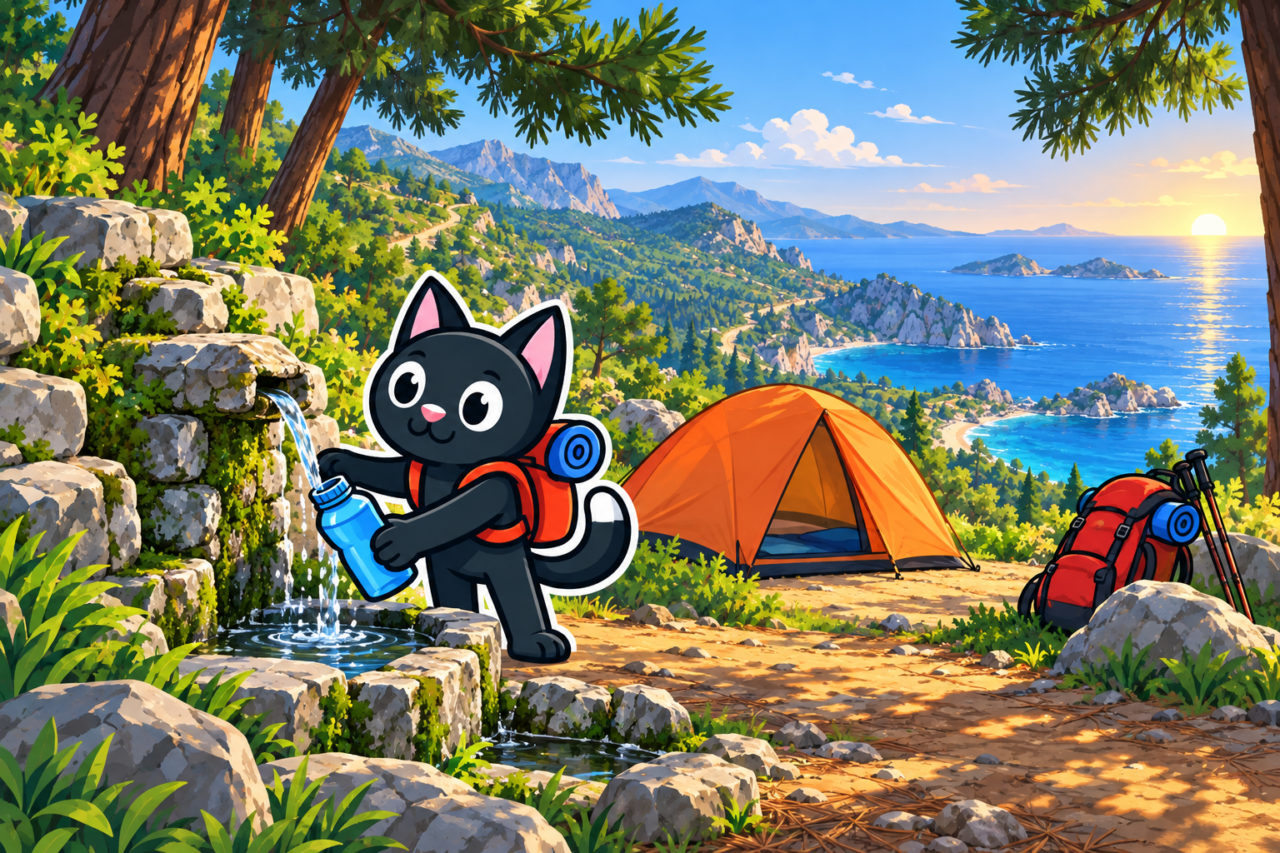
You may find water in villages, at mosques, cafés, cemeteries, public fountains, and natural springs. A marker on the map does not confirm that you can fill a container there. A spring may dry up, a tap may be turned off, and the quality of water in a cistern may be questionable. If you discover an empty source in the evening, you will have to reach the next village using your own reserve. Before each stage, ask your host or local residents about the next reliable place to refill.

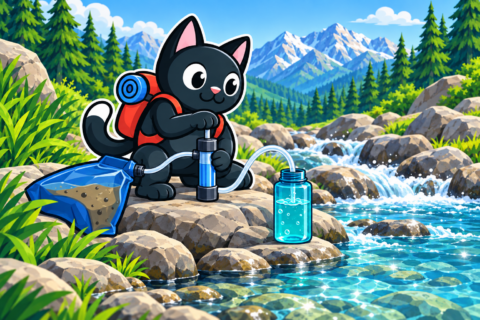
Filter or disinfect water from natural sources. Even a clear spring may be contaminated by animals farther uphill. Brackish water near the coast is unsuitable for drinking. If the next marked source is beside the sea, do not include it in your drinking-water calculation until you verify it.
How Much to Carry
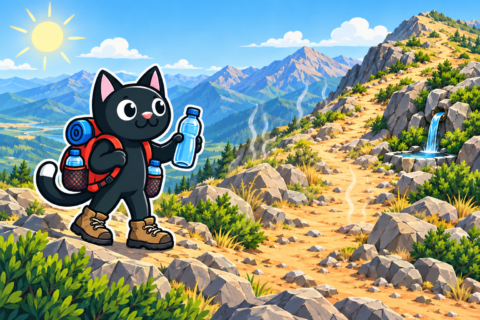
Water consumption depends on temperature, elevation gain, backpack weight, and the individual. You will use your supply more quickly on a hot, exposed climb than on a cool road. Calculate enough to reach the next confirmed source and add a reserve for delays. Check the amount remaining as you walk, especially if the climb took longer than expected. Electrolytes can help with heavy sweating, but they do not replace water and regular food.

Guesthouses and Village Homes
Sleeping under a roof lightens your backpack and helps you replenish supplies. Advance booking is especially useful in small settlements and during holidays, when no rooms may remain by evening. Ask whether dinner is included, whether an early breakfast is available, and whether food can be packed for the next stage. Cash may still be the only form of payment. The answer about an early breakfast will tell you whether to prepare food before leaving the settlement.
Camping
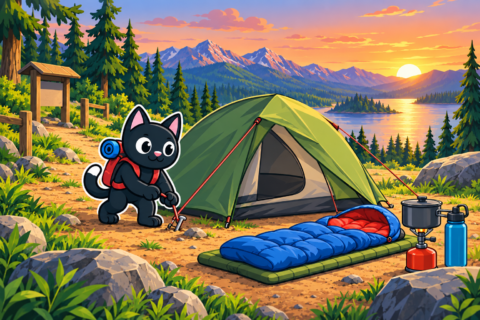
Official campgrounds provide access to water and sanitary facilities. Rules for wild camping depend on the status of the area and seasonal decisions. Even a convenient site by the shore may lie within an area with special rules. Fire-risk restrictions may apply in forests, while archaeological sites, turtle beaches, and private land have their own regulations. Check current requirements with local authorities and landowners.
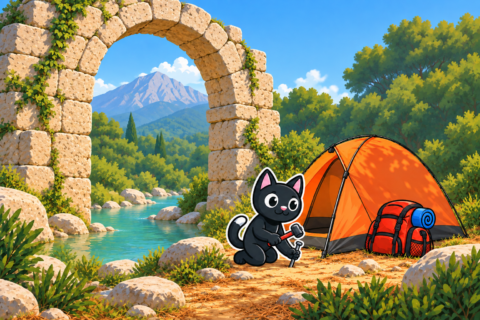

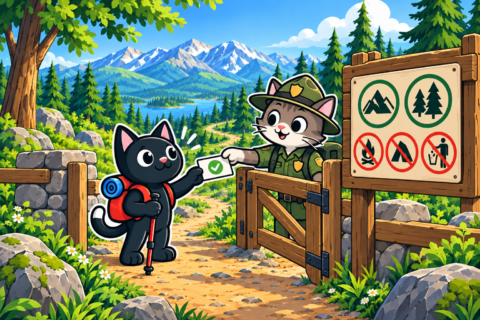
If camping is allowed, choose stable ground that hikers have already used, away from dry riverbeds and cliff edges. Daylight makes it easier to assess a site on a rocky shore. Do not light a fire. Carry all waste, including food scraps and paper, to a suitable bin. There may be no bin near a campsite on an empty shore, so find out where to dispose of waste in advance.

A Daily Routine
- in the evening, confirm your accommodation and the water situation on the next section, so you do not have to search for a closed guesthouse after dark;
- in the morning, fill every container before leaving the settlement, as there may be nowhere to refill before the next source;
- at midday, compare your consumption with the remaining distance;
- have an alternative stopping point before dark, since finding level ground on a rocky coast takes time;
- do not rely on one phone; save addresses and numbers separately, so the contacts remain available if the battery dies.

Hygiene at Water Sources
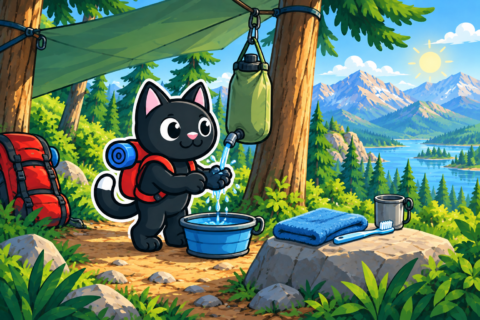
Do not wash dishes, clothes, or yourself directly in a spring or fountain. The next traveler to stop there needs clean water from the same source. Collect water in a separate container and move far enough away, using the smallest possible amount of biodegradable soap where it is permitted. Do not bathe in reservoirs intended for a village or livestock. People and animals need that water after you leave.
If the water smells, is discolored, has an oily film, or shows signs of chemical contamination, a filter may not help. Skip that source and use your reserve even if the next refill point is still some distance away. Watch for dehydration if you develop an upset stomach. Seek medical help for severe symptoms.
It is useful to divide your containers between the working supply and an untouched reserve. A soft flask takes up less room when empty, while a rigid bottle withstands sharp rock better. Label a container if it holds electrolytes or its treatment is not yet complete. Fatigue after a hot stage makes it harder to remember which water is ready to drink. A simple mark prevents confusion.
When water and accommodation are arranged in advance, you can spend the evening listening to the wind in the pines. The morning begins without an anxious count of the last few sips. Your attention remains on the path and the things you encounter along it.


