A checklist helps assemble an overnight hiking kit and verify the main equipment systems. Adapt it to the route, weather, and local rules.
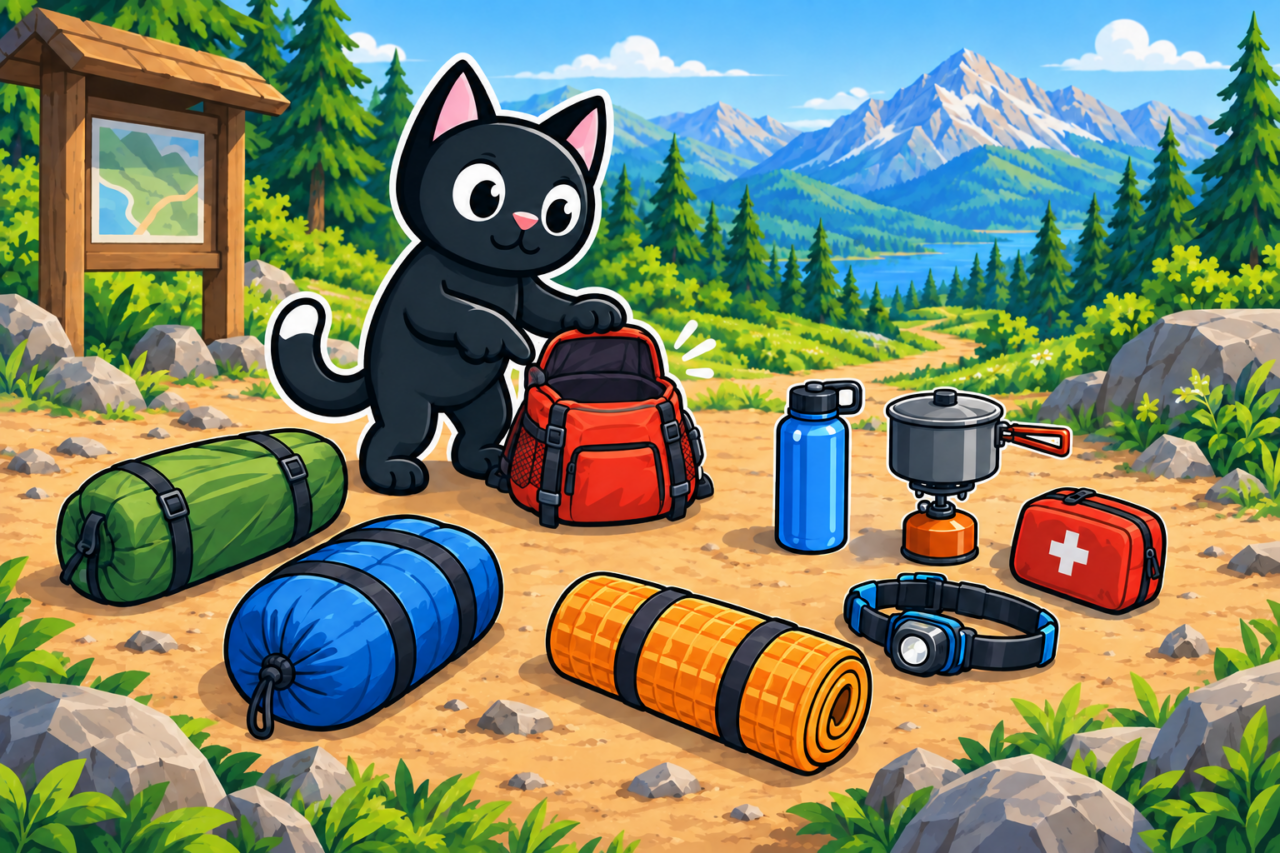
Personal equipment
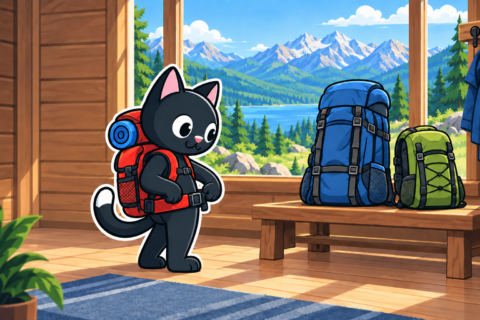
- A backpack that fits your torso length and required volume; try it with the full starting load.
- A sleeping bag with a comfort-rating margin for the coldest expected night.
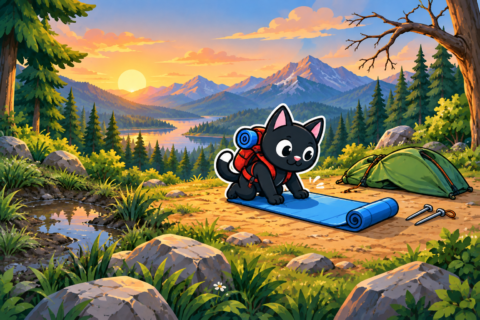
- A sleeping pad with insulation suited to the season and campsite conditions.
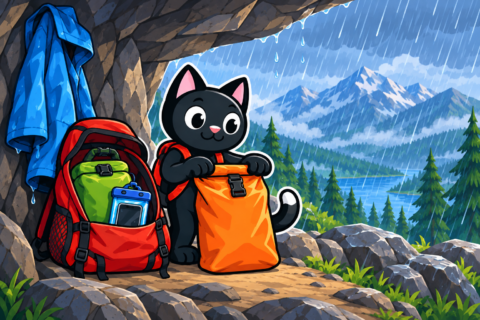
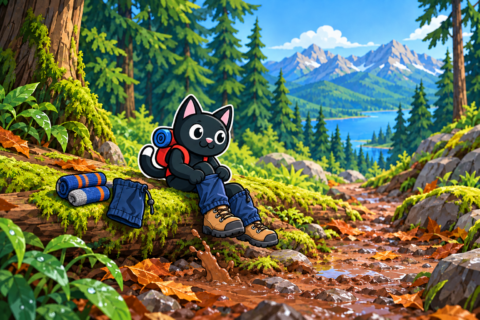
- Waterproof bags for the sleeping bag, dry clothes, and electronics; check their closures.
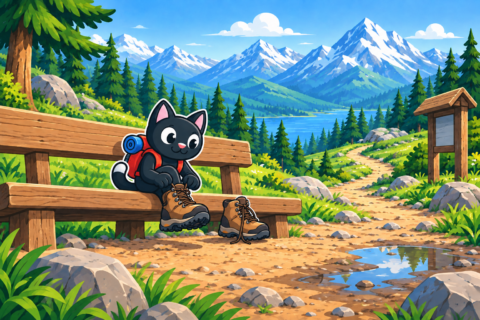
- Tested hiking footwear that you have already worn while carrying a backpack.
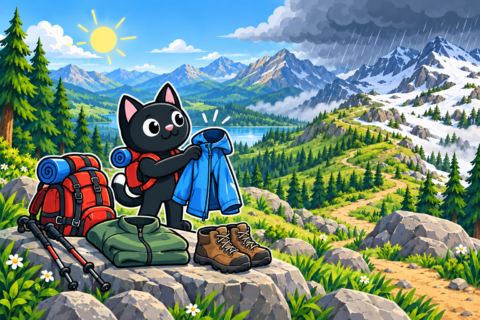
- Trail clothing, insulation, and weather protection for the route forecast.
- A dry sleeping set, spare socks, and underwear in separate protected packaging.
- Weather-appropriate headwear, gloves, and sun protection for each day.
- A headlamp with spare power; test the light before packing.
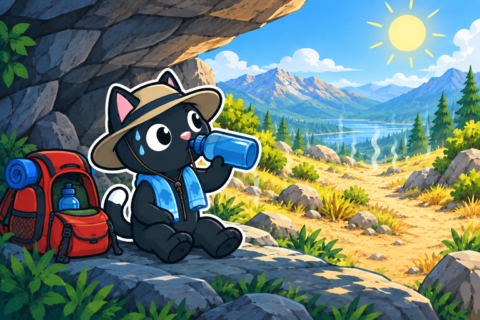
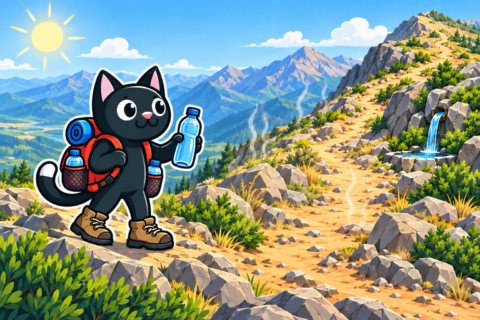
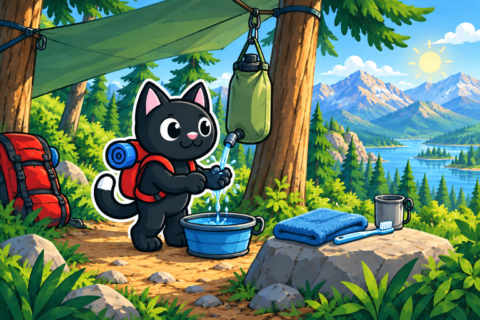
- Bottles or flasks with enough capacity for starting water and subsequent sections.
- A mug, spoon, and bowl appropriate to the menu, including planned hot meals.
- Hygiene products, personal medication, and insect protection; check the personal kit separately.


Route and communication
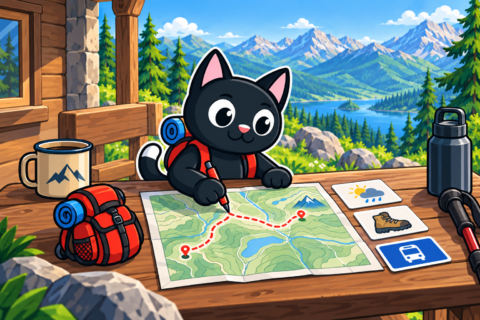
- A phone with a downloaded offline map and track that open in airplane mode.
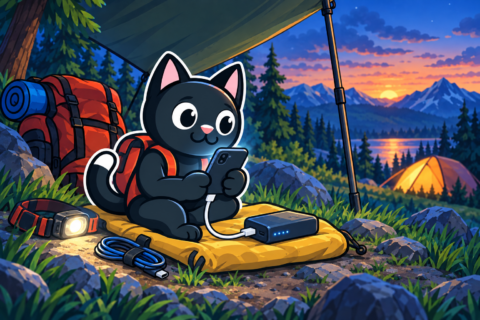
- A charged power bank and tested cable compatible with the phone.
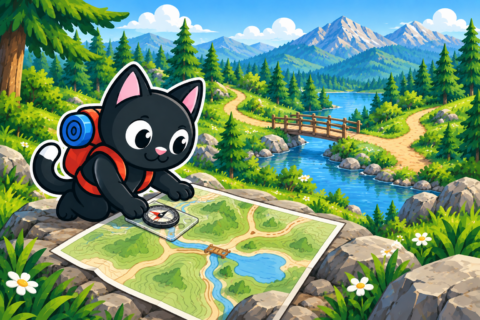
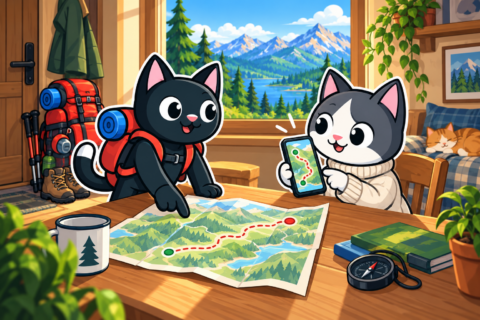
- A paper map and compass where justified, provided you know how to use them.
- Emergency contacts, start coordinates, and exit options in case the plan changes.
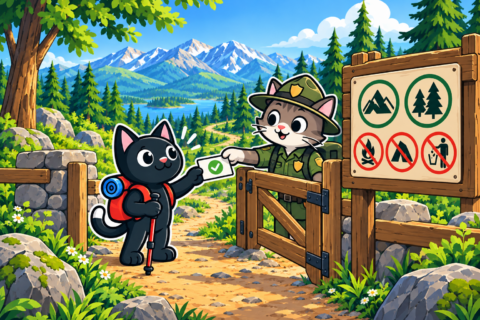
- Documents, tickets, passes, and permits available without a connection.
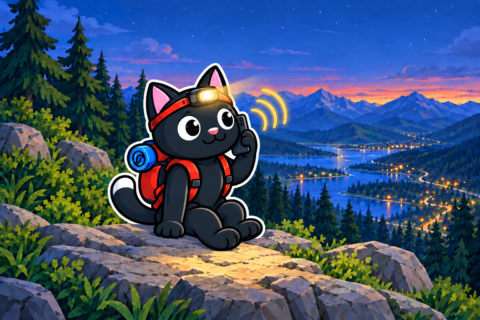
- Communication that works beyond mobile coverage when the remoteness requires it.

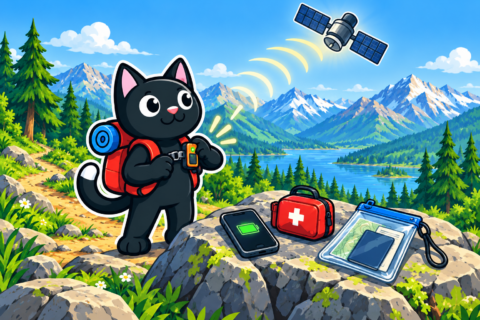
Open the maps and documents in airplane mode. Give a trusted contact the route, group composition, and the time after which they should raise the alarm. Save tickets and permits in an accessible form as well. The airplane-mode test shows exactly what remains available offline.
Group equipment
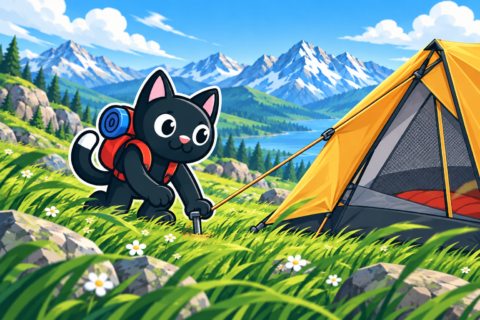
- A tent with fly, poles, stakes, and guylines; count the parts before dividing the load.
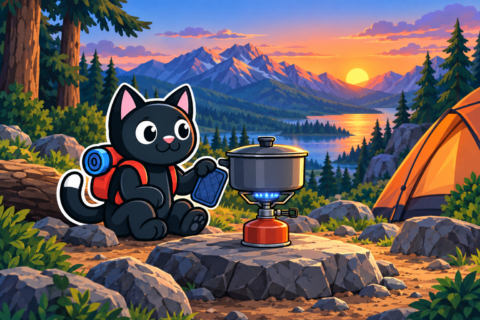
- A stove, compatible fuel, and a safe ignition method, all tested before departure.
- A pot of suitable capacity and utensils for preparing the group’s planned meals.
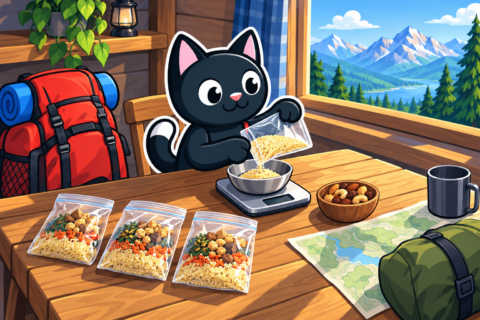
- Food according to the menu, snacks, and a delay reserve for every participant.
- A water-treatment system chosen for the local sources in the plan.
- A group first aid kit and the knowledge to use it; everyone knows who carries it.
- A repair kit for the tent, sleeping pad, and other shared equipment.
- Bags for rubbish and for keeping wet items away from clean cookware.
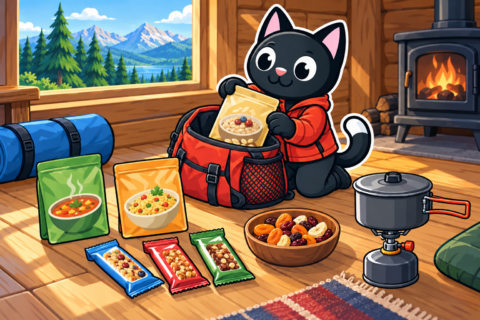

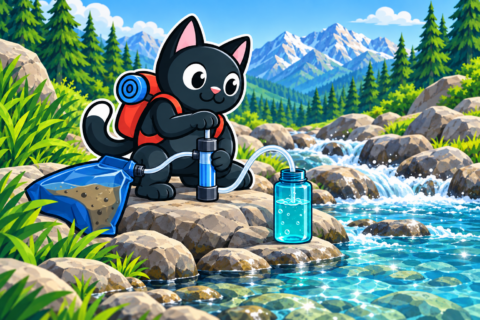
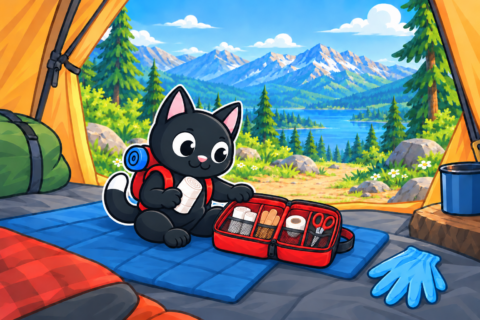
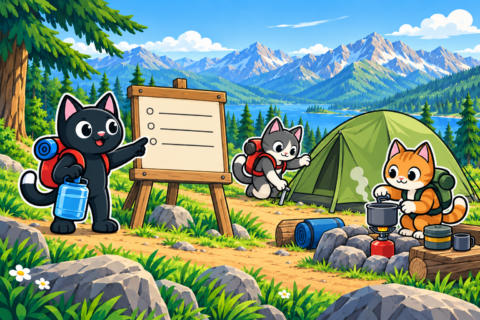
Write the responsible person’s name beside every shared item. Divide weight according to participants’ abilities and their personal loads. If the tent poles are with someone else, the list helps locate them before departure. Check shared equipment together.
Add items for the conditions
- Sun and altitude: sunglasses, sunscreen, and lightweight covering clothing.
- A wet or snowy trail: gaiters suited to the expected conditions.
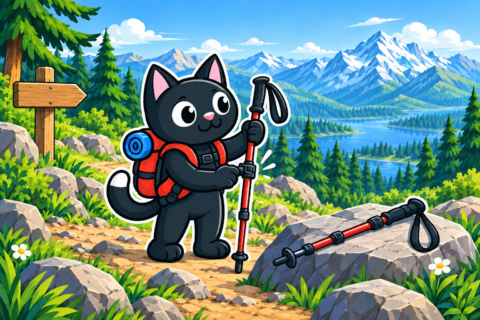
- Long descents: trekking poles tested beforehand on similar terrain.
- Poor coverage: a satellite device with an active subscription for a remote route.
- Difficult water: a backup treatment method in case the primary one fails, tested before departure.


Final check
- Lay out the full kit and check each item one by one.
- Test the stove outdoors, the headlamp, the pad valve, and device charge.
- Count the tent components and repair parts.
- Compare food and fuel with the menu.
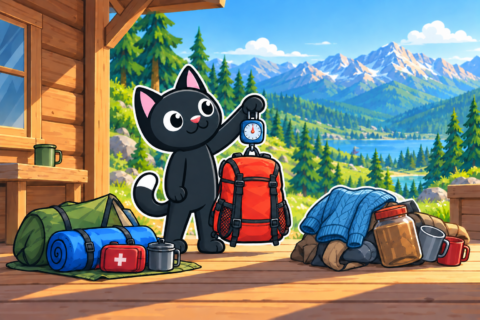
- Fill the starting water and weigh the complete backpack.
- Remove duplicate shared equipment.
- Place near the top rainwear, insulation, navigation, and snacks.
- Walk with the backpack already loaded with starting food and water, then adjust the packing.
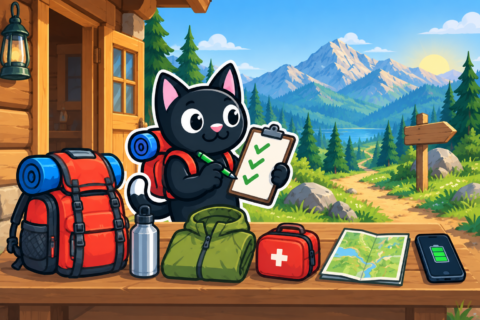
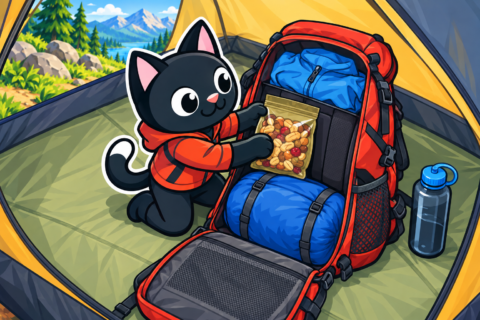

Important: a checklist supports memory; the route determines the decisions. If the load is excessive or protection does not suit the forecast, revise the plan before departure. Good preparation ends with clarity: every item has a place, an owner, and a clear task. Finish comparing the list with the forecast before traveling so the group retains time to change the route or kit.
Review the plan with the group
Hold a short check the day before. Each responsible person shows the shared item and confirms that it works. If anything is missing, the evening remains available to find a replacement. Discuss the meeting place, start time, forecast, communications, and actions after a delay. The home contact receives the route and expected return time.
Check weather changes and local restrictions in the morning. If conditions exceed the preparation, choose a shorter option or postpone the trip. A checklist works best when paired with a willingness to change the decision. If necessary protection remains at home, a short option may be wiser than a long crossing. Discuss the change with the group before starting.
Save the list after returning and add two columns: “used” and “change.” This short review turns a generic checklist into a personal working tool that improves with every route. After a rainy outing, note which packaging actually kept equipment dry and retain that detail in the next personal list.