Well-chosen rest points help maintain pace and monitor the group. This guide explains where and how to plan breaks.
Base them on the route
Mark possible rests during preparation: after a long climb, before a difficult section, near water, and on a safe open area. Spacing depends on terrain, weather, and the group. Children and beginners generally need more frequent short pauses, while experienced hikers on level ground travel longer. The section after a climb needs its own assessment even when short.
Planned points are guides that change with participants’ condition. Stop earlier at a suitable place if someone is tired, cold, or in pain. Continuing to the scheduled location can worsen their condition; tie rest to the group’s present need.
Choose a safe site
Select a safe place for everyone while leaving passage for others. Avoid narrow bends, roads, cliff edges, and channels that can fill with water. In forest, inspect dead branches and damaged trees overhead.
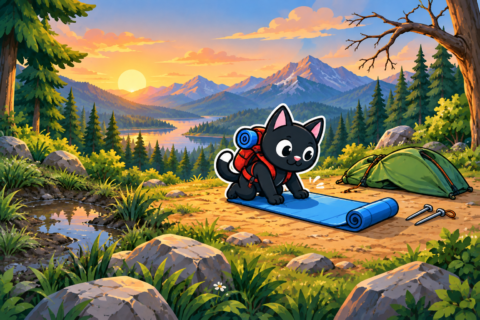
In heat, choose shade with airflow; in cold, seek shelter from wind and a dry surface. A viewpoint may be pleasant but an exposed summit is poor for a long stop. Beside water, stay away from slippery banks and leave access clear for others.

Separate short and long stops
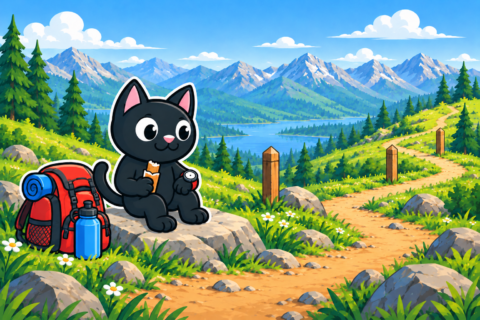
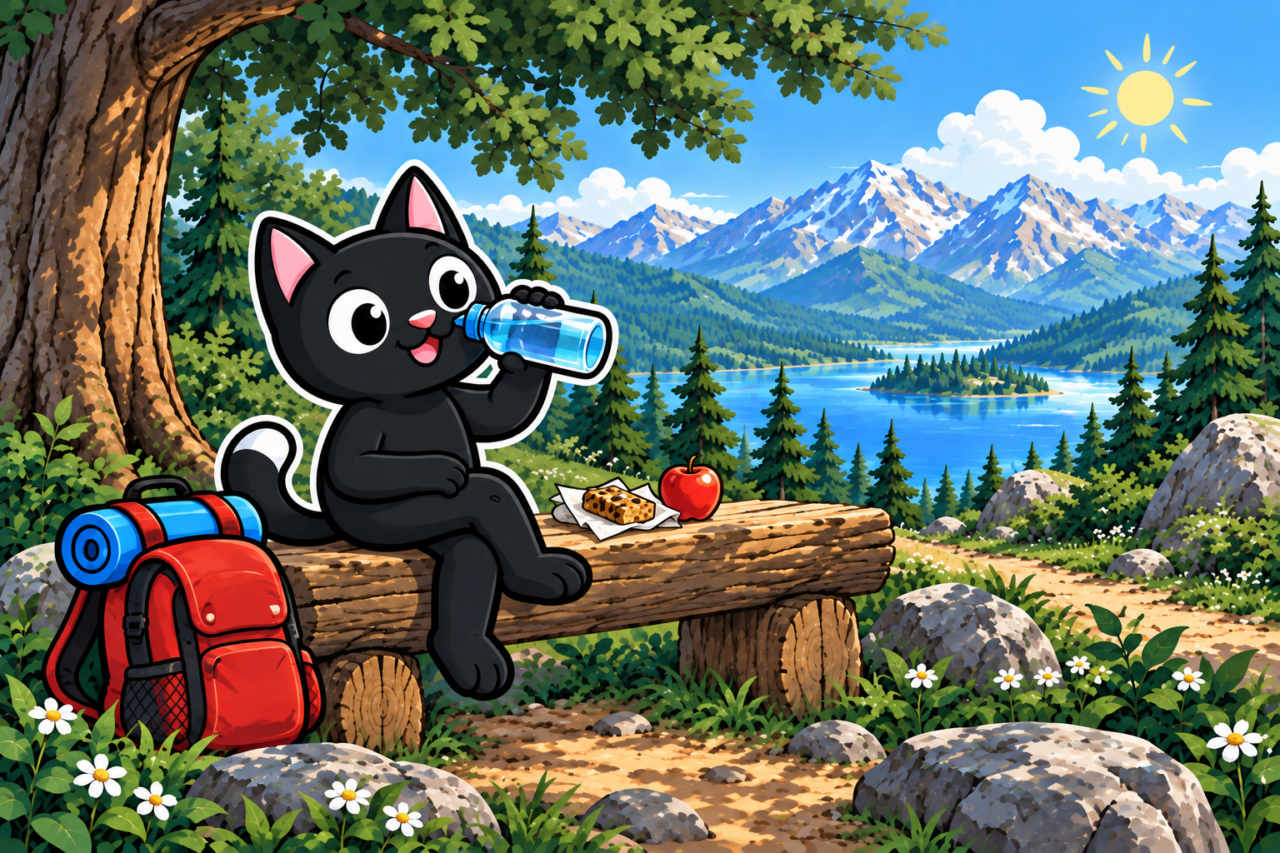
- A short pause lasts several minutes: adjust a backpack, drink, and check the map.
- A snack stop needs a place where food is quickly accessible.
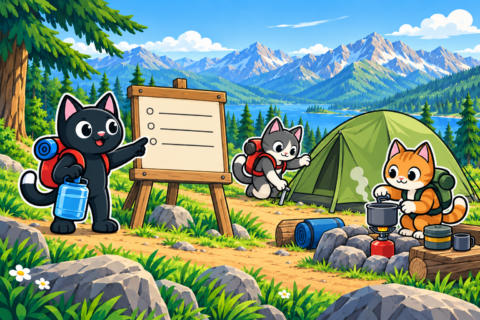
- A long break allows hot food, drying clothing, and inspecting equipment.

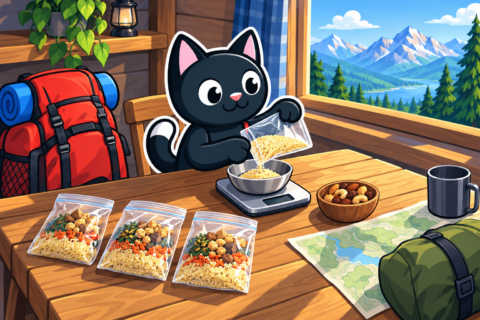
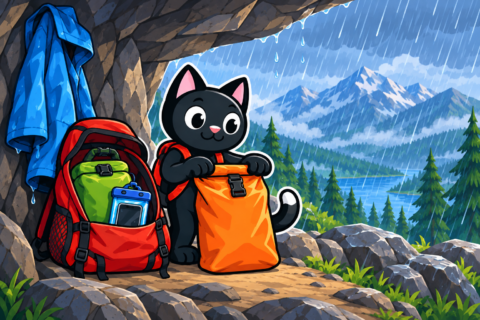
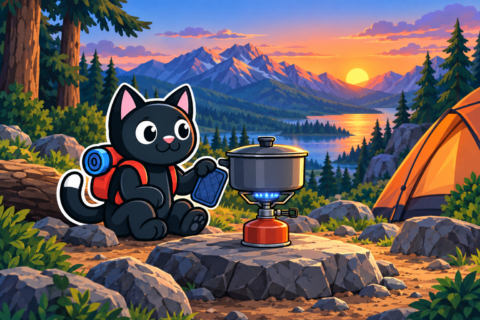
Add a warm layer before a long stop while the body retains heat. Announce the departure time so participants can plan eating and packing. Warn everyone several minutes before leaving. Place a stove on a stable nonflammable surface and follow fire rules; a hot meal requires a suitable site.
Account for water and food
A nearby source saves time only when current information confirms it. Select treatment in advance and allow time, especially for a large group. One person may finish filling while others still treat their portions. Seasonal streams can dry, so carry enough to reach the next reliable point without depending on them.
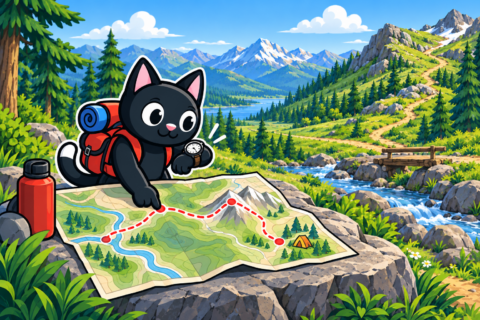
Keep snacks accessible for a short pause. Searching at the bottom of a pack extends the stop while others wait. In cold weather, choose food that remains soft and opens in gloves so preparation does not consume the rest.
Watch the time
Include full break duration: four fifteen-minute stops add an hour. Large groups take longer to restart because people finish at different times. One person announces departure while the coordinator recalculates after delays.
Before leaving, inspect the site for packaging, crumbs, and small items. Something may remain beneath a removed backpack. Confirm the stove is off and restore moved natural objects. A good stop leaves only briefly flattened grass.
Afterward, compare planned and actual stops. If the group regularly rested earlier, review the pace and section length. If water or food prolonged pauses, change packing and task distribution. Understanding delays makes the next day feel more natural and reduces clock-watching.