Hiking knowledge, organized
Where to begin, how to prepare, what to pack, and where to go.
Beginners Essentials, preparation, and practical guidance for your first hikes. 11 articles
Getting Started
First decisions: understand hiking, choose your company, and complete your first route step by step.
Preparation
Choosing a suitable route, training, clothing, gear, and the final check before departure.
On the Trail
Trail etiquette, turn-back decisions, and lessons from common mistakes.


Hikes Hike formats, route planning, and trip organization. 25 articles

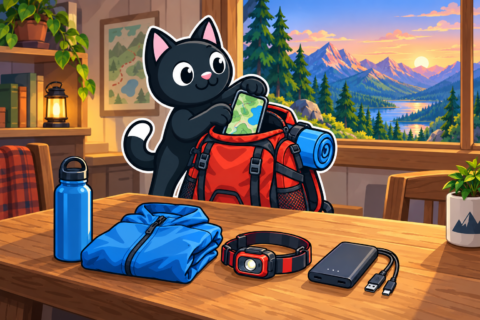
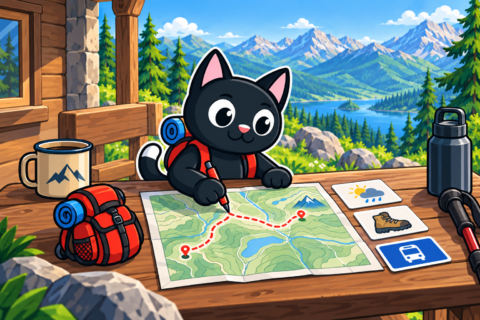
Gear Clothing, backpacks, camp equipment, food, water, and electronics. 20 articles
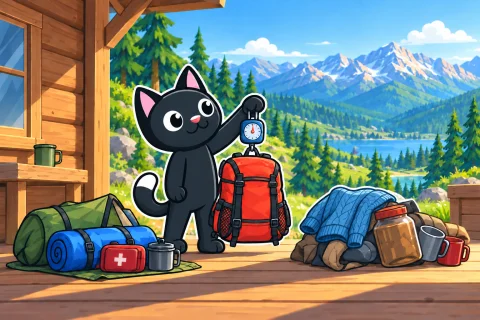
Clothing and Footwear
Choosing clothing and footwear for different trail conditions.
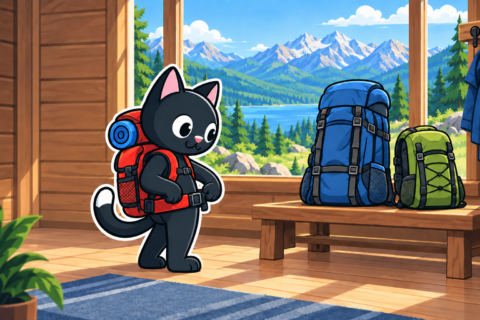
Backpack and Packing
Choosing a backpack, packing it, and managing pack weight.
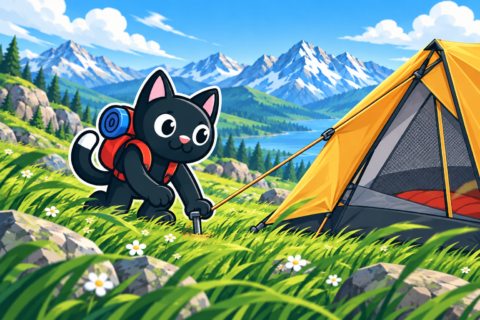
Camp and Overnight Gear
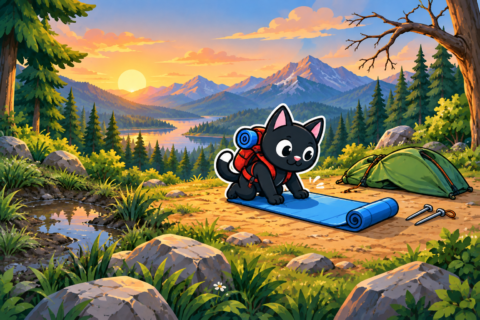
Tents, sleeping systems, and cooking equipment.
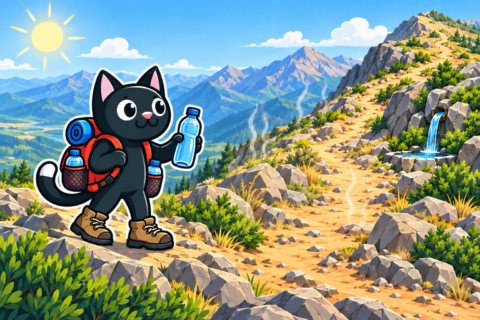
Food and Water
Food planning, trail menus, and water preparation.
Electronics
Phones, offline maps, navigation devices, and communications.
Skills Navigation, safety, first aid, and responsible outdoor practice. 19 articles
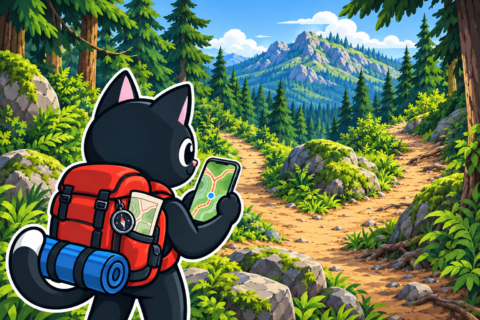
Navigation
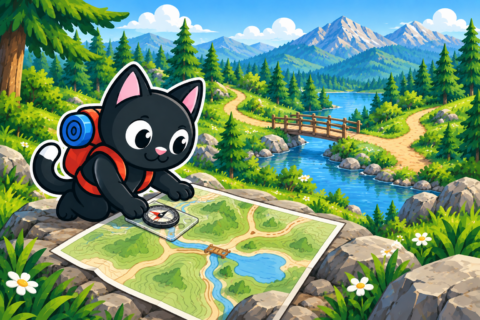
Maps, compasses, and what to do after losing the route.
Safety
Weather, risk assessment, and emergency response.
First Aid
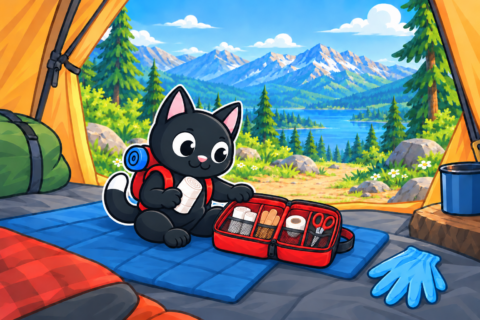
First aid kits and basic care for problems on the trail.
Movement Technique
Safe movement on climbs, descents, and difficult terrain.
Camp and Nature
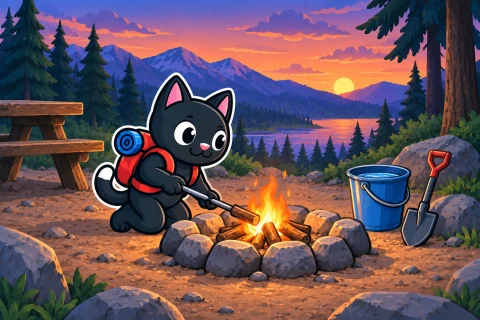
Camp craft and responsible treatment of nature.


Places Routes and destinations around Antalya, the Lycian Way, and nearby regions. 21 articles

Antalya
Routes, canyons, and historic places around Antalya.
Lycian Way
Lycian Way sections, logistics, water, overnight stays, and routes for different experience levels.
Kemer and Olympos
Routes around Kemer, Olympos, Çıralı, and Mount Tahtalı.
Kaş and Western Antalya
Routes around Kaş, Kalkan, Patara, and Saklıkent.




Preparing for Your First Hike
Where to begin. If this is your first outing, learn what hiking is, then choose a route that suits your ability.
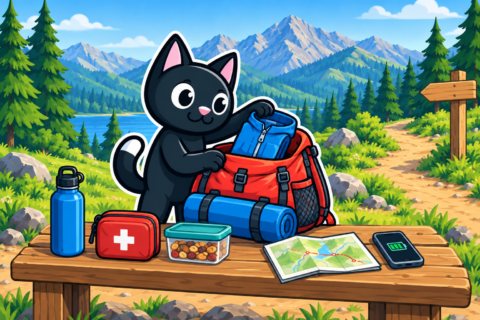
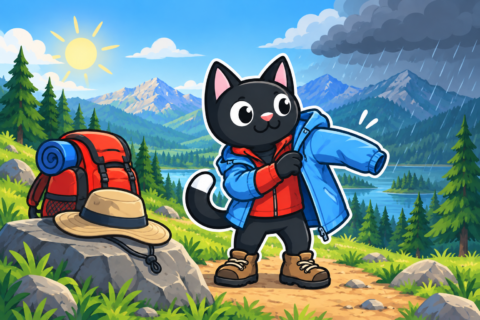
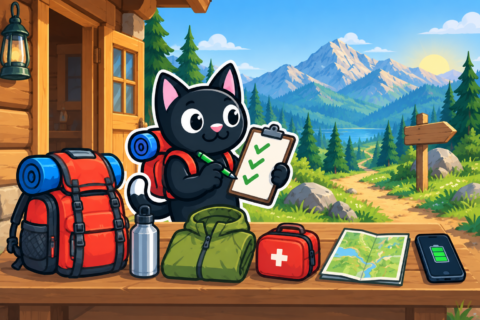
How to get ready. Check what to bring, choose clothes for the weather, and run through a short checklist before leaving.
On the trail. Keep a comfortable pace with breaks, follow hiking etiquette, and decide in advance when it is better to turn back.