A steady pace and timely breaks help a group preserve energy throughout the day. This guide explains how to organize movement and rest.

Start slower than expected
Use the first twenty minutes to warm up and check equipment. Short steps engage the muscles and calm breathing establishes a comfortable rhythm. After warming up, adjust straps, lacing, and layers once sensations under load are clearer. A start that is too fast consumes energy needed at altitude or on the return.

The person currently finding the route hardest sets the group’s pace, within safety constraints. The leader can place them near the front so others follow a steady rhythm. Constantly catching companions under pressure increases fatigue and can hide declining condition. Arrange the group so this person remains visible. The leader can then notice when their normal stride shortens.
Use the talk test
On moderate ground, a participant should be able to speak a short sentence without marked breathlessness. When the trail climbs steeply, shorten the stride and maintain continuous movement. Frequent forced stops indicate that the starting pace was too high. Slowing down is more useful than accelerating again after every pause.
Altitude, heat, cold, a heavy backpack, poor sleep, and illness can change a person’s normal speed. Compare their condition with their usual baseline; yesterday’s pace may be difficult today. Fitness-app figures are secondary to wellbeing. Increasing weakness, dizziness, confusion, or loss of coordination requires a stop and assessment.

Take purposeful breaks
Short regular pauses are generally better than rare stops after exhaustion. Set frequency by weather, terrain, and the group. Before packs go back on, use the break to:

- move off the trail onto a stable area;
- add a warm layer before shivering;
- check water, snacks, feet, and participants’ condition;
- compare the map, time, and forecast;
- agree on the next regrouping point.







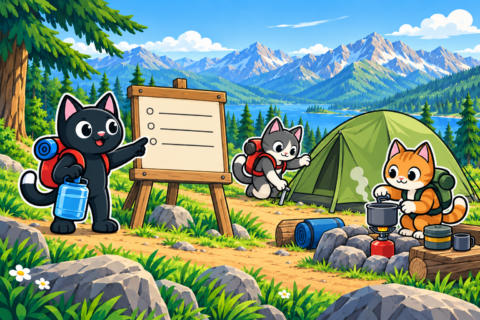
In cold and wind, a break may last only minutes to prevent cooling. On a hot day, the group needs longer shade to cool down. Place backpacks where they cannot roll or block others. The site should allow a calm check before the next section. When the break ends, everyone should know the next meeting point.
Do not stretch out the group
At a junction, the first participant waits for the last before moving on. Nobody turns until the next person sees the direction, or they may pass the required trail. In fog, forest, and twilight, shorten spacing to reliable visual or voice contact. Voices reveal a stop when those ahead disappear from view.
Separate only under a prepared plan in which every subgroup has navigation, communications, first aid, necessary equipment, and a responsible person. These resources must remain with those who need them. Sending faster people ahead spontaneously can leave help and equipment far away. Agree on each subgroup and route before separating.
Account for the whole day
Include climbs, descents, breaks, water collection, and possible delays. The same distance takes far longer on difficult ground than on a road. Set checkpoints and a turnaround time to compare the plan with actual movement. If the group falls behind, shorten the route before darkness. This choice is easier at a checkpoint while the remaining time is clear.

Keep energy for the final hour, when attention often declines. A familiar trail may become slick and every step demand more precision. A final push rarely offsets accumulated fatigue. A calm pace allows you to confirm on return that everyone and everything is present.
Record the actual pace
After the hike, note start, key-point, turnaround, and return times. Add weather, trail condition, and break duration so the numbers retain context. Several records provide a realistic basis for future plans. Someone else’s standard can guide you, but your own data describes the group more accurately.

The records support daylight, water, and delay calculations, not competition. A slow day after illness or in heat primarily describes the conditions and says nothing about character. Account for this variability in the next plan.
Over time, notes reveal a comfortable section length, lunch time, and the first recurring signs of fatigue. If the signal returns on another route, the group can adjust early. Lunch, for example, can be timed before the point at which everyone usually begins to tire.