Water crossings and difficult terrain require a fresh assessment before every move. This guide explains how to choose a safe option and when to turn back.
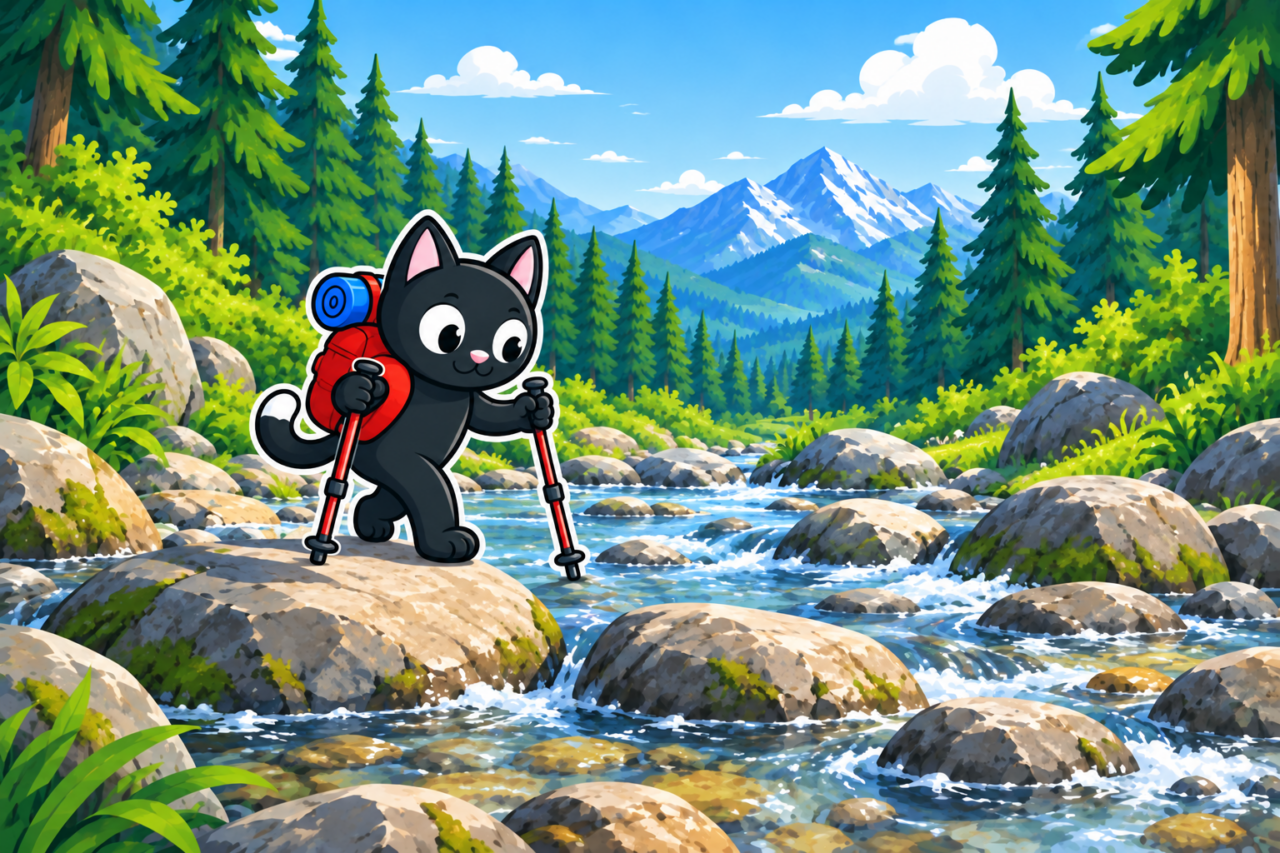
The decision begins on the bank
Before entering, pause on the bank and examine current speed, depth, water color, and the riverbed. Assess the exit opposite and the area downstream, where a person will be carried after losing balance. Floating branches, rumbling stones, and turbid water reveal the current’s force before crossing. If the level is rising, wait somewhere safe or change the route.
While the whole group remains on the bank, ask the questions below. They assess the crossing and what follows, particularly if you must return that evening. Conditions differ for each participant, so discuss them together:

- is there a bridge or detour;
- will the same evening return be possible;
- what lies downstream—a calm pool, rapids, waterfall, or debris;
- can every participant cross independently;
- what happens if someone loses balance.
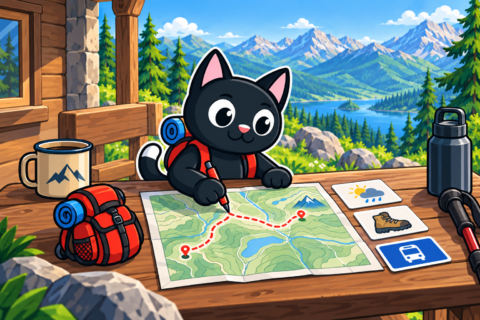

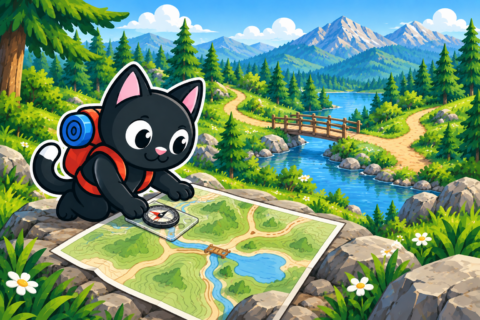
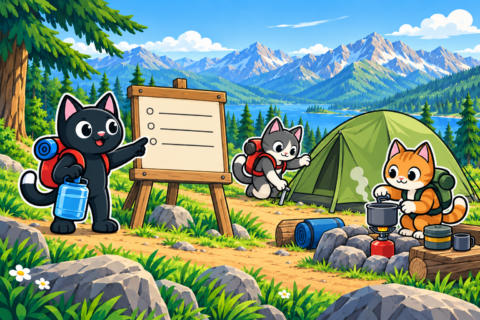

If a fall could have serious consequences, do not cross. A nearby goal, schedule, or booking does not weaken the current. Preserve the ability to return or choose another route while the group remains on the safe bank.

Choose a suitable location
Look for a wide, straight section with accessible entry and exit; the flow is generally shallower and calmer there. Before approaching, trace the selected line onto the opposite bank. Avoid places above rapids, waterfalls, fallen trees, and narrow canyons because of the consequences of a fall. The outside of a bend can hide a deep hole even when the crossing looks convenient from your bank.
Do not jump across wet stones when an error leads into fast water. A log without a handrail also demands caution because it may be slippery, rotten, or fail midway. Ice over water should be assessed only with specialist skills; its visible surface does not prove safety. If doubt remains, find another route.
Wading requires separate preparation
Even shallow water can sweep someone off their feet, so visible depth alone does not decide. There is no universal safe speed or level: risk depends on current, bed, temperature, and downstream hazards. Account for every participant’s ability because the same ford affects people differently. When uncertain, choose a bridge, official detour, safe wait, or turnaround.

Learn planned wading techniques from a qualified instructor in controlled conditions. The method determines how footwear, poles, backpack straps, and safety equipment are used. Familiar equipment behaves differently in a real current when used without the appropriate method. Do not improvise with rope; an incorrect system can turn moving water into a trap.
A route description refers to the conditions in which the ford was assessed. Reassess after rain or rising water even if the crossing was planned. The strongest participant reaching the far bank does not establish safety for everyone. The decision must include the person who will find the current most difficult.

Scree, snowfields, and damaged trail
On scree, leave spacing so a dislodged stone does not hit the person below. Place a foot on a stable surface before transferring weight and move out of rockfall lines. If a stone moves, shout a warning so those below can react. Do not try to catch it with your hands.
A snow slope changes through the day, making a morning impression irrelevant later. Hard snow may require specialist equipment and self-arrest skills. As it softens, hidden holes and streams can open below the surface. Without suitable preparation and equipment, choose a detour while the return remains available.
Before a damaged section of trail, inspect the entire slope and the exit beyond the obstacle. A detour above or below may lead onto more dangerous terrain even when its first steps look simple. If no safe line is visible, return to the last reliable point. Contact those responsible for the trail or rescuers from there instead of searching farther on a doubtful slope.

After the obstacle
Once across, check every participant and pay particular attention to anyone who became wet. Change wet socks and add insulation so the next section does not begin with cooling. Mark the obstacle on the map and report dangerous damage on an official trail to the relevant authority. Reassess the remaining plan, time spent, and whether this place can be crossed on the return.

Train in controlled conditions
Learn pole use, scree movement, and ford assessment from a qualified instructor where a mistake will not have severe consequences. Training clarifies the limits of equipment and personal skills. On a route, this boundary helps you choose a detour or turnaround when unfamiliar ground appears. Rope, crampons, and an ice axe help only someone trained to use them who understands the risks of the particular terrain.