Encounters with wild animals require calm, distance, and knowledge of local rules. This guide covers basic preparation and safe behavior.
Do not attract animals to camp
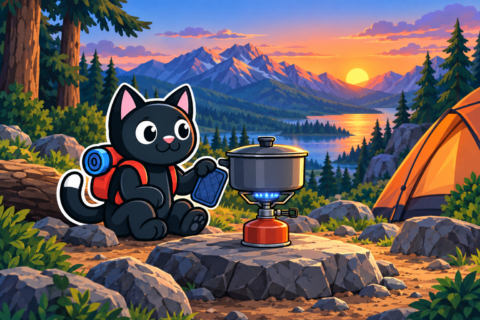
Food odors travel beyond camp even when products seem securely closed. Store food, rubbish, pet food, cookware, and scented cosmetics as the park administration requires. One area may demand a certified container, while another provides a locker or hanging system. A homemade tree hang may not meet local rules or suit local animals. Learning the required method beforehand helps avoid attracting wildlife to camp.
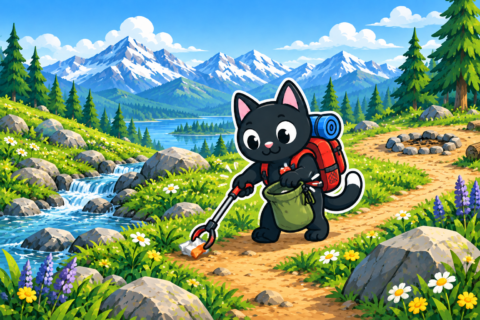
Cook on stable ground, collect crumbs after eating, and pack waste immediately. Carry out food scraps, peels, and tea bags; their scent remains after you leave. If local rules require separate storage, food does not belong in the tent. An animal that repeatedly finds food near people becomes more persistent and is itself placed at risk. A clean camp reduces the chance of such an encounter for the next group.

Give the animal space
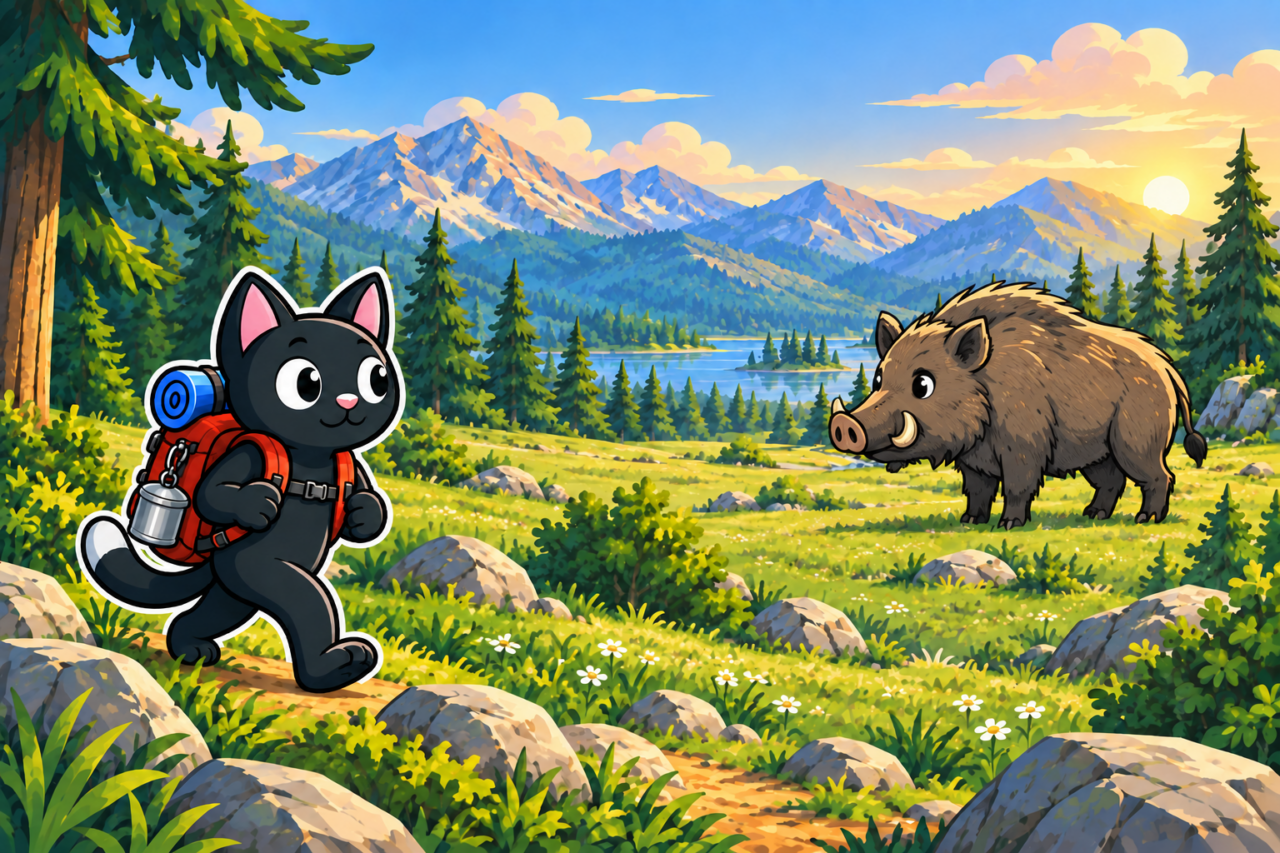
If you see an animal, stop and assess the distance while leaving a clear escape route. Do not approach for a photograph, surround it, or block that route: a calm encounter can change quickly. A young animal may appear alone while an adult remains nearby. Leave it where it is and report injury or unusual behavior to park staff. This gives them the information needed to assess the situation without further approach.
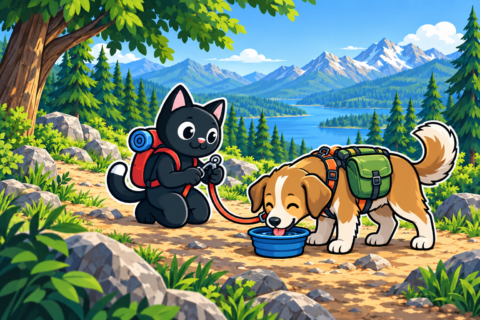
Follow park rules for dogs, which usually require a short leash. A loose pet can trigger a chase and bring an agitated animal back to its owner. You may not see wildlife behind a bush before the dog runs toward it. Keep children close and the group compact where visibility is limited. Participants will notice events sooner and remain together if an animal suddenly crosses the route.


How to handle a close encounter
There is no single procedure for every wild species: bears, boars, moose, large cats, and snakes require different actions. Study official guidance for the specific region before the hike. When an animal appears unexpectedly, a generic rule may be inadequate. While assessing the situation, these principles help avoid making it worse:
- remain calm and avoid sudden movements;
- stop and leave the animal a clear route away;
- increase distance only as local authorities recommend for that species;
- do not feed it or throw food as a distraction;
- warn people approaching the area and notify rangers.
Freezing, flattened ears, stamping, snorting, showing teeth, or approaching may indicate that the animal is reacting to you. The change suggests too little space remains. If it stops and turns toward the group, do not assume the previous distance is adequate merely because nobody moved closer. The correct next action depends on the species and circumstances, so follow regional guidance. Contact rangers or emergency services when possible to report the situation and obtain help.


Snakes, insects, and small animals
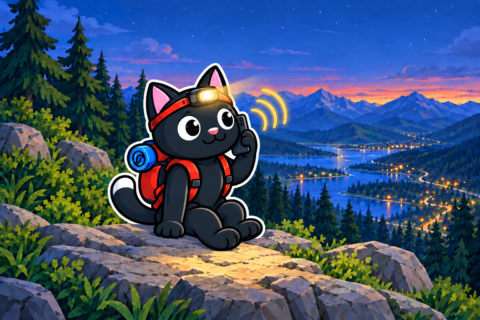
Among rocks, in tall grass, and beside fallen trees, watch where you place hands and feet. Do not reach into a hidden gap whose occupant you will notice too late. Keep the tent closed at camp and inspect footwear before putting it on in the morning. Follow instructions for repellents and protective clothing. These simple habits are especially useful after a night among grass and stones.
After a snakebite, move away and remember the snake’s appearance from a safe distance, then contact emergency services urgently. Keep the casualty still and remove rings and other tight items from the affected limb. Do not try to catch the snake for identification, creating a risk of another bite. Do not cut the wound, suck out venom, or apply an improvised tourniquet. Monitor the person’s condition while help arrives and report the circumstances.
After an incident
A bite, scratch, contact with the saliva of a wild mammal, or severe allergic reaction requires medical assessment. Even after the encounter ends, rinse the injury with clean water and control bleeding. Call for help for serious symptoms instead of delaying to continue the route. Record the time, place, and circumstances while details are fresh, then give this information to medical and park staff.

The main rule: observe wildlife from a distance and leave it space. People are guests in the forest, and respectful distance lets both sides separate calmly. Even when an animal seems still and easy to photograph, approaching changes the encounter. Keeping your distance reduces the chance that it will react to your presence.
After a close encounter, record the place and time without following the animal for more details. Alert staff if it remained persistently near people, carried a tag, looked ill, or guarded a carcass. The next group may approach the same section without knowing. Precise, calm information helps rangers protect visitors and decide whether access should be restricted. Report only what you observed so the description remains useful.