Routes to lakes and waterfalls vary in access difficulty and seasonal conditions. Here is how to choose a trail and visit natural features safely.


Find out what you will see
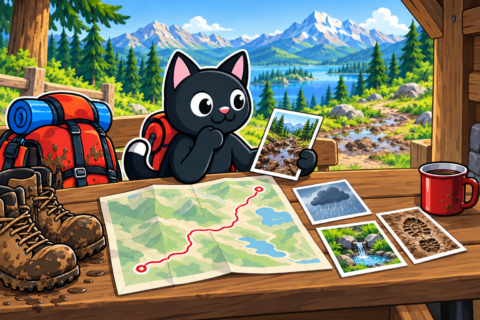
Compare several dated photographs. A waterfall may look completely different after rain and in the dry season. A lake’s level, shoreline, and approaches also change. Spring images give an impression, but compare autumn expectations with newer pictures. A different water level may alter the normal access.
Seek current information both on the area’s official page and in visitor reports. The first gives restrictions; the second describes the trail surface. Check each date against your season so an old open route does not define today’s plan. Keep access permission separate from trail condition.
- use the official page for restrictions and closures;
- use trip reports for trail conditions.

When sources disagree on rules, follow the current authority notice. A report describing free access may predate a closure. Save the official response and its date for the group so everyone knows at the trailhead whether the selected way is allowed.


Where does the trail end?
Check whether the trail leads to a viewing platform, the top of the waterfall, or the shore. A place name on a map does not explain the side of approach, and a point across a gorge may require another road. Confirm the side when selecting the track because the top and shore involve different final sections.
Use photographs to assess railings, boardwalks, and trail width. Wet rock, clay, and timber near water are slippery. Stay on the visitor approach and follow restrictions. On a narrow boardwalk, wait for space instead of passing on the slope, and include that wait in the schedule.
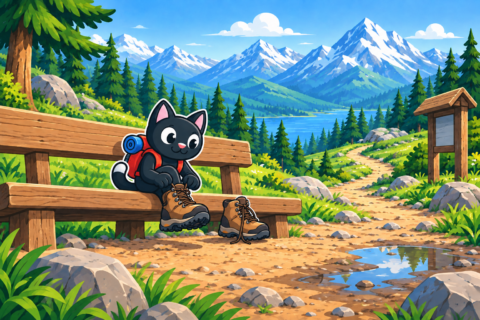
Caution: even a built path can be dangerous after rain. Beyond a barrier, erosion may leave an edge that looks firm from above. Remain inside the designated area even if it does not reveal the whole waterfall. Leave any viewpoint without a safe approach out of the plan.
At a lake, inspect the path between trail and shore; it may cross marsh, dense brush, or a steep slope. Select a rest place beforehand and stay on stable higher ground when uncertain. Swimming requires a separate check of local rules and conditions. Clear water can conceal a dangerous bottom and may be unfit to drink.
Time at the destination
Add time for food, photographs, and rest. Counting only walking leaves no time beside the water before turning around. Popular places may have queues on narrow trails or platforms. Waiting is safer than passing people on a slope to save a few minutes.
A waterfall approach often descends, leaving the climb until after the rest. Study the profile and preserve energy for the return. If the route enters a gorge, check the forecast and official warnings. When passability is uncertain, choose another walk before descending. Compare the gorge forecast with the time of your return climb.
Camping near water
A beautiful shore may be unsuitable for a tent. First confirm that camping is permitted, then inspect the ground. Use a dry, stable site away from channels, erosion, and possible rising water. Observe required distances from the shore and campsite boundaries.

Do not wash dishes or use detergent directly in a lake or stream. Collect water in another container and follow local rules. Carry all packaging and food scraps out. If cooking takes a long time, inspect the waterside site carefully before leaving.

Save a photograph of the required junction, the approach map, and exit coordinates before departure. They must open without reception. A turn photograph identifies the right side of the trail, while coordinates help you return to the exit after resting beside the water. Test offline access at home.

Inspect the rest site before leaving: light packaging can blow toward the water and crumbs attract animals. Carry away all waste and leave stones, plants, and shoreline soil in place. Small scraps are easiest to see while the gear is still unpacked, leaving the same clean shore for the next group.