The right companions largely determine a hike’s pace and atmosphere. This guide explains how to discuss expectations, experience, and shared responsibilities beforehand.

Compare expectations
Ask everyone to describe their idea of a good hiking day. One person may leave at dawn to complete the full route; another wants a long breakfast, photography, and swimming. These preferences affect start times and stops, so “rest” can hide different plans. Discover differences before the first break, while everyone is rested and the schedule can still be agreed.

During preparation for a group hike, discuss and record several questions for situations where the original plan changes:

- how essential is the stated route, and can the group abandon the summit;
- what happens if someone wants to finish early;
- who decides when opinions differ.


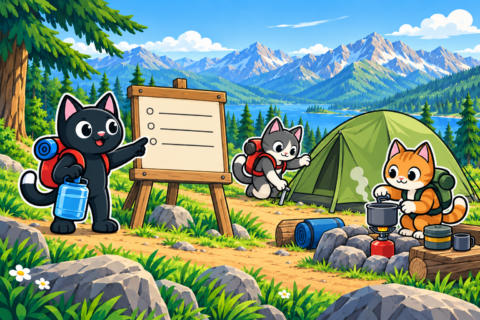
Ask about normal pace and break duration. A recent trip tells more than “I walk fine.” Clarify whether everyone waits for slower members or regroups only at junctions. This determines whether you travel together or repeatedly close gaps. A practice walk shows whether companions follow the arrangement when someone falls behind.

Take a day hike together
Before a multi-day trip, go on a day hike together. See how people respond to lateness, rain, and plan changes. Their reaction to a requested break shows how calmly they accept another person’s fatigue. Someone may know equipment well yet become irritated at every stop; enduring that for days is harder than learning it on a short outing.
Watch ordinary details. Do people arrive on time and let others finish speaking? If someone cannot carry shared equipment, do they warn the group while it can still be reassigned? These actions reveal reliability before a difficult section leaves little time for negotiation.
Money and camp life
Agree on costs before purchasing: transport, shared food, campsites, and rental. Decide what happens to money already spent when someone withdraws. A written chat agreement preserves the exact wording and prevents the budget discussion restarting after payment.

Discuss sleep, smoking, alcohol, and noise. An early sleeper cannot rest easily beside late-night conversation. Habits will not change by themselves during a trip. Knowing them beforehand shows whether shared life will suit you.
Assess the organizer
When joining an open or commercial group, ask how it moves and divides shared load. Learn the procedure when someone leaves and the leader’s experience on similar routes. Reviews provide an impression, but specific answers describe the coming days and what to expect.
In a suitable group, you can calmly decline an outing that does not suit you. If an organizer rushes, mocks caution, or promises the group can handle anything, find other companions. That reaction shows how difficult it will be to report doubt or fatigue on the trail.
See how the group handles problems
On a practice walk, observe what happens after a mistake. A leader who acknowledges a wrong turn and checks the map with everyone shows real problem-solving. In a healthy group, someone can report fatigue without ridicule even when plans change. Route adjustments are working decisions based on participants’ condition.

Before a multi-day route, pitch a tent and cook together. This rehearsal shows how people share confined space and common equipment. Dividing shelter and kitchen tasks reveals whether work can be distributed without unnecessary conflict. The same activities follow every day’s hiking.