After an injury on a hike, assess the person and prevent deterioration. This guide covers basic actions until professional help is available.

Inspect the scene first
Before helping a fallen person up, check for rockfall, traffic, water, fire, or another threat. Ask whether they struck their head or lost consciousness, where it hurts, and what happened. Then check breathing, severe bleeding, and ability to respond. Call emergency services immediately for altered consciousness, breathing difficulty, or massive bleeding and act within your training. On scree, assessing the scene also protects everyone else.

Move the casualty only for immediate danger or on rescuers’ instructions. Unnecessary movement can worsen injuries after a serious fall. A fall from height, heavy impact, neck or back pain, numbness, and limb weakness demand particular caution. If the person lies in a safe place, stay with them and report what you observe. Continue monitoring while awaiting instructions.

Assess the limb
Compare the injured side with the uninjured one without forcing painful movement. This makes differences in position and condition easier to see. On an uneven trail, inspect accessible areas before deciding on an exit. Look for:
- obvious deformity or unusual position;
- rapidly increasing swelling and severe pain;
- an open wound or visible bone;
- numbness, tingling, pallor, or cold below the injury;
- inability to bear weight on a leg or use an arm.

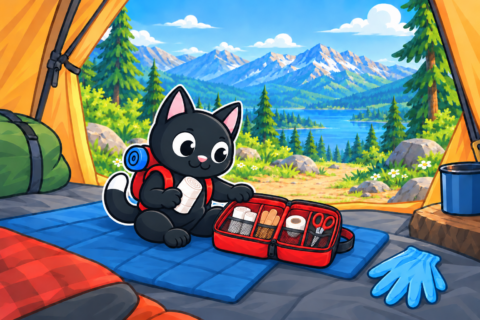

These signs and a high-energy mechanism require urgent professional assessment. Even while the person can speak, deformity or altered sensation indicates a serious problem. Do not attempt to reduce a joint or straighten a deformed limb; this can worsen damage. Report exactly what you found.
Protect the injury
Stop loading the limb and place it in the most comfortable position. Remove rings, watches, and tight items before major swelling makes removal difficult. Apply a cold pack through fabric in short sessions while monitoring the skin and sensation. Never place ice directly on skin. Removing a ring early after a hand injury helps prevent additional compression.
An elastic wrap may reduce swelling when applied by someone who knows how. It should support without causing numbness, increasing pain, pallor, or cold fingers or toes. If these signs appear, loosen or remove it and reassess. Elevation is acceptable if comfortable and there is no suspected serious injury that movement could worsen. During the break, recheck color and sensation after wrapping.

Immobilization and evacuation
Trained people apply a splint in the comfortable position found and check circulation before and after. An improvised structure can worsen damage if it compresses tissue or requires forced straightening. When unsure, contact rescuers and follow instructions. In a remote area, dispatch can guide action before movement begins. Continue observing the limb after immobilization.
Do not test an injury with a long trial walk. A few careful steps on level ground are reasonable only with mild symptoms, preserved stability, and no warning signs. Pain, altered gait, or instability means the route should end. If someone already limps on level ground, a difficult slope raises the risk of self-evacuation. Waiting for help may be safer.
Monitor the whole person
After a fall, watch for headache, nausea, drowsiness, confusion, repeated vomiting, and unusual behavior. These require urgent medical advice even if the limb looks manageable. Protect the casualty from cold and do not leave them alone. Recheck regularly and report changes. If responses become slower during the stop, include that when seeking help.
Use pain relief according to its instructions, accounting for allergies, medical conditions, interactions, and medication already taken. Check these before use. Reduced pain does not make the injured limb ready for load. Even if medicine brings relief, base the evacuation decision on the condition and injury signs.
After the hike
Persistent pain, visible swelling, limited movement, or a limp requires medical assessment. Record how the injury occurred and how symptoms changed to help the clinician. Return to load gradually according to recovery. A rushed test on the next route often prolongs the process. If the leg still hurts during ordinary walking, a long hike is premature.
Prepare before the route
Well-fitting footwear, sensible backpack weight, and gradually increased load reduce injury likelihood. Warming up helps find a rhythm, though uneven ground remains. Put away the phone on a difficult section, maintain spacing, and choose the next support before transferring weight. On a rocky descent, free hands and attention reveal unstable ground. Match speed to the surface.


Distribute the kit, communications, and emergency shelter within the group. If one person carries everything essential, their injury leaves others without resources. Several participants should know the route, coordinate format, and emergency-call procedure. If the leader cannot continue, others can report the location and use the shared equipment. Confirm this information before departure.