A hiking first aid kit should suit the route, group, and distance from help. This guide explains how to select, inspect, and organize its contents.
Assemble a basic kit
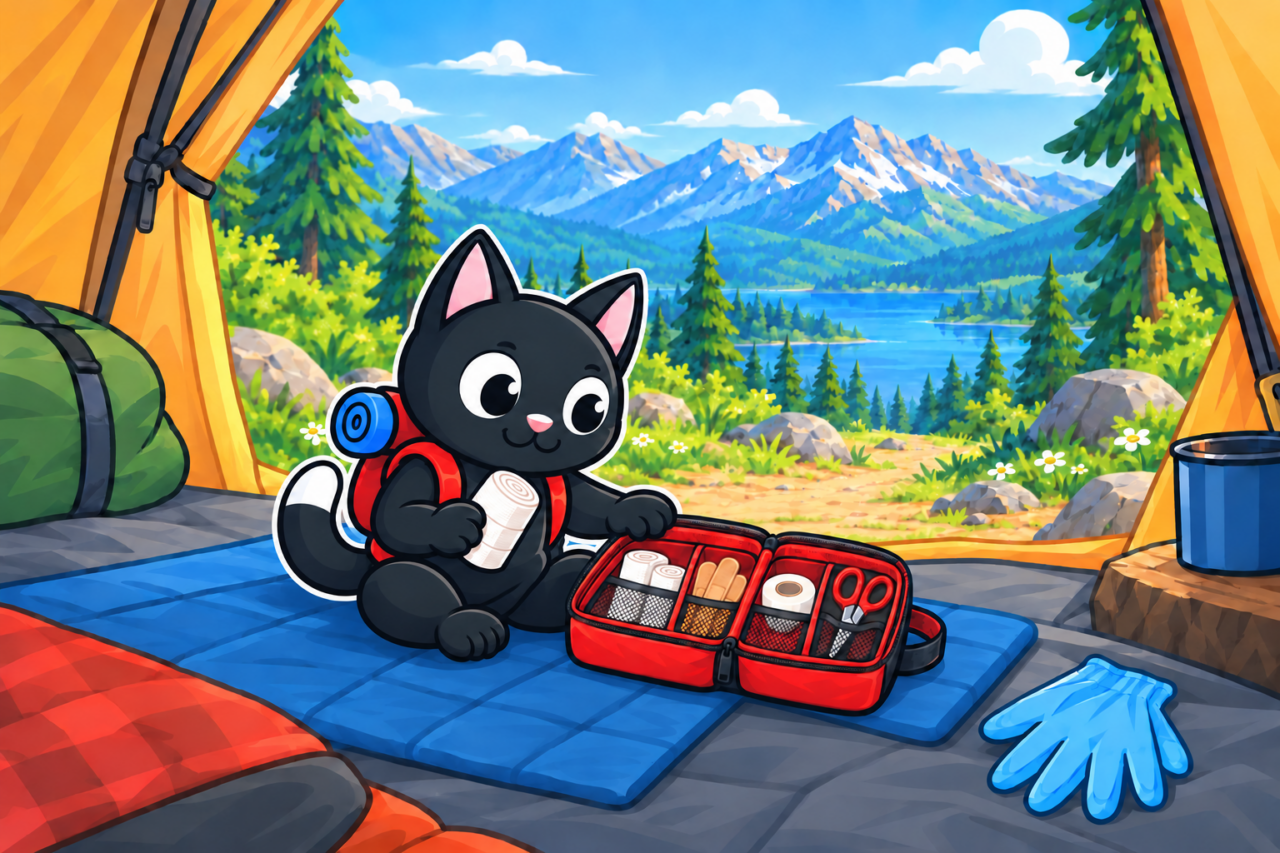
The following basics suit an ordinary hiking route. Check them before packing so materials are available for a small wound or more serious incident. Adjust quantities to the number of people.
- several pairs of disposable nitrile gloves;
- sterile gauze and dressings in several sizes;
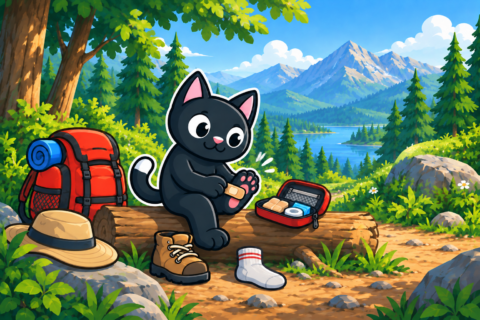
- adhesive dressings, medical tape, and blister protection;
- an elastic bandage if trained to use one;
- blunt-ended scissors and tweezers;
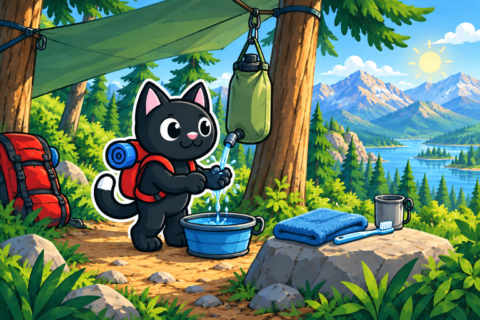
- clean water or an appropriate product for irrigating minor wounds;
- an emergency insulating shelter;
- a card with emergency contacts and a short action sequence.
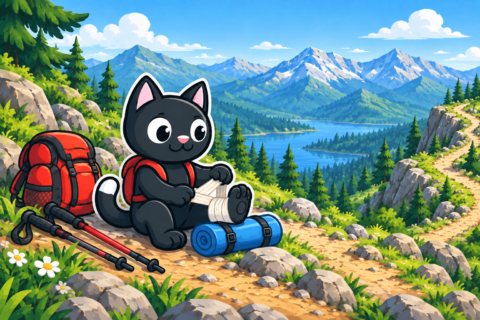


Calculate quantities from group size, trip duration, and resupply opportunities. On a long section without shops, used material cannot be replaced until return. Read instructions and inspect sterile packages; a damaged wrapper no longer provides the same protection. Keep medicines in packaging that shows the name, dose, expiry date, and contraindications. In a stressful situation, an unidentified packet delays help and forces guessing.
Personal medication needs separate attention
Each participant carries prescribed medicines with a sensible reserve and stores them according to the instructions. Some are sensitive to heat, cold, or moisture, so confirm their storage while packing. If a condition may require urgent care, discuss a plan with the treating clinician beforehand. With the person’s consent, the group leader should know where supplies are kept and whom to call. If that participant cannot explain, the agreement lets the group follow the prepared plan.

Another person’s medicine can cause an allergy, interact with a drug, or mask an important symptom. Do not offer prescription products or prescribe treatment from personal experience. Even a familiar complaint may involve a different condition or existing medication. Use nonprescription products strictly according to their instructions, accounting for age, contraindications, and doses already taken.

Pack it clearly
Divide contents into transparent labeled sections: rescuer protection, bleeding and dressings, minor injuries, and personal medication. Put them in a bright waterproof case so packages remain visible and dry. Keep the kit near the top of a backpack and tell everyone who carries it. At a break, participants can immediately find the right section. Its organization will also help the next time it is opened.
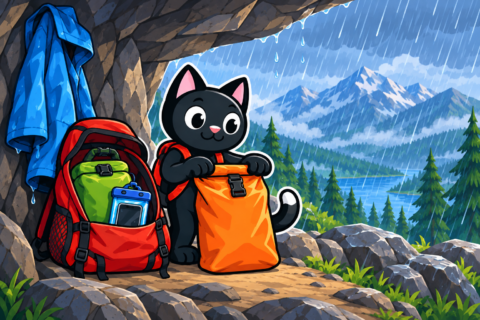
If the group separates, each part needs an independent kit and someone with first aid skills. Otherwise, supplies may remain far from the casualty. Add a waterproof card with the coordinate format, local emergency number, and any medical details participants agreed to share. This record helps report information quickly and accurately. Protect personal data and return the card after use.

Skill matters more than package count
Take a practical wilderness first aid course. Training covers scene safety, checking consciousness and breathing, controlling bleeding, preventing cooling, and reporting to dispatch. A familiar sequence helps select materials without unnecessary searching. The kit becomes more understandable after training, and questions can be discussed with the instructor. Review the skills with the group before a route.
Practice retrieving the kit in gloves, poor light, and rain without spilling items. These are precisely the conditions in which neat organization is difficult. Refresh knowledge before a demanding trip. Tourniquets, splints, and other specialized equipment should be carried and used after in-person training. Skill explains when they are needed and how to use them within your competence.
When to call for help
Loss of consciousness, breathing difficulty, severe bleeding, and suspected head or spinal injury require urgent contact with emergency services. The same applies to a severe allergic reaction, serious burn, rapid deterioration, or inability to move safely. Early contact from a remote area gives dispatch time to understand the situation. Act within your training and follow instructions. Keep incident-location details ready for the call.
Replace used and damaged materials after every trip. Even one empty package may be discovered only when it is needed again. Twice a year, check expiry dates and equipment batteries against the inventory. Record what was useful and what was missing. These observations adapt the kit to the group’s experience and future conditions.
Protect the person providing care
Assess safety and put on gloves before contact with blood. Replace a damaged pair and clean your hands after care. Sharps left in ordinary rubbish can injure whoever collects it; follow local disposal rules. Protecting yourself lets you continue helping without increasing the number of casualties, especially far from professionals.
Restock any used kit immediately after returning while events are fresh. It is easier to remember which packages were opened and what came from another section. Separately mark supplies that became wet, froze, or remained in heat. Even sealed packaging may require replacement under the manufacturer’s instructions. Check these items before the next outing so the kit again matches its list.