You do not need a complicated fitness program for a first day hike. What matters is gradually becoming comfortable with walking longer, climbing, descending, and carrying your actual pack.
Establish a Baseline
Walk a familiar route that is easy to shorten. Keep a conversational pace, then record the distance, moving time, and breaks. Note what tires first: your breathing, legs, feet, or shoulders under the straps. Use an effort you could repeat after normal recovery, not your best one-time result.
This gives you a personal starting point. If one energetic walk requires several days of recovery, that recovery time is also part of your current capacity.
Increase One Thing at a Time
Over several weeks, space your walks so you can recover. Gradually add either duration or elevation, not both in the same step. Most of the time, stay at a conversational pace where you can speak a full sentence. On climbs, short steady steps preserve energy better than bursts of speed. Shorten a session if unusual pain appears.

Practice Terrain and Gear
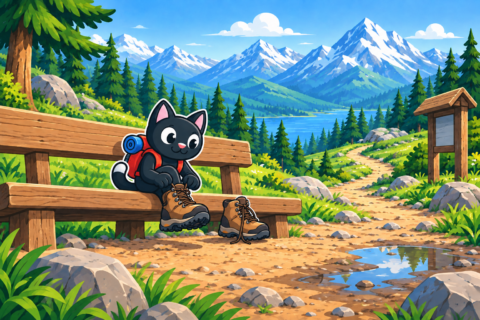
Use stairs, hills, and safe park trails to practice climbing and controlled descending. Increase difficulty one variable at a time so you can tell what caused fatigue. Test the shoes and socks planned for the hike on dirt, wet grass, and a safe descent. Protect a hot spot as soon as you notice rubbing.


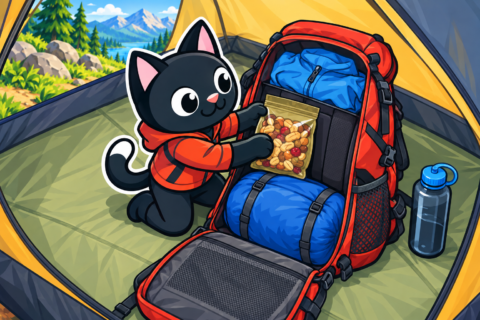
Start with water and a light jacket in your backpack, then work toward the expected hiking weight. Use the actual gear and packing layout, with heavier items close to your back. A random weight does not show whether a strap rubs or whether you can reach your water. If hiking with a group, take a practice walk together and start each break when the last person arrives.
The Final Week
Reduce the load during the last few days, finish packing, and sleep well. A final all-out test takes energy away from the hike. Light walking, gentle mobility, and normal meals are more useful. Simple step-ups, comfortable squats, and supported balance work can supplement walking, but stop if they cause pain and allow time for recovery.
If training shows that the chosen distance is still too much, shorten the route. After an injury or with a chronic condition, discuss the plan with a doctor or qualified physical therapist.