Risk assessment helps identify factors that may complicate a hike before they become problems. This guide explains how to review the route, group, and changing conditions.
Separate hazard from risk
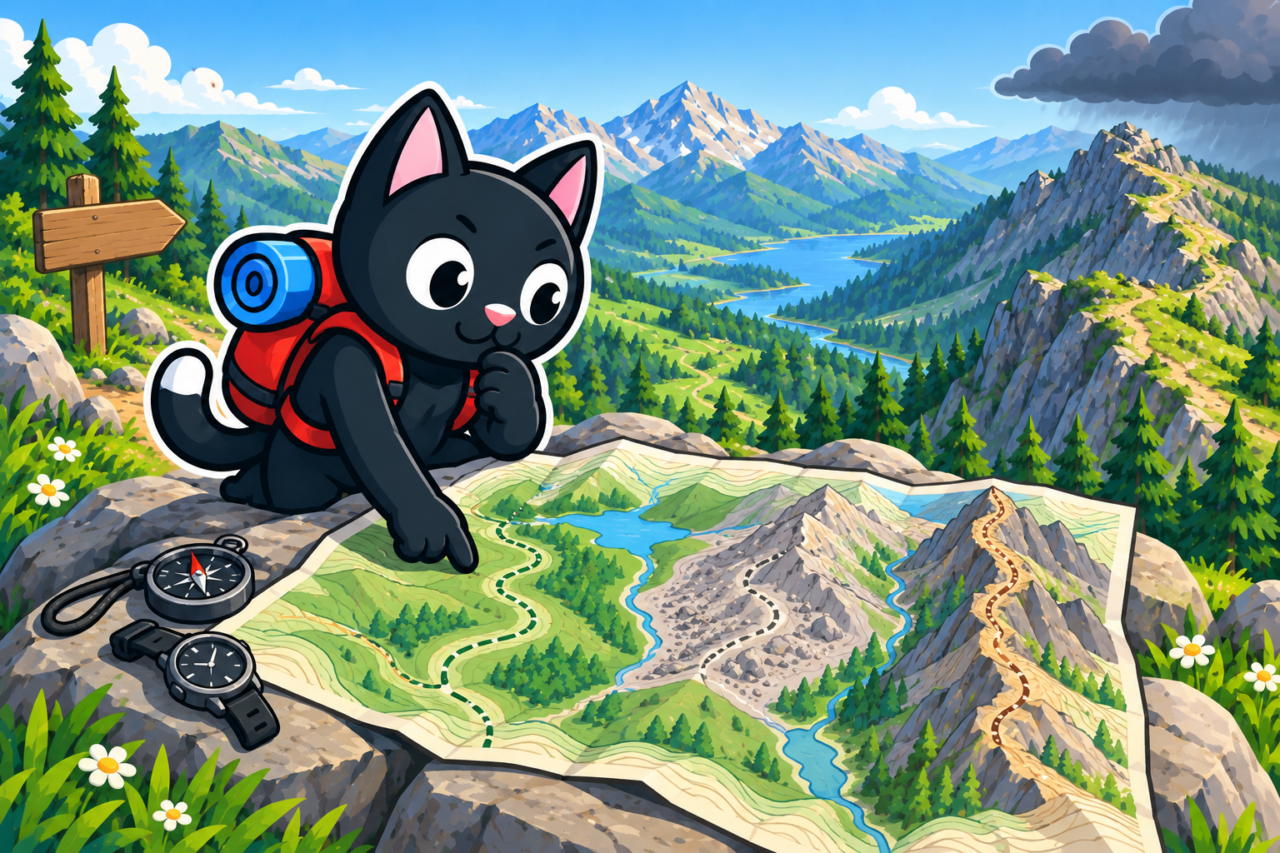
A hazard is something capable of causing harm: a storm, cliff, cold, current, or rockfall. Risk depends on the chance of encountering it and the severity of the consequences. A snowfield may be convenient in the morning and extremely slippery after softening; a small stream can block the return after heavy rain. Assess the conditions expected when the group reaches the section. A familiar place may require a different decision on the way back.

Before departure, ask the three questions below. They connect an event with its likelihood, consequences, and available safeguards. After a forecast of heavy rain, for example, you can evaluate the crossing and return separately. This turns an abstract discussion into decisions for today’s route:
- What could happen on this route today?
- How likely is it, and how serious would the consequences be?
- What measures reduce the likelihood or severity?
Consider the people, route, and conditions
Begin with the group: experience, health, age, pace, and altitude tolerance vary. The strongest participant’s capacity does not show how far the team can travel. If one person climbs more slowly, their pace determines when everyone reaches a difficult section. Identify limitations, divide shared equipment, and make sure everyone understands the plan before starting. A shared discussion makes later choices easier when conditions change.
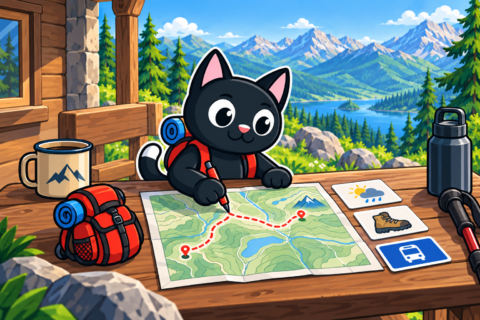
Then analyze the route: elevation gain, difficult descents, crossings, areas without service, distance from roads, and possible exits. Check the forecast, trail condition, seasonal closures, and local alerts so the assessment reflects current conditions. An old report is useful as historical context because water, snow, and trail damage change. A crossing described as easy must still be reassessed after recent rain. This connects the route on the map with the circumstances of your day.

Create a margin
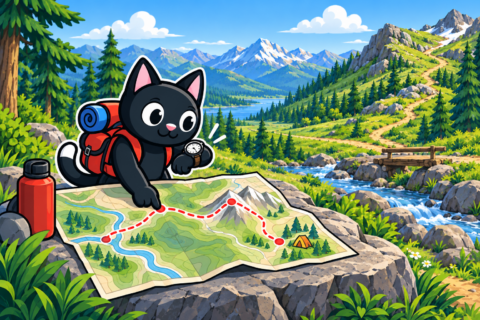
Plan unhurried time, spare food and warm clothing, an alternative route, and a clear turnaround point. If the group is delayed on a climb, this margin allows a return without racing the clock. Tell a trusted person where you are going, who is participating, and when to raise the alarm. Record emergency numbers, download an offline map, and carry independent navigation. These preparations help when coverage or the planned pace disappears.
Match every measure to a specific threat. In heat, an early start, water, shade, and monitoring participants help. For storms, choose a route away from exposed ridges and reach reliable shelter in time. If a difficult crossing is high, take a detour or abandon it. A group facing a swollen stream can immediately use an alternative identified in advance.
Reassess along the way
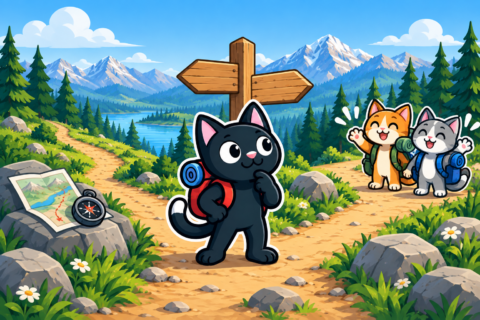
Assessment continues throughout the trip because starting conditions can change. Before a key section and after a significant change, pause for the questions below. After a delay on the climb, for example, compare the time with the plan before going farther. This helps the group see whether a safe return remains available:
- does the actual time match the plan;
- how have weather, water, and visibility changed;
- does the group have enough energy to return;
- are communication and navigation still available;
- what is the nearest safe exit option.
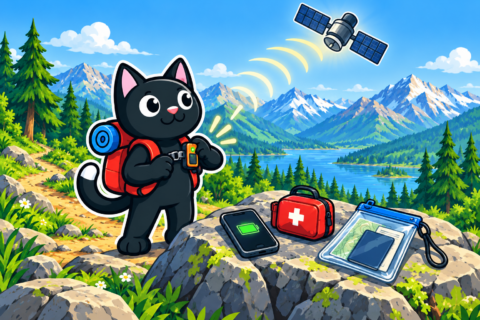
Watch how small problems combine even when each seems manageable. Wet socks, a one-hour delay, and a dead phone together sharply reduce the group’s choices. The phone may fail at a junction just when the remaining time is needed for the return. If several safeguards have disappeared, revise the goal before the next difficult section. Base the decision on the group’s present capability.

Avoid thinking traps
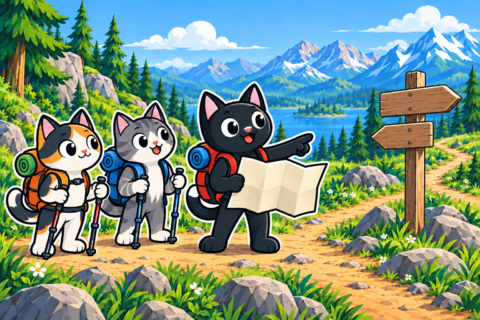
Invested effort encourages continuation: tickets were bought, half the climb is complete, and the summit is visible through cloud. None of this makes the route safer or changes the weather and people’s energy. Group pressure also distorts decisions, especially when someone stays silent for fear of delaying others. A tired participant’s silence near a saddle can be mistaken for agreement. Open discussion reveals the limitation before it becomes everyone’s problem.
Appoint someone to ask difficult questions aloud and give everyone the right to call a stop. Define the turnaround condition before departure, such as “if we are not at the saddle by 2:00 p.m., we return.” At that time the group only compares its position with the agreement, even if the goal is visible. This reduces debate when fatigue and desire interfere with judgment. Everyone must understand their right to stop movement.
After the hike
Discuss near misses after the trip. Record the early sign, decision, and missing safeguard to improve the next plan. A successful ending can conceal a mistake if nobody discusses it. Review the event with respect so participants feel able to share details. A delay before a crossing, for example, may show how much time to reserve next time.
Keep a short route table listing the hazard, early sign, protective measure, and turnaround condition. Update it in minutes before the next hike to reflect new circumstances. It cannot predict every event, but it keeps important decisions visible even on a clear day that makes the backup plan easy to forget.