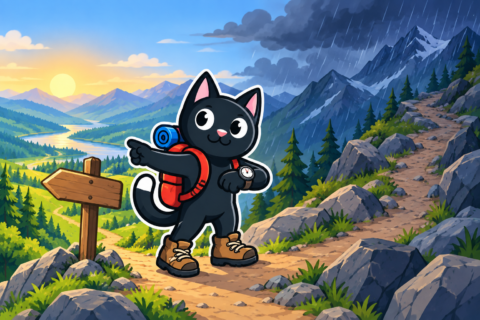
A mistake becomes useful when it produces a specific rule. These examples follow the pattern “mistake → what happened → how to prevent it.”
Untested footwear
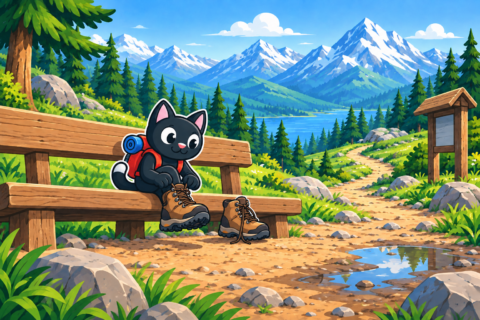
Story. New boots felt comfortable in the shop, but the heel began to slip on the first long descent. The hiker waited until the next break, and mild burning became a painful blister.
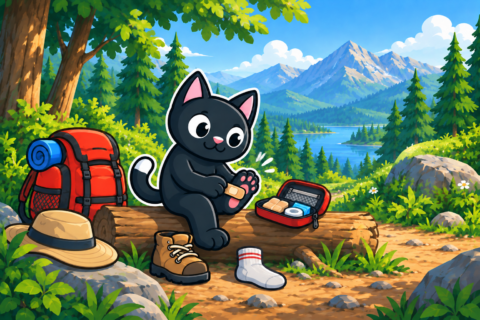
Prevention. Test shoes uphill and downhill with your hiking socks. Stop at the first sign of friction, adjust the sock, and protect the skin.
A backpack for every possibility
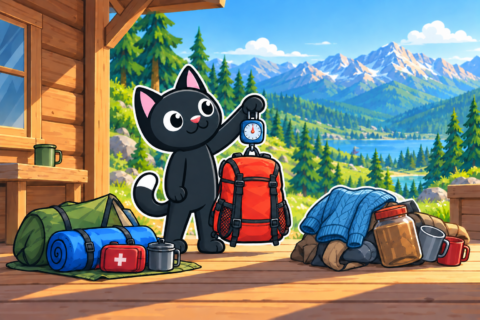
Story. A spare mug, several warm tops, too much food, and duplicates of group equipment all went into the pack. Each item seemed light on its own, but together they made the whole route noticeably harder.
Prevention. Lay everything out at home and give each item a purpose on this particular route. Remove accidental duplicates, but keep the essentials: water, first aid, rain protection, a warm layer, and a headlamp. Check shared equipment as a group.
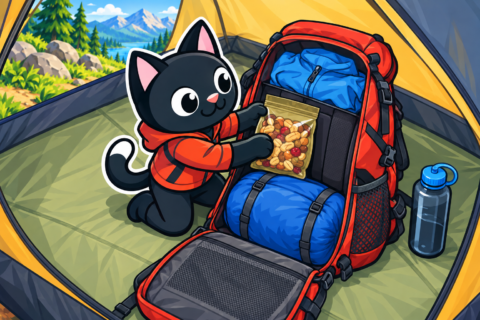
The shared food stayed at home
Story. One person wrote, “I’ll bring the grain.” They meant one breakfast; everyone else assumed they meant all the dinners. The misunderstanding became clear in the evening, when the nearest shop was far below.
Prevention. Keep one shared list with the meal, item, quantity, and responsible person. The day before departure, everyone confirms that their part is bought and packed. Use the same check for the tent, poles, stove, fuel, and first-aid kit.
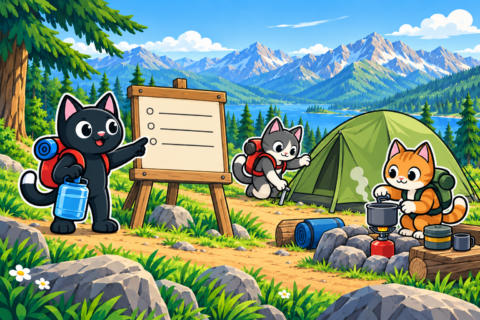
A fast start and silence about symptoms
Story. The group followed its fastest member. The slowest hiker barely rested because every break ended when they caught up. In the heat, they mentioned dizziness and an empty bottle too late.
Prevention. Keep a conversational pace and start the break after the last person arrives, and report pain, heat, thirst, or rubbing early.
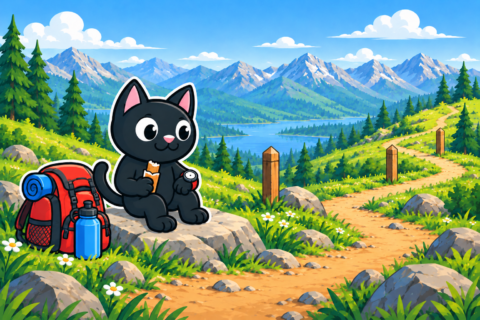
The group split at a junction
Story. The faster hikers took an inconspicuous turn and continued. The others arrived ten minutes later, walked straight on, and noticed the split only at the next stop.
Prevention. Assign a leader and a sweep, wait for the whole group at every junction, and agree in advance what to do if someone falls behind.
One phone for everything
Story. The map, tickets, timetable, and emergency contacts were all stored on one phone. After it got wet and stopped working, the group lost both its route and its return information at once.
Prevention. Download the map and track to several phones, and duplicate important addresses and numbers on paper or with a companion. Carry a charged power bank, protect electronics from water, and test the offline map in airplane mode before leaving.

A mistaken track was treated as the route
Story. A published track included a loop where the previous group had missed a turn and walked back. The next hikers assumed it was a verified bypass and lost an hour on the same slope.
Prevention. Compare a track with the map, official description, and recent reports. When publishing, mark wrong turns and every edit. Never connect points with a straight line across ground that has not been walked and verified.

The water source was dry
Story. A group relied on a spring mentioned in an old report. After a dry summer it barely flowed, so the remaining water had to be shared and the route shortened.
Prevention. Check recent reports, carry a reserve, and mark alternative water or exits. Never treat a single source as guaranteed.
Turn experience into a lesson
Reconstruct the sequence without assigning blame: conditions, available information, decision, and consequence. Then write one testable change, such as “wait for everyone at every junction,” “track shared equipment in one list,” or “several people carry the offline map.” Review the note before a similar route.
Summit fixation and the lack of an exit plan need a separate decision: set a turnaround time and agree on the conditions that will make the group stop moving forward.