For a first day hike, bring a compact set of essentials that covers navigation, communication, water, food, minor medical problems, and an unexpected delay.
Navigation and Communication
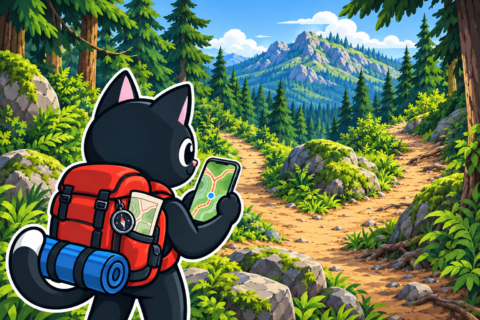
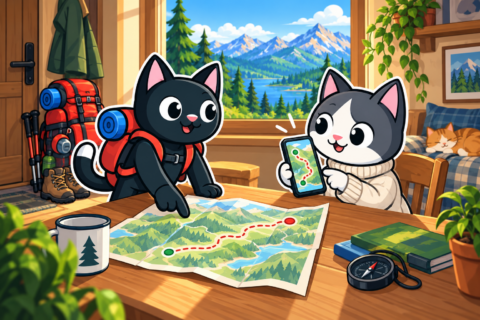
Download the route and an offline map before you leave, then test the map in airplane mode. Save the trailhead address, verified exits, transit schedule, and park contacts. Keep a paper note or a copy on a second phone so the group is not relying on one screen.
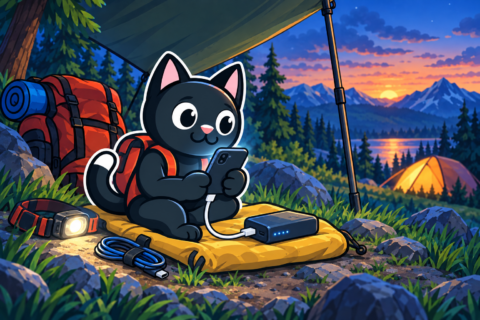
Fully charge your phone and pack a power bank and cable in a waterproof bag. Tell someone where you are going, who is with you, and when you expect to return. If the plan changes, send the updated route and timing as soon as you have service.
Water, Food, and First Aid
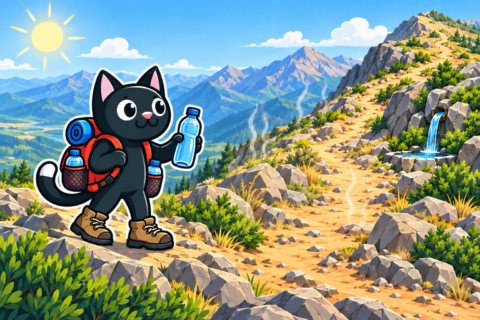
Carry enough water for the full route and a delay. The amount depends on heat, exertion, your own needs, and whether reliable water is available; hot, exposed climbs require more. Check water sources in advance and know how you would treat the water. A stream shown on an old map may be dry or unsafe when you arrive.
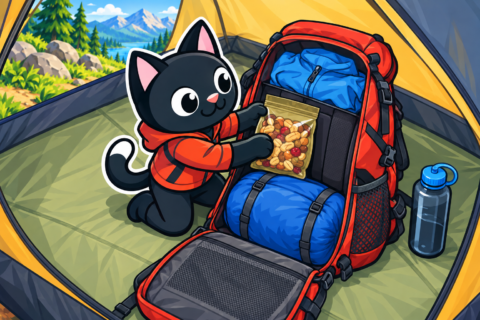
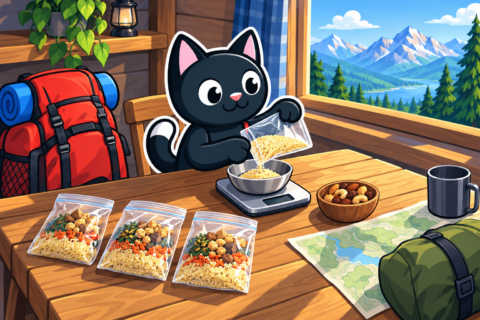
Bring familiar food that is easy to eat during a short stop, such as sandwiches, nuts, dried fruit, cheese, or fresh fruit. Add a small emergency snack. On a first day hike, a thermos can provide a warm drink without cooking equipment.
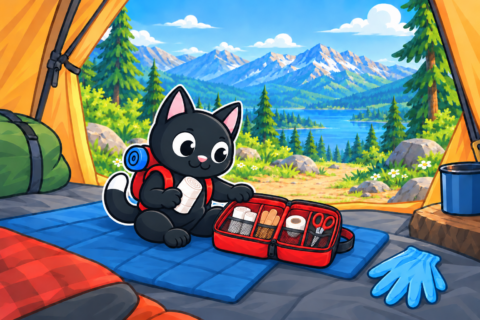
Your small first-aid kit should include adhesive bandages, wound-cleaning supplies, a basic bandage, an elastic wrap, gloves, and personal medication. Learn how to use everything beforehand. If you have an allergy or chronic condition, tell your companions where your medication is and what help you may need.
Clothing and Useful Extras
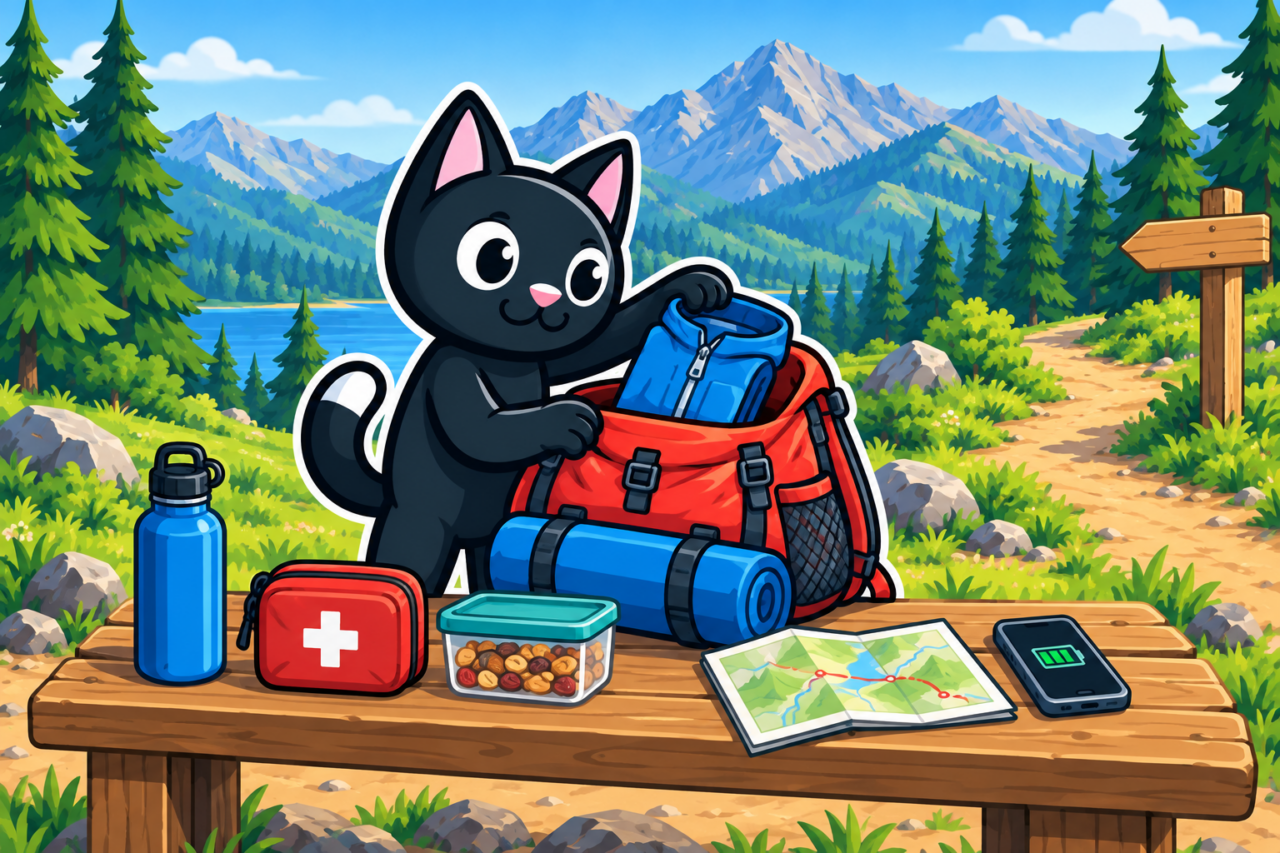
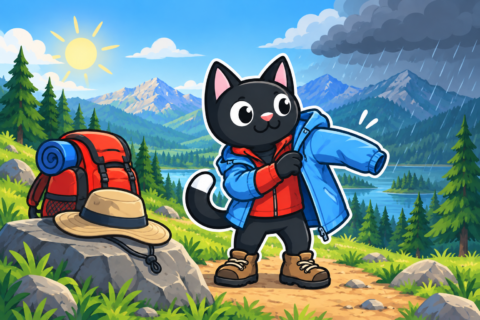
Choose clothing and footwear for the conditions, then pack a rain jacket, a warm layer, and dry socks in a waterproof bag.
- a headlamp with charged batteries and a whistle;
- sunscreen, tissues, hand sanitizer, and a trash bag;
- identification, tickets, and a small amount of cash;
- a sit pad and trekking poles if the route calls for them and you know how to adjust them.
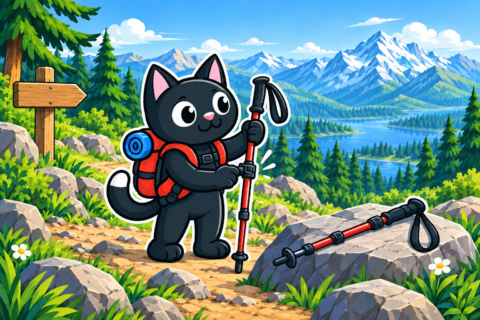
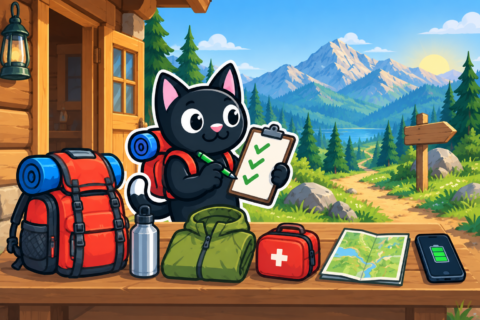
Carry a headlamp even when you plan to finish in daylight. A delayed bus, slow descent, or wrong turn can extend the day, and a whistle lets you signal without exhausting your voice. Use the Pre-Hike Checklist as your final check rather than adding last-minute duplicates.
How to Pack
Place heavier items close to your back and cushion them with softer gear. Keep water, food, the rain jacket, and first-aid supplies where you can reach them without emptying the pack. Protect anything vulnerable to moisture in separate sealed bags. When you are done, remove accidental duplicates, adjust the straps, and walk with the loaded pack for at least half an hour.
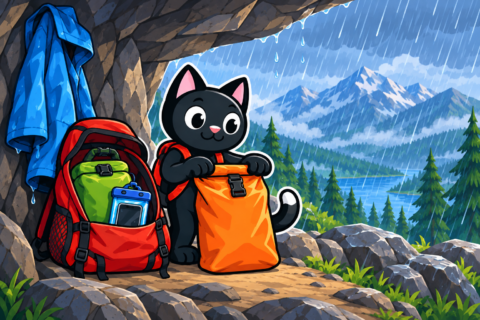
Use the final check to catch missing essentials and accidental duplicates before you leave. Confirm that the headlamp, rain protection, water, and first-aid supplies are still in the pack even when the forecast is clear.
If the group shares equipment, assign each item to a person and confirm that it is actually packed. A quick check should cover every required part, not just the main object. For a day hike, this keeps shared safety gear from being assumed rather than carried.