If you lose the route, the priority is to stop and re-establish your position. This guide describes a sequence that helps prevent further mistakes.
Stop and gather the group
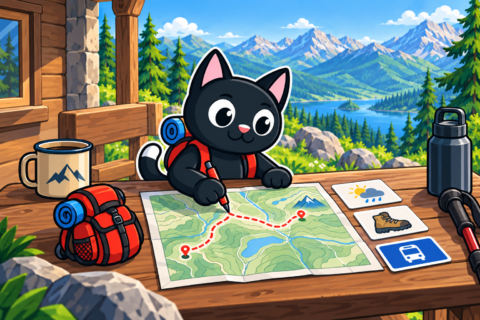
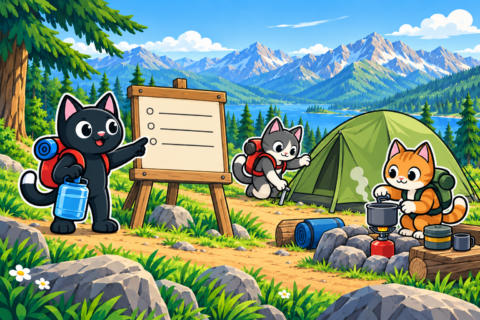
First make sure every participant is present and choose a place without danger from a fall, rockfall, avalanche, or rising water. Even a short discussion on an unstable slope adds unnecessary risk. Calm your breathing, put on a warm layer, and take out the map. The procedure is easier to recover after a pause when everyone knows where the others are.
Recall the last place where your position was certain: a labeled sign, bridge, or distinctive junction. Compare the time, photographs, elevation, recorded track, and visible terrain to limit the possible error area. Base the discussion on observations the group can verify together. Work out, in order:
- which features the group passed and in what sequence;
- which way it turned at the most recent junctions;
- how long it traveled after the last certain point;
- where the slope, vegetation, or trail condition changed.
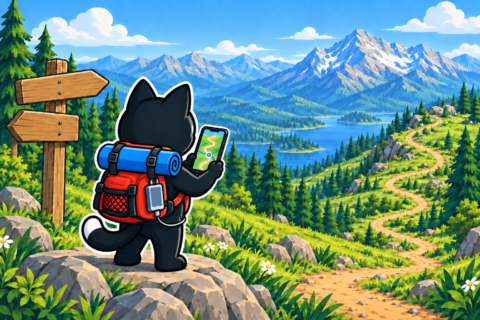
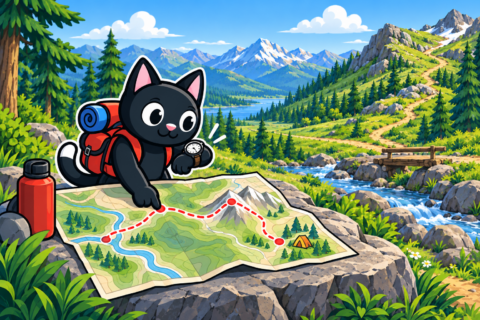
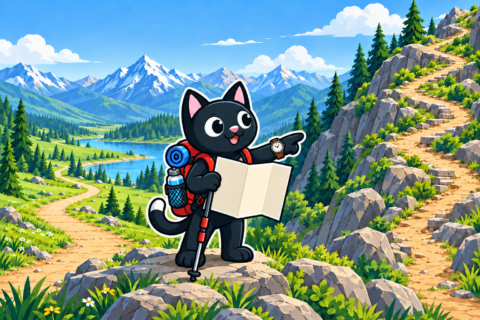
Let each participant speak separately, as different people may remember different details of the last turns. A confident voice does not guarantee accuracy, especially when people are tired. If one remembers a sign and another a change in slope, compare both memories with the map. This helps establish the last reliable point without arguing over who is right.
Decide whether you can return
Returning is sensible when the way back is recognizable, safe, and can be followed continuously. If the error point is unknown, random scouting creates more uncertainty and may take you farther away. Fog, darkness, a storm, injury, and exhaustion all greatly increase the danger of self-rescue. A junction familiar in daylight may look different at dusk, so judge the decision by current conditions.
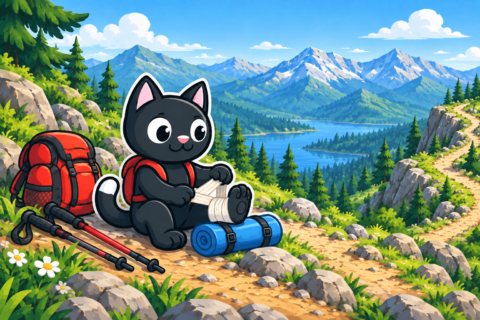
Following a stream downhill in the hope of reaching a settlement is dangerous: waterfalls, canyons, and impassable banks may lie below. A shortcut across an unknown slope can also lead to ground without safe passage. If there is no certain solution, stay put and call for help. When choosing a waiting place, consider known hazards and do not move on a guess.
Contact emergency services
Seek help before darkness and before the phone battery runs down, while the surroundings are easier to describe. If the route is still visible, the dispatcher can relate your report to the last known position. Prepare information about the group and conditions so nothing is omitted during the call. Tell the dispatcher:
- the coordinates and their format;
- the route name, start point, and last known position;
- the number of people, their condition, and any injuries;
- available clothing, shelter, water, and food;
- a description of the terrain, weather and visibility.
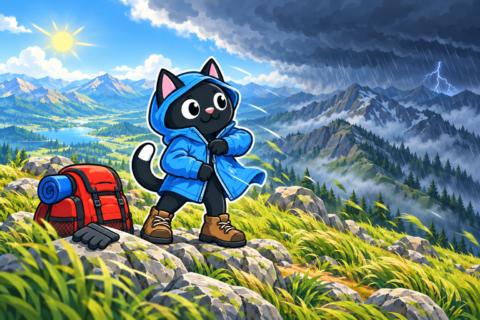
Follow the dispatcher’s instructions and end the call only when permitted so all necessary information is transmitted. Remain available for follow-up questions. After reporting coordinates, stay there while the place is safe or the information quickly becomes outdated. If an immediate threat forces you to move, report the direction, new position, and reason.
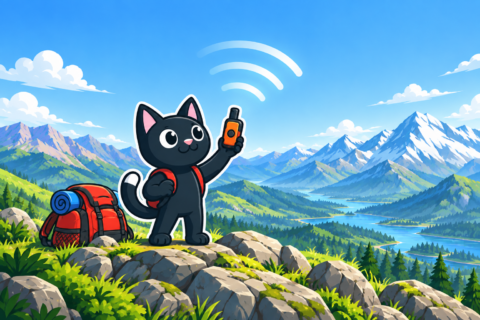
Do not send one person to search for a signal, as splitting the group creates another incident. Staying together makes it easier to report numbers and monitor everyone. Use a satellite beacon or communicator according to its instructions. After an alert, remain at the position unless it is dangerous so the transmitted coordinates stay useful.
Organize the wait
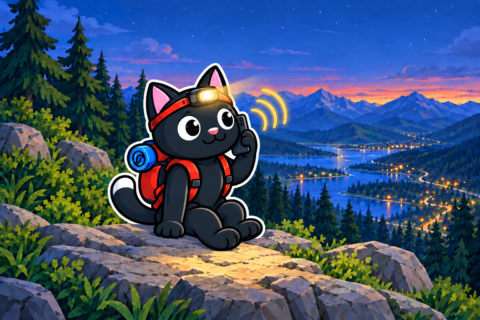
Add insulation before becoming severely cold, shelter from wind and precipitation, insulate people from the ground, and retrieve lights. Ration water and food so the wait does not consume everything at once. Keep the phone dry and warm, reduce brightness, and close unnecessary apps to extend its charge. Agree on a communication schedule with the dispatcher so the group is available when needed.
A whistle makes a loud signal without exhausting your voice. Choose a repeated pattern and listen for a reply. At night, a light can mark your position when people or machinery are nearby. A short series may attract a search team and let you hear its response. Do not light a signal fire: a wildfire would complicate the search and endanger the group.
After returning
Tell those waiting for you that the group is safe and cancel the active request through the same service. Then review the incident calmly: an incorrect file, missed junction, stretched group, or infrequent map checks. The cause shows what to change in preparation and movement. If the mistake began at a turn, agree to check similar places together so the experience changes future decisions.
Prevention before departure
Leave a trusted person the route, group composition, transport, and alarm time. Download an offline map, carry a paper copy, and make sure several participants can find the coordinates. Check your position at every significant junction while the location remains clear to everyone. These brief checks reveal a discrepancy before the group must find a way out of unfamiliar ground.
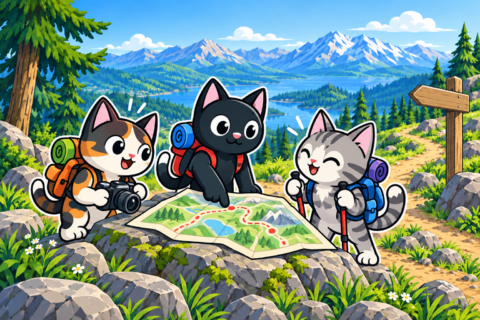
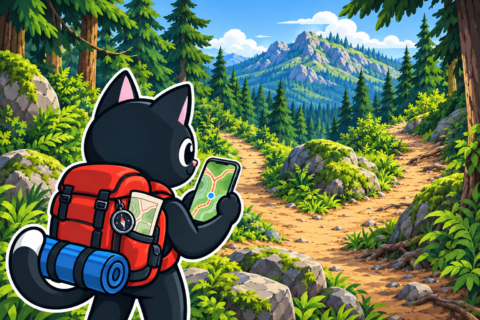
A shared check before departure takes minutes and gives the whole group the day’s plan. Let participants see key junctions and understand where the route recording is stored. If doubt arises, several people can compare their position with the prepared material. This is especially useful when members remember the route differently.