A hiking budget includes every stage of the trip, not just transport and food. This guide explains how to estimate expenses and keep a sensible reserve.
Personal and shared expenses
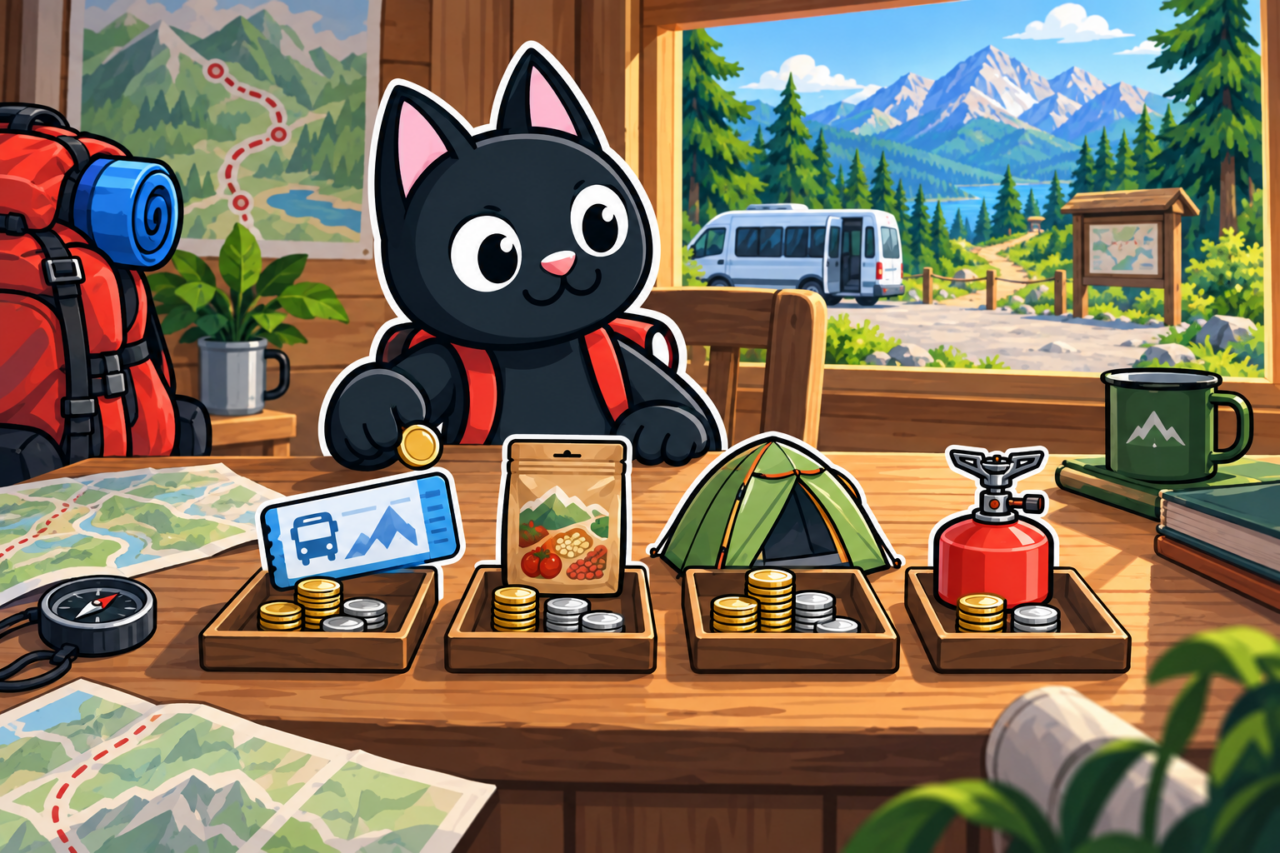
Use a table with the expense, quantity, cost, and payer. Separate personal purchases and tickets from shared cookware, fuel, transfer, and food. You can then calculate each person’s contribution while accounting for purchases already paid. For equipment, record who keeps it afterward.
When choosing companions, agree before payment how taxis, rentals, and shared food are divided. Discuss separately anyone joining late or walking only part of the route. A participant may arrive after a shared transfer, for example.
Example: a 6,000-ruble transfer shared by four costs 1,500 each. If one withdraws, the remaining three pay 2,000 because the vehicle price is divided among fewer people. Check cancellation terms and who pays after a change.
Travel both ways
Find ticket prices to the nearest settlement and onward transport to the start. Calculate the journey home separately from the actual finish. A point-to-point route may end where buses are rare and a private transfer is needed. The cost to the trailhead does not describe returning from another place.
Include baggage, transfers, and a possible overnight stay between services. If the final connection cannot be reached without rushing, budget for a night in town. The route then does not depend on sacrificing rest. Check refund terms for tickets and rentals to understand what remains recoverable after a change.
Equipment
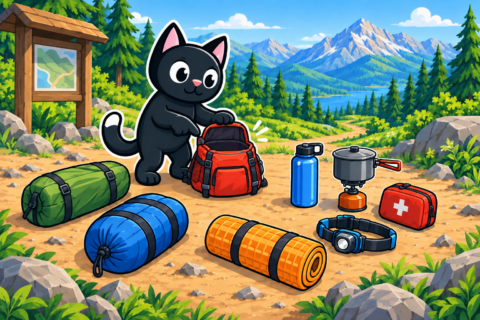
Make an equipment checklist of what the selected trip actually lacks. Rarely needed equipment can be borrowed or rented instead of purchased. For rental, check:
- collection and return times;
- deposit amount;
- return rules;
- late fees.
The deposit is unavailable throughout the trip even if returned in full. That part of the budget cannot cover transport or food in the meantime.
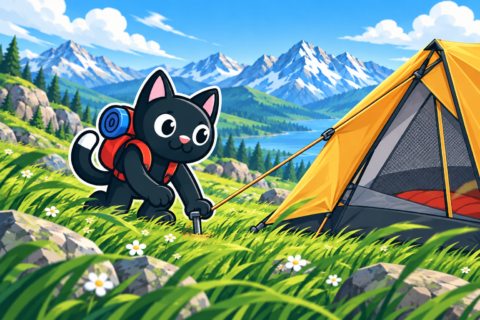
Pitch a rented tent and inspect sleeping bags and pads while defects can still be corrected. Record purchased equipment separately from consumables because it serves future hikes. A first trip with new items is normally more expensive, and its total does not represent consumption for one journey.

Permits and campsites
Check entry, permit, campsite, and parking fees, payment methods, and what each includes. An entry ticket may not include overnight use, creating two separate costs. Save confirmations when they must be shown on site.
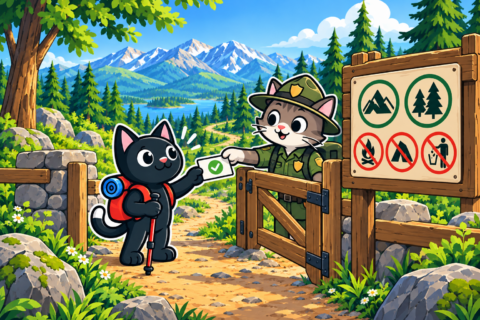
Card payment is not available at every trailhead. Ask the land authority or campsite owner what they accept and prepare the appropriate method. Enough money in an account does not help where another form is required.
Food and consumables
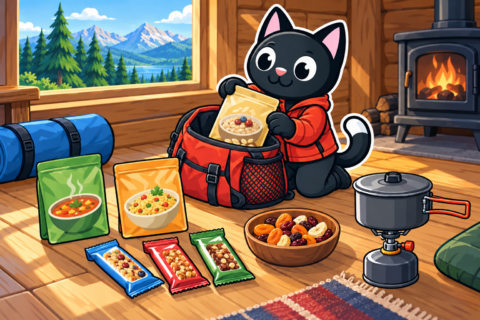
Calculate food from a completed menu that links purchases to meals. Include fuel, packaging, batteries, and other consumables required for this trip. Hot food, for example, needs fuel as well as ingredients. Record food during travel separately.

Reserve
Keep money available for plan changes: extra transport, accommodation, or an early return. The amount depends on options at the finish and early exits. Ending early may produce a different journey home. Estimating alternatives shows what unplanned costs the reserve must cover.
Afterward, record actual expenses and settle shared costs. The next budget will be more accurate. A transfer that cost more than expected remains visible as its own line. Closing payments gives the final cost for each participant, including shared purchases initially covered by one person.
Keep receipts and the table in a shared folder until settlement. As in a trail report, note the reason beside every deviation: a dearer transfer, extra night, or unused food brought home. These notes distinguish changed circumstances from estimates that can be improved next time.