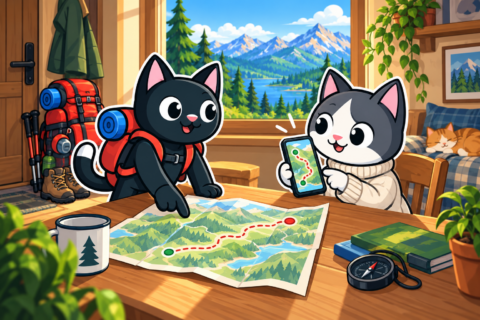
Turning back is a normal safety decision, not a failure. Set the conditions for it before enthusiasm and fatigue begin to influence the choice.
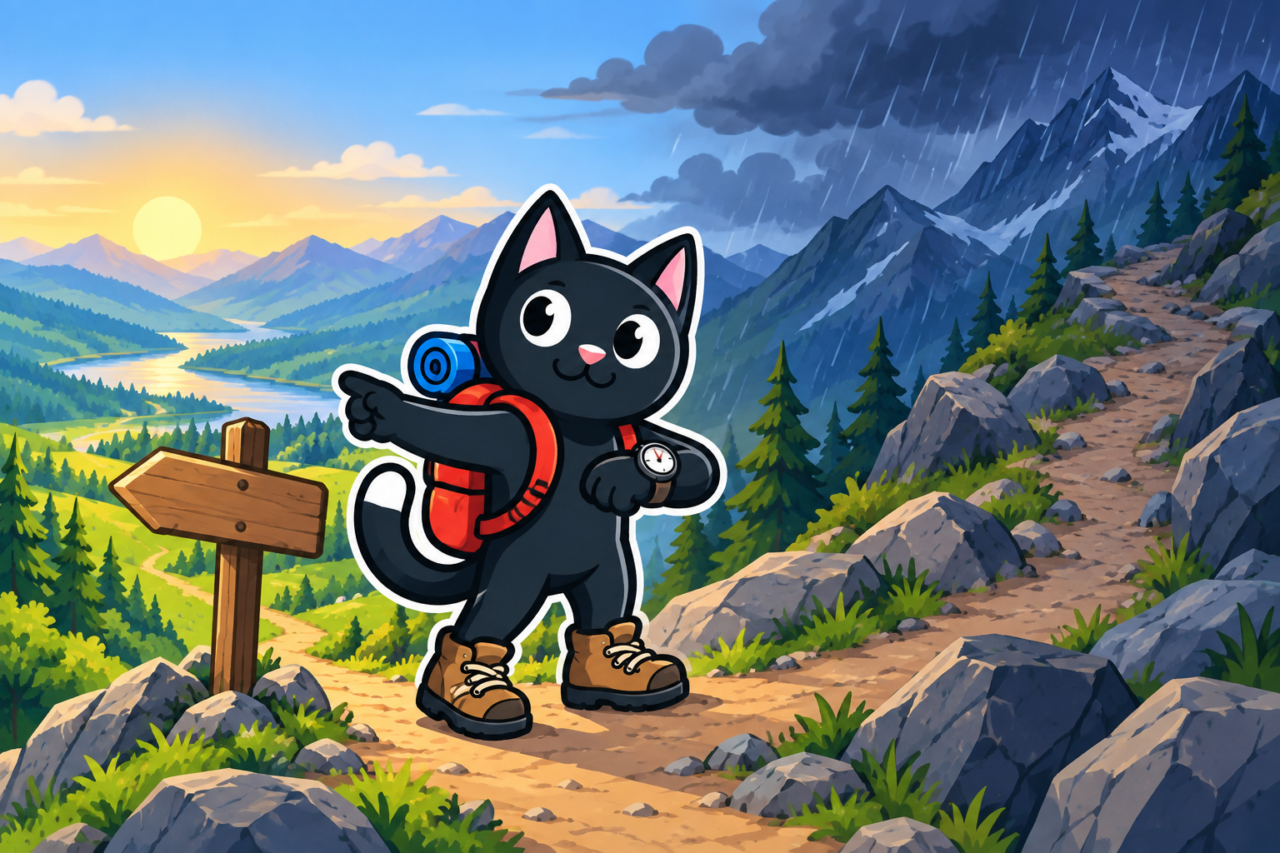
Set a Turn-Back Time
Before starting, choose a time after which the group will return regardless of progress. Include the full distance back, a slow descent, breaks, sunset, and the trip to your final transportation. Reaching the car exactly at sunset is not a safe margin because forests and valleys become dark earlier.
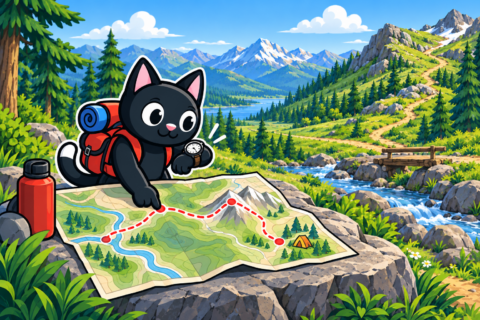
Add intermediate checkpoints, such as reaching a pass by noon or beginning the descent by 2:00 p.m. If you arrive late, the original schedule no longer works. A written checkpoint makes that clear before repeated “ten more minutes” decisions consume the reserve.
Weather Can Change the Route
Thunder, dense fog, strong wind, rising water, and ice call for an early decision. Assess conditions before entering an exposed ridge or a section where retreat is difficult. If you hear thunder, leave summits and open slopes. If fog hides the markers, stop, confirm your position, and return along the known route rather than hoping visibility will improve.

People Matter More Than the Destination
Stop for sharp pain, dizziness, chills, or confusion, loss of coordination, or an unsteady pace. Severe or worsening symptoms may require emergency help rather than an unsupported walk back. Treat smaller problems early too: adjust a rubbing strap, protect a hot spot, and find the reason someone has slowed.


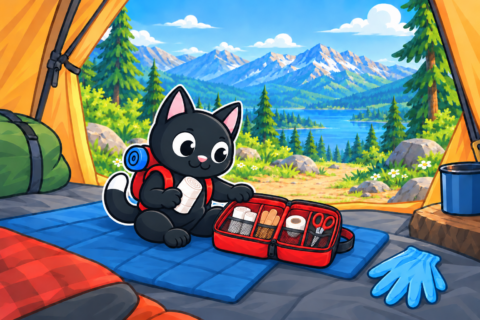
Judge the return using the slowest person’s actual pace. Everyone still needs energy for the way back, and a slower pace changes the schedule for the whole group. Recalculate the remaining time after providing appropriate first aid instead of assuming the person will recover while walking.
Navigation and Equipment
Reassess the plan if you lose the trail, critical equipment fails, or dry clothing becomes wet. Base the decision on the water, light, warmth, and skills you still have. If your position is uncertain, stop and use the map and visible landmarks before moving again. Return to the last known point only over confirmed safe ground; never descend “toward the road” through unknown terrain.


Make the Decision Calmly
Agree before the hike that anyone may ask to turn back and be heard. State the facts: remaining daylight, water, distance, weather, and the condition of each person. Safety is not a majority vote when someone can no longer continue comfortably.
After turning back, tell your contact at home when possible, stay together, and keep a controlled pace. Redistribute shared gear, check headlamps, and record the reason afterward. An earlier start, shorter route, or different equipment can turn the experience into a useful plan for next time.