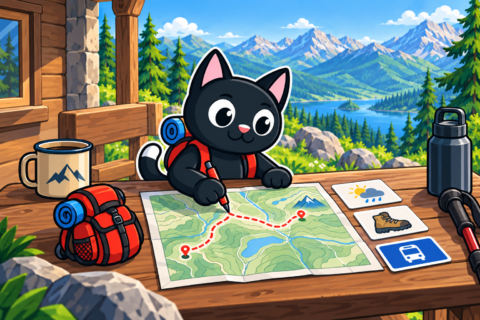
A multi-day route links walking stages, campsites, water, and supplies into one system. Here is how to make a realistic plan with alternative exits.

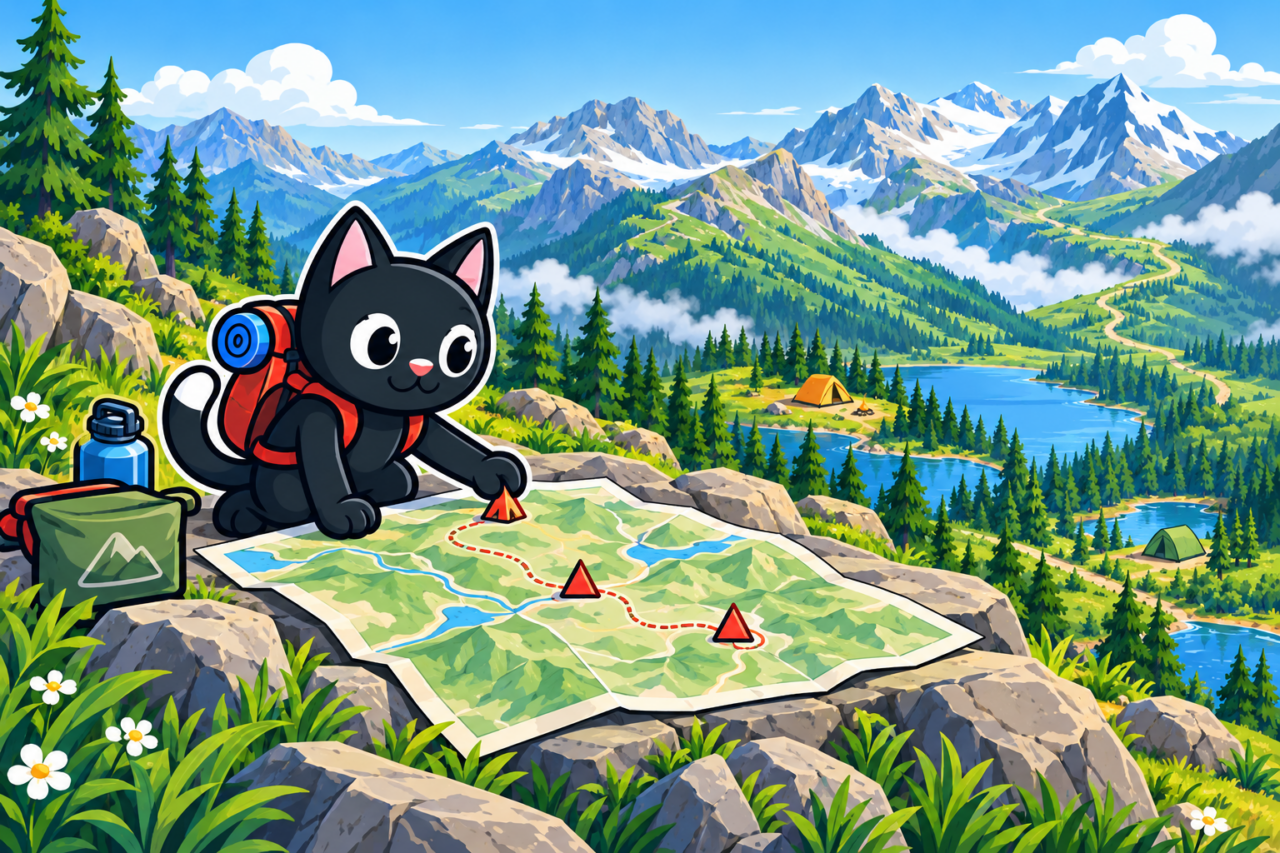
Divide the route into days
Mark each intended campsite and assess the distance, elevation gain, and trail between them. Do not divide total mileage evenly: a steep climbing day and a level day create different workloads. After a hard ascent, the group has less energy for camp, so evaluate every stage on its own terrain.

Keep the first day moderate. People are adapting to packs, checking footwear, and finding a shared pace, while the start also depends on transport. If travel is delayed, a short first stage is easier to finish before dark and leaves room to address early equipment problems.
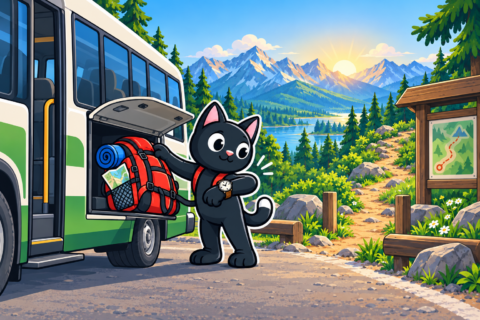
Do not fill the final day to its limit either. Reaching transport on time after several days on unfamiliar trails can be difficult. Leave a margin before departure and choose an exchangeable ticket where possible. The group may pack and walk more slowly by then.
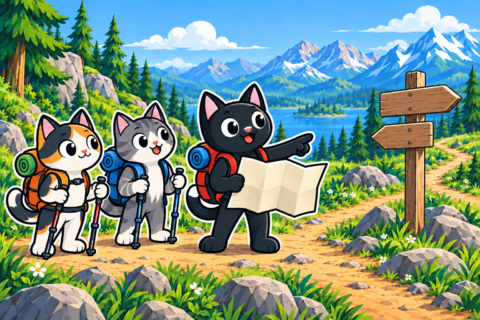
Find backup campsites
Choose a primary and alternative site for every night. Check camping permission, water, and capacity because a pad for one tent may not hold the group. Compare old spring markers with recent seasonal reports and match the campsite size to your actual tents.
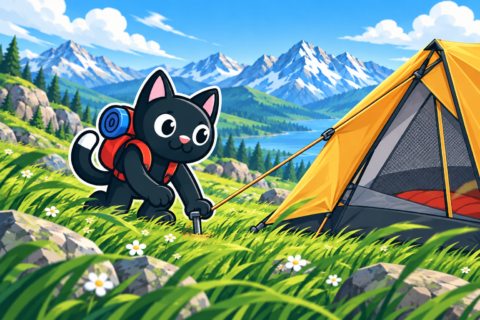
A backup must be reachable in the situation it is meant to solve. If the main site is full in the evening, an alternative beyond a steep pass is useless. Mark options before departure, estimate their travel time, and compare it with the day’s remaining margin.
Water
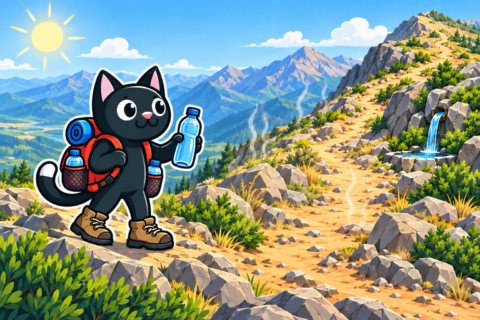
Mark dry sections separately. Calculate water for walking, cooking, and possible delays. Do not expect every blue line on a map to contain water because small streams are seasonal. If a source cannot be confirmed, redesign the day around a reliable one or carry the required amount.
Food and weight
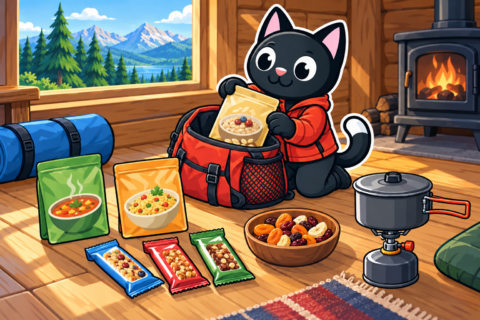
Plan each day’s menu and pack each evening’s food within reach. Use no-cook lunches on long stages. If you expect to resupply in a village, confirm the shop’s hours and prepare for it to be closed so the whole food plan does not depend on one door.
Do not split weight equally by default. Divide shared equipment by people’s abilities and test the loads on a practice walk. Redistribute weight during the trip when someone sleeps badly or develops a sore foot, even if they expected to carry more at home.

How to shorten the route
Mark roads and villages that provide exits at different stages. For each, calculate the walk, extra climbing, reception, and available transport. A vehicle track does not guarantee that it reaches help, so verify where it leads and whether pickup is possible.
Choose a decision point before every difficult or remote section. There the group reviews weather, remaining time, and health. Agree in advance on the conditions for canceling the crossing so you do not argue in its middle when turning around is already hard.
Communication and review
Leave a trusted person the main plan, backup exits, and communication agreement. Decide what they should do after a missed return. When changing course, name the selected backup exit so they can match the new message to the original plan.
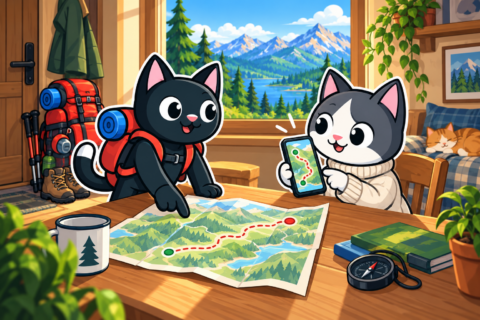
After the trip, compare plan and reality: which stages were harder, which campsite failed, and how much food remained. Use those records for the next route. Surplus food can refine the menu, while a difficult stage shows where the future plan needs more time.
A short review each evening is useful too. Check energy, feet, food, and forecast so the morning plan uses current observations. A sore foot changes the next day’s realistic pace, and the group can adjust before packing and departure.