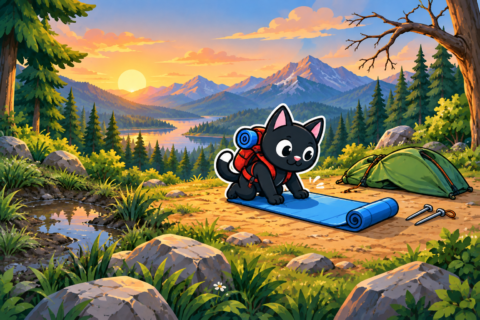
Correct packing improves balance and makes essential items easier to reach. This guide covers weight distribution and a reliable packing sequence.
Create a dry core
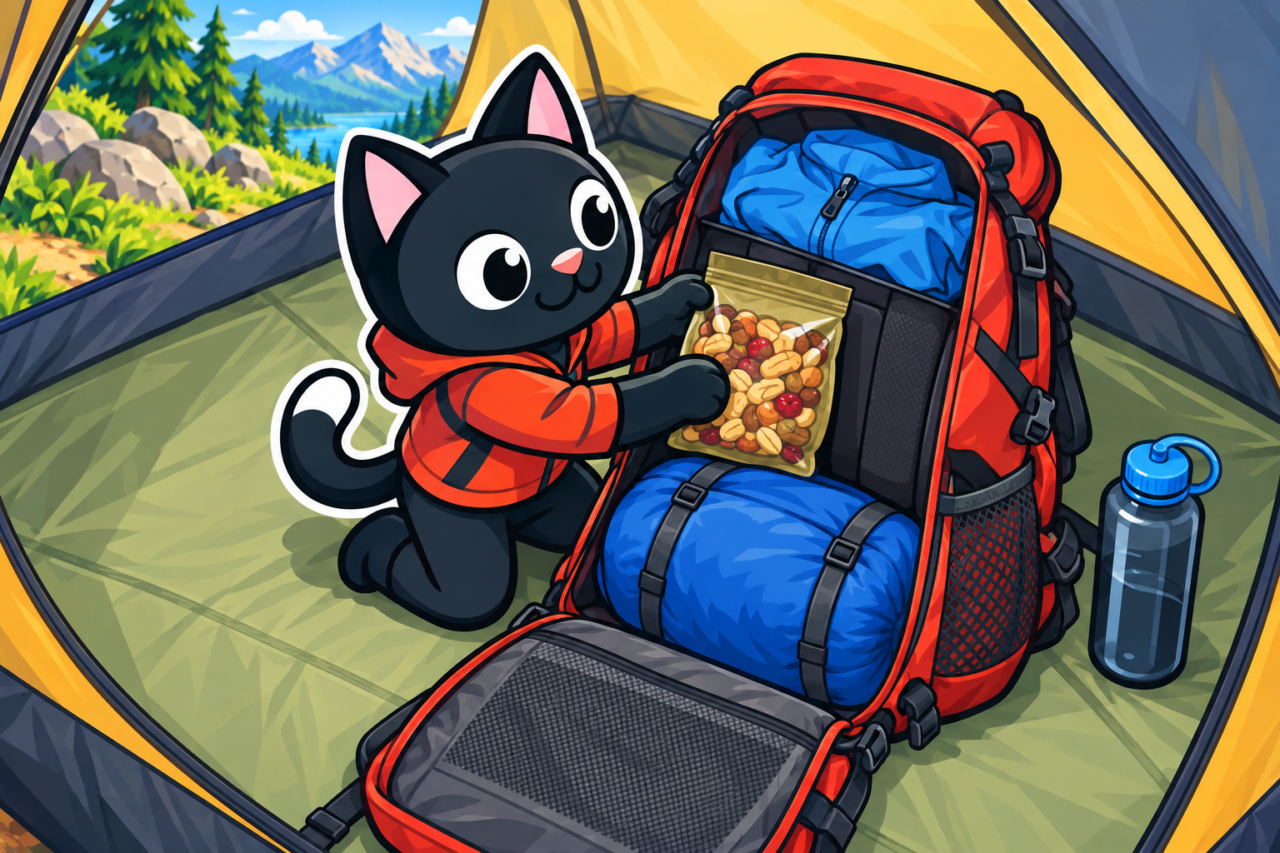
Place a durable waterproof liner inside the main compartment. Give the sleeping bag and sleeping clothes additional protection: they must stay dry even after prolonged rain. Electronics, documents, and medication go in separate bags. You can then reach them without opening the sleeping bag package, reducing the time the dry core remains exposed in rain.

A rain cover takes water and dirt from outside but does not seal the back panel, seams, or bottom. Internal protection remains the primary barrier. Make sure the liner can close after the pack is fully loaded. A gap at the top lets water bypass the inner protection.

Distribute the weight
Put light, bulky items at the bottom: the sleeping bag fills the base and creates a soft foundation. Place heavy objects close to your back, roughly between the lower back and shoulder blades. On difficult terrain, keep the center of gravity especially close to the body. Fill gaps with soft items so dense objects cannot roll. This arrangement helps preserve balance when you lean on uneven ground.

Keep the left and right sides similarly balanced. A water bottle on one side needs a comparable load on the other. Turn sharp edges of cookware, stakes, and packaging away from the back and pad them with fabric. A lateral imbalance is often more obvious on stairs than on a level floor. The fabric also prevents a hard edge from pressing into your back.
Keep essentials accessible
Use the top and outer pockets for items needed during the day. During a break, you can retrieve them without unloading dry sleeping equipment. Assign a place to each item below in advance.

- rain jacket and light insulation;
- daytime snacks and water;
- map, compass, and phone;
- first aid kit and personal medication;
- headlamp;
- sunscreen and weather-appropriate gloves.

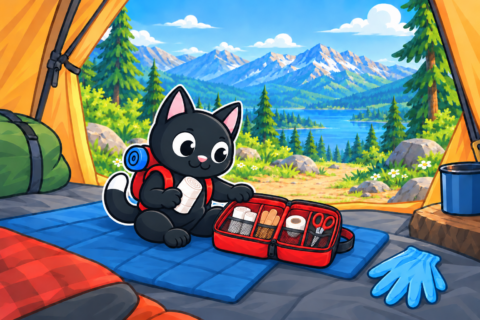

Essential items must be accessible without placing the sleeping bag on wet ground. Keep the first aid kit in a location known to the entire group and within quick reach. Test access without emptying the pack. If someone asks for the kit, you should be able to name its pocket immediately.
Secure items outside
Keep external items to a minimum. Tighten a pad or tent poles with two independent straps and secure loose ends. Mugs, shoes, and bottles swinging from carabiners upset balance and catch on branches. After attaching everything, walk around and listen for objects striking each other. Tighten loose strap ends before entering a narrow section.
Carry liquid fuel in a purpose-made sealed container, separated from food and protected from damage. Pack gas canisters according to the manufacturer’s instructions, shielding the valve and body. A wet fly can ride outside or in a separate bag if it is securely attached. If a container fails, food will remain safe in another compartment. The external fly must not swing while you walk.
Try the completed pack
Weigh it with the starting water and food. Put it on, adjust the belt and straps, then walk on stairs. If the top pulls backward, move heavy objects closer to your back. If it leans sideways, repack and restore the balance. Walk again after every change and check the result before a long hike.
Shake the pack by its handle over a soft surface. Nothing inside should roll and nothing outside should swing. Make sure you can reach water yourself and remove the backpack quickly. This short test shows whether soft items hold dense objects securely. If movements feel awkward, rearrange the load before departure while changes are easy.
Group organization
Assign shared equipment on a list with names. The person carrying the fly should know where the poles are and who has the stakes. Before departure, confirm the stove, fuel, first aid kit, filter, and all tent parts aloud. Finish this shared check before boarding transport, while a missing item can still be found.

Return items to their usual places each evening. A simple system saves time when darkness or rain arrives and helps reveal a loss before the next crossing. After a shared dinner, return the lamp and cookware to their assigned locations. It will then be easier to notice in the morning if something remains beside the tent.
Repack as supplies are consumed
Food and water decrease, changing the balance every day. Before leaving camp, tighten compression straps and check symmetry again. Half-full bottles can slosh and shift weight; secure them upright. As supplies are consumed, fill the resulting gaps with soft items.
Return items that dried overnight to the dry core and keep wet ones isolated. Seal rubbish and position it away from cookware. A few minutes of morning packing make the first kilometers calmer and reduce the chance of leaving a small item in the grass.
Walk a circle around the campsite before leaving. Look beneath the backpack area, by the kitchen, and beside the tent. A stake, glove, or bag often appears after the main check is finished. This short sweep is especially useful after packing in a hurry or in rain.