For a first experience of the Lycian Way, choose accessible, undemanding stages. A short route near settlements provides clear exit options and lets you test your pace. Afterward, it is easier to decide whether you are ready for several days with a backpack.
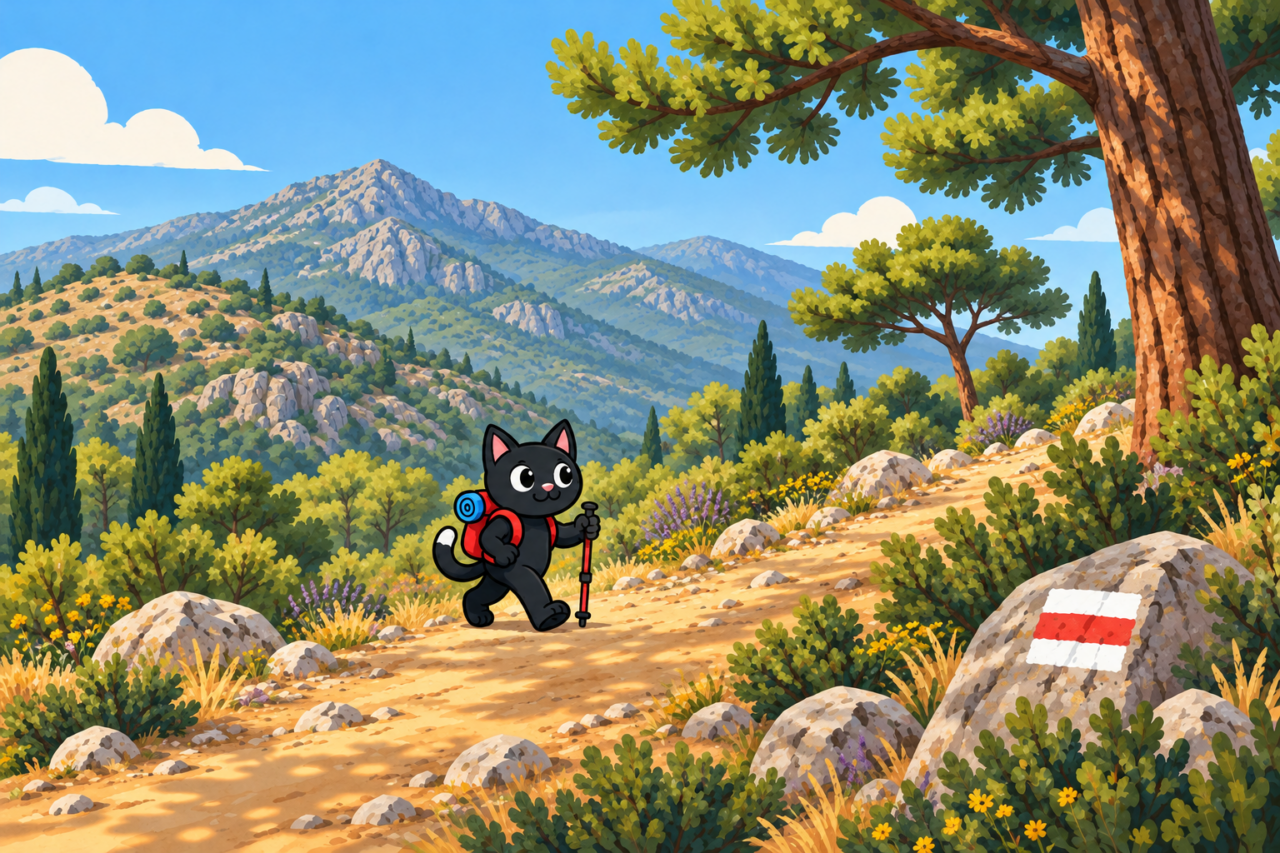
Around Patara
The rural roads near Gelemiş and ancient Patara are suitable for a walk lasting several hours. The terrain is relatively gentle, with accommodation and transport nearby. The archaeological site and beach have their own access rules and hours, which you should check before setting out. There is little shade on the open plain, so start early. A late start means exploring the ruins under the midday sun.
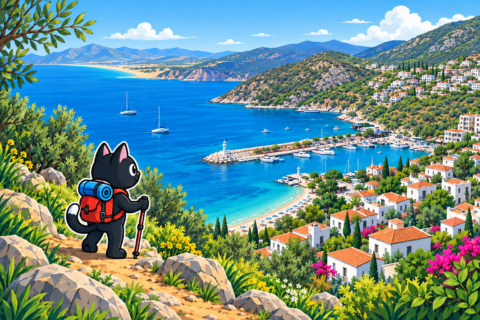

Üçağız and Kekova
Short coastal routes pass among olive trees and Lycian tombs. You can combine the walk with a boat trip, confirming the timetable in advance so you are not left waiting beside the bay. The stone is sharp in places, and you must carry your water supply from the village. Include the return journey in your calculation if you are walking back to the same settlement. Observe the rules for protected ruins and any swimming restrictions.
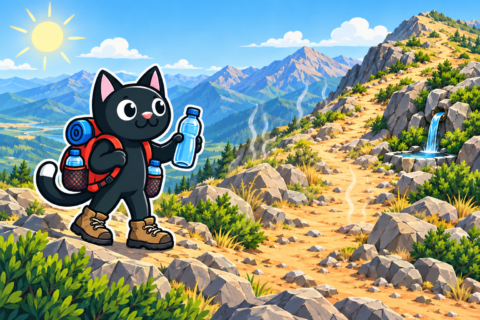
Çıralı and Ulupınar
The forest paths above Çıralı allow you to choose a moderate climb and return to your accommodation the same day. Yanartaş has an equipped approach suitable for a short evening walk. A flashlight lets you see your footing after dark. Longer routes to mountain villages require confident navigation and transport arranged in advance.

Planning a First Multi-Day Hike
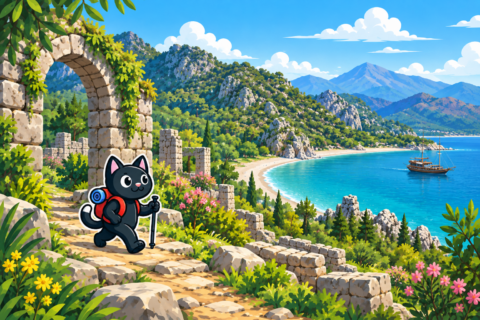
Limit your first multi-day hike to two or three days with short stages. Guesthouses in places accessible by road are convenient: if you tire on a climb, the route will be easier to shorten. Arrange accommodation, breakfast, and water refills in advance. One reserve day takes pressure off the schedule. If you need to shorten a stage, the road beside the guesthouse lets you change the plan without a difficult search for an exit.
Basic Skills
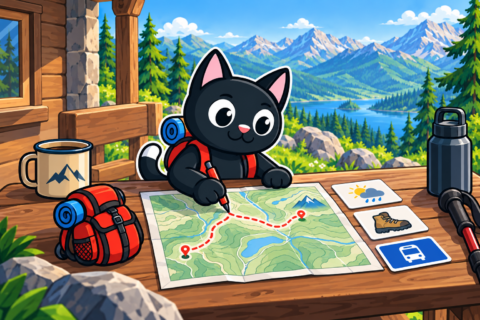
- read an offline map confidently and compare it with the waymarks, so you notice a discrepancy immediately at a junction;
- judge your pace according to elevation gain and heat, since kilometers feel different after a climb than on a level road;
- treat water from natural sources, because clarity alone does not show that water is safe;
- look after your feet and notice the first signs of overheating, since rubbing is better discovered before the next long stage;
- turn back if the weather deteriorates or you lose the route, as returning to the last marker is safer than taking an unfamiliar shortcut.






What to Bring
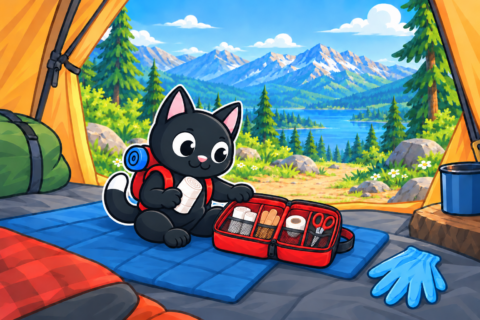
Bring broken-in footwear with grippy soles, a small backpack, sun protection, a warm layer, a flashlight, a first aid kit, and a power bank. Calculate water to the next confirmed source and add a reserve. Test new footwear and unfamiliar gear before the trip. A short walk near home may reveal a rubbing strap while it is still easy to repack the backpack.
Common Mistakes on a First Hike
An overly heavy backpack quickly changes your gait and increases the risk of a fall. Extra weight makes it harder to keep your balance on a rocky slope. A rigid schedule pushes people to continue in heat or darkness. Another common mistake is trusting one map without checking waymarks and local conditions. Simple reserves of water, time, and money solve most of these problems.

Do not split up at a junction, and tell someone at home about route changes. When members take different paths, it becomes harder to compare and agree on the route. If the path no longer matches the map, return to the last point you were sure of. A shortcut over scree or through brush is often slower and more dangerous.


Begin training at home with walks on stairs and uneven paths, gradually increasing the duration. Several outings with a fully packed backpack will show where the straps rub and whether your footwear is comfortable. The ability to stay on your feet for several hours matters more than athletic speed. During training, check whether your footing remains steady near the end of a walk with a full pack.

On the first day, stop before reaching your planned maximum. Your body is still adjusting to the local heat, rock, and backpack weight. A calm start usually improves the pace on later stages. The remaining time can be used to correct problems with your gear.
Before setting out, check the forecast, transport, access, permits, and forest closures. Leave the route with someone at home and arrange a check-in time. It is pleasant to finish a first hike with enough energy for another day. That makes it easier to preserve the desire to return to the trail.


