Sections of the Lycian Way differ considerably in terrain, scenery, and difficulty. One follows a steep slope above the sea, while another crosses villages and open plateaus. Match your choice to the season, your experience, and the time available before buying tickets and booking accommodation.
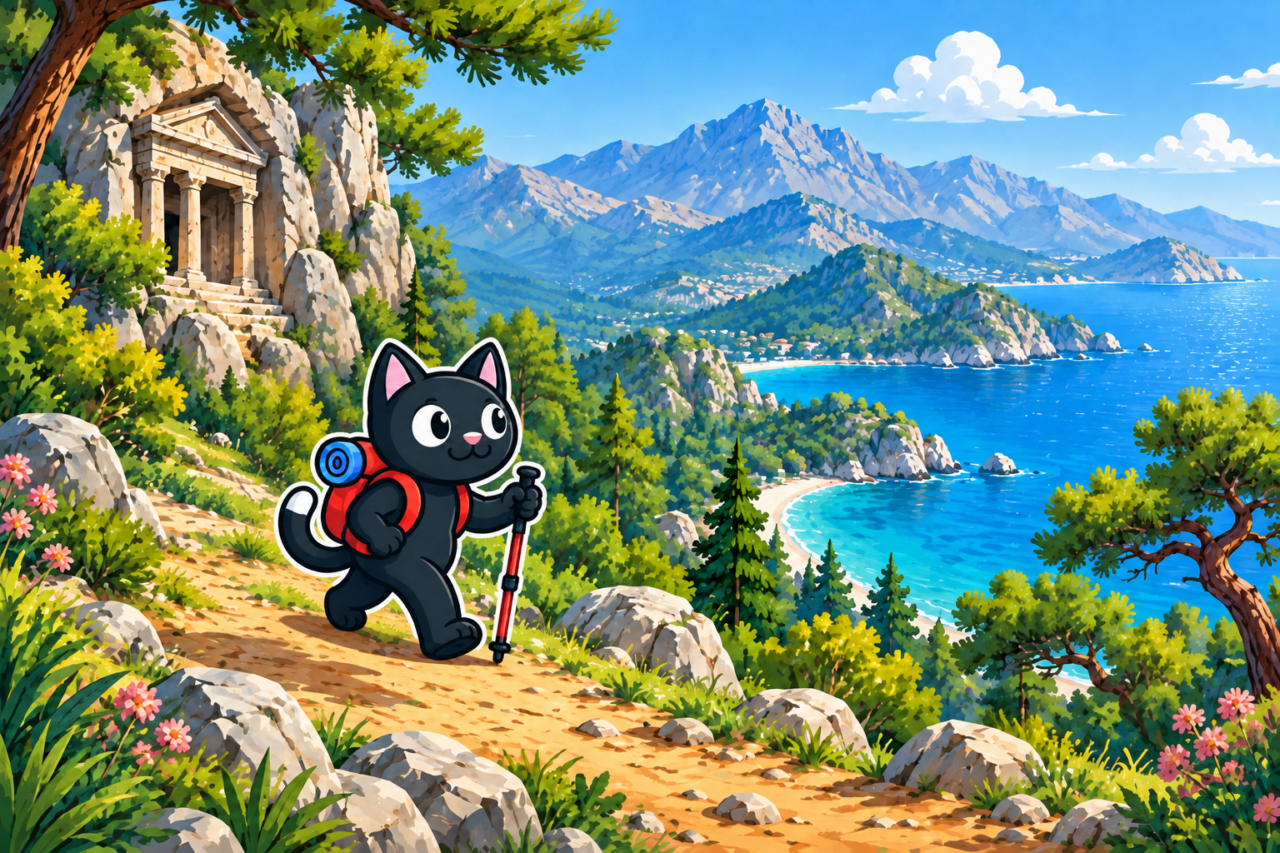
Faralya and Kabak Valley
The western trail around Faralya and Kabak is known for high views over the sea and steep slopes. The hikes are beautiful, but some places require sure footing and comfort with heights. Rock becomes slippery after rain, and you must choose each foothold more carefully on the descent. Check recent information about trail conditions and detours. A beautiful view does not make a steep section suitable for someone who is uncomfortable with heights.


Patara, Kalkan, and the Plateaus
Here, ancient ruins meet rural roads and open views. The area suits people who enjoy alternating between history and nature. You will find almost no shade on the crossing from the monuments to the plateau. Water sources are seasonal, and descents to the coast can be abrupt. Flowers appear in spring; in autumn, the sea remains warm while the sunlight softens.
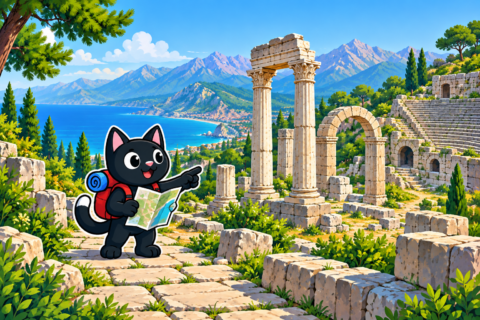

Aperlai and Kekova
Near Üçağız, the trail follows quiet bays, olive groves, and Lycian tombs. Water and shops are scarce, so plan your supply before leaving the village. You can stay in a small guesthouse or take a boat for part of the journey. If the day ends beside a bay, know the boat time or your overnight arrangements in advance. Before hiking through protected archaeological sites, check the rules for access and swimming.
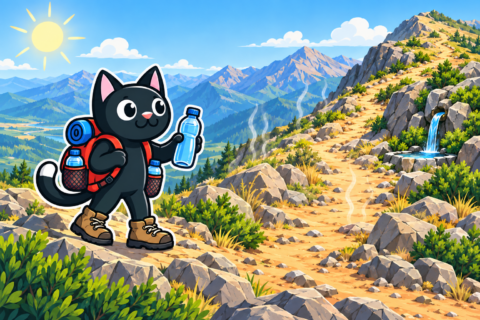
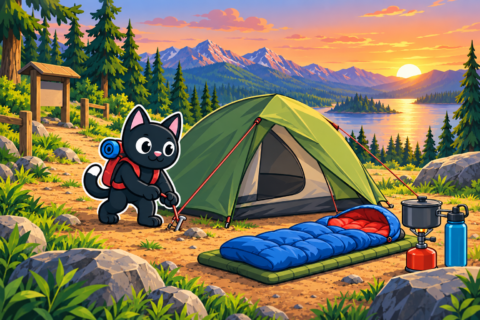
Çıralı, Olympos, and Adrasan
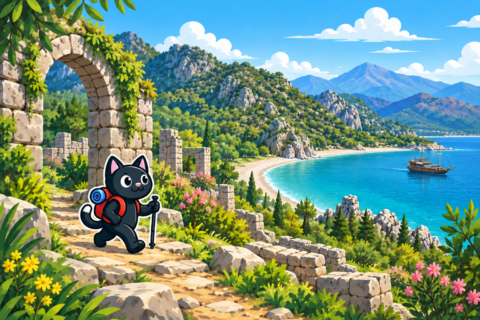
This section combines forest, beaches, and ancient cities. Its routes include long climbs, and summer humidity intensifies the heat. Your usual pace may be too fast on a prolonged slope. Between Çıralı and the mountain villages, you can build routes lasting one or several days. Forest closures and fire restrictions take precedence over the track.

Göynük and the Mountain Approaches
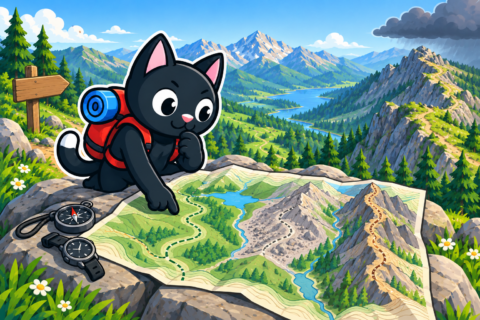
Two northeastern sections of the Lycian Way meet near the canyon. The route toward Göynük Yaylası connects the canyon with Gedelme, while another climbs through Sarıçınar to Hisarçandır. Reception is weak here, and the weather changes quickly. Mountain paths, rocky descents, and point-to-point logistics demand good preparation and confident navigation.



Selection Criteria
- Assess elevation and exposure, the surface, and stage lengths, since your usual distance will take longer on a steep slope;
- Avoid exposed crossings in extreme heat and high routes in winter weather;
- Verify water sources and shops for each day’s section, as there may be nowhere to replenish supplies before the next village;
- Check transport, accommodation, permits, and alternative exits, so usable exit points are available if the plan changes;
- Use recent reports and official closure notices, since an old record may lead to a closed passage.


How Many Days to Allow
For a first trip, three to five hiking days in one area are enough. In that time, you can learn your pace on the local terrain and shorten a stage if necessary. If the first climb takes longer than estimated, plan a more modest next section. Traveling between distant parts of the trail takes a great deal of time. Two adjoining sections usually provide a more coherent experience than scattered destinations.
A reserve day is especially useful when the route depends on a boat or mountain weather. If a sailing is canceled, the extra day lets you move a meeting or overnight stay without rushing. You can spend it in a village, among ruins, or on a short walk. When no delay occurs, the time becomes a rest day before the journey home. Spending it near your chosen section is easier than arranging another long transfer.
When comparing tracks, pay attention to the recording date. A fire, construction work, landslide, or new fence may have changed the route. Even a recent report does not replace checks on the ground. An official closure takes precedence over a digital line, and you should find a safe detour with the help of local specialists.
A section’s popularity affects the experience. Well-known bays have better infrastructure and more people, while remote plateaus require independence. Decide honestly how much solitude feels comfortable for you. If you value the chance to meet others and use established facilities, a famous bay is a better match. On a remote plateau, everyday decisions about water and accommodation will more often be yours alone.
The most memorable section is the one for which you leave enough time. A slow day lets you notice old masonry among the grass, a turtle track on the sand, and a distant boat. By evening, the light turns the limestone gold.


