Blisters and chafing are easier to stop at the first signs than to treat during a hike. This guide covers prevention and basic care for damaged skin.

Prevent the problem before departure
Break in footwear on short walks with the socks you will carry. This reveals pressure and folds in conditions close to the route. The heel should remain stable, with some room for toes, especially on descents. Test new insoles, socks, and lacing methods in advance. Pressure that begins on a walk may intensify on a long trail.

- Trim toenails several days before departure.
- Carry spare socks and keep them dry.
- Remove sand and small stones at the first discomfort.
- Adjust lacing for climbs and descents without causing numbness.
- Test dressings or tape on sensitive skin beforehand.

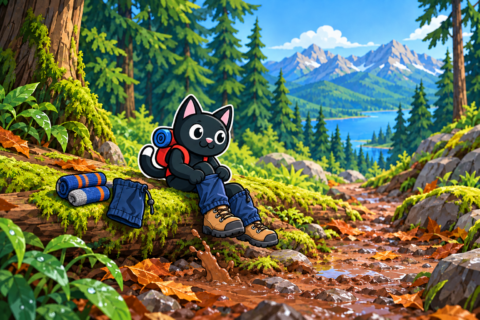
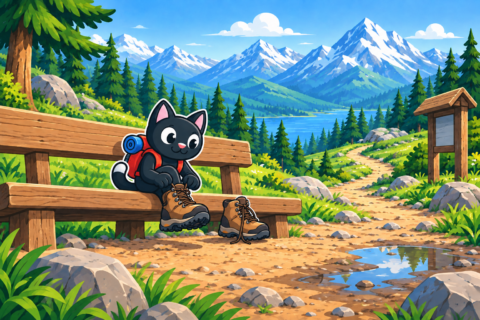
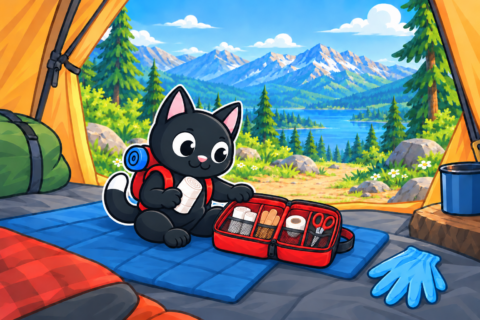
Protect areas that commonly rub with a suitable dressing or specialist material before walking. Apply it to clean, dry skin with smooth edges. On a familiar descent, this can prevent repeated friction at a vulnerable point. A patch that folds can itself create pressure, so check the feeling inside the footwear before starting.
Treat a hot spot
At a hot spot, stop, clean, and dry the skin. Inspect the sock, seam, insole fold, and footwear interior because any may cause friction. Remove the pressure and cover the sensitive point with a dressing or soft doughnut pad that unloads it. Make sure this has not made the footwear tighter. Even a neat dressing fails if it presses the foot against the same irritant.
Reassess after several minutes of walking. Pain should decrease and the gait remain normal. If discomfort grows, change the dressing, pace, or route. A climb may place pressure back on the injury even when everything felt comfortable at rest. Endurance rarely helps; every step deepens the damage.

If a blister has formed
Intact skin over a blister protects the surface below. Clean and dry the area, then cover it with a non-adherent dressing or suitable hydrocolloid product according to its instructions. A soft ring transfers pressure to the surrounding skin when the boot touches the painful area. Check that walking remains comfortable. Do not attach aggressive tape to damaged skin, as removal can injure it further.
Opening a blister yourself increases infection risk. A large, extremely painful blister or one that prevents walking is best assessed by a medical professional. If it bursts on its own, wash your hands, gently irrigate with clean water, preserve viable overlying skin, and apply a sterile non-adherent dressing. Change it when wet or dirty. After a damp section, inspect it at a break once the footwear is off.


Watch for infection
Increasing redness, warmth, swelling, pus, red streaks, worsening pain, and fever require medical assessment. If yesterday’s blister hurts more today and the surrounding skin reddens, do not delay. People with diabetes, poor circulation, reduced foot sensation, or a weakened immune system should seek help earlier and agree on care with a clinician in advance. Note changing symptoms and dressing condition during inspection.

Adjust the plan
Reduce pace and stride length and redistribute some load. This places less pressure on the painful area with each step. A short safe exit can protect the skin better than any dressing. An altered gait increases strain on the knees and ankle, so severe pain is a reason to end the route. If someone already limps on level trail, difficult ground ahead can increase the load.
In the evening, remove the dressing according to its instructions and inspect the skin. Dry the footwear and prepare clean socks so dampness does not increase friction in the morning. After the hike, identify the cause: boot size, a fold, moisture, or starting too quickly. Correct it before the next route or the familiar hot spot may return within hours.
What to put in a foot-care kit
Pack dressings in several shapes, non-adherent pads, suitable tape, soft material for a pressure-relief ring, small scissors, and gloves. Keep packages dry and labeled so the right product is easy to find. Use hydrocolloid products according to their instructions; some remain in place for a long time and are removed differently from ordinary dressings. If replacement is needed on the move, the packaging explains the correct method. Choose materials for your known rubbing points.
Check the skin the next morning. Less pain at rest does not mean it is ready for a long crossing because pressure returns with the first steps. Begin carefully, stop after several minutes, and assess the gait. If burning returns, change the plan before the wound reopens. An uneven gait during this short test already provides enough information.
Clean camp footwear gives feet a rest when it protects the toes and suits the surface. After a day in boots, it removes the previous pressure. Air and keep the skin warm. Do not walk barefoot near fire, sharp stones, or a shared campsite where another injury is easy. Before returning to hiking footwear, ensure feet and socks are dry.