A campfire is appropriate only where it is permitted and genuinely necessary. This guide covers safe fire use and lower-impact alternatives.
Check rules and conditions
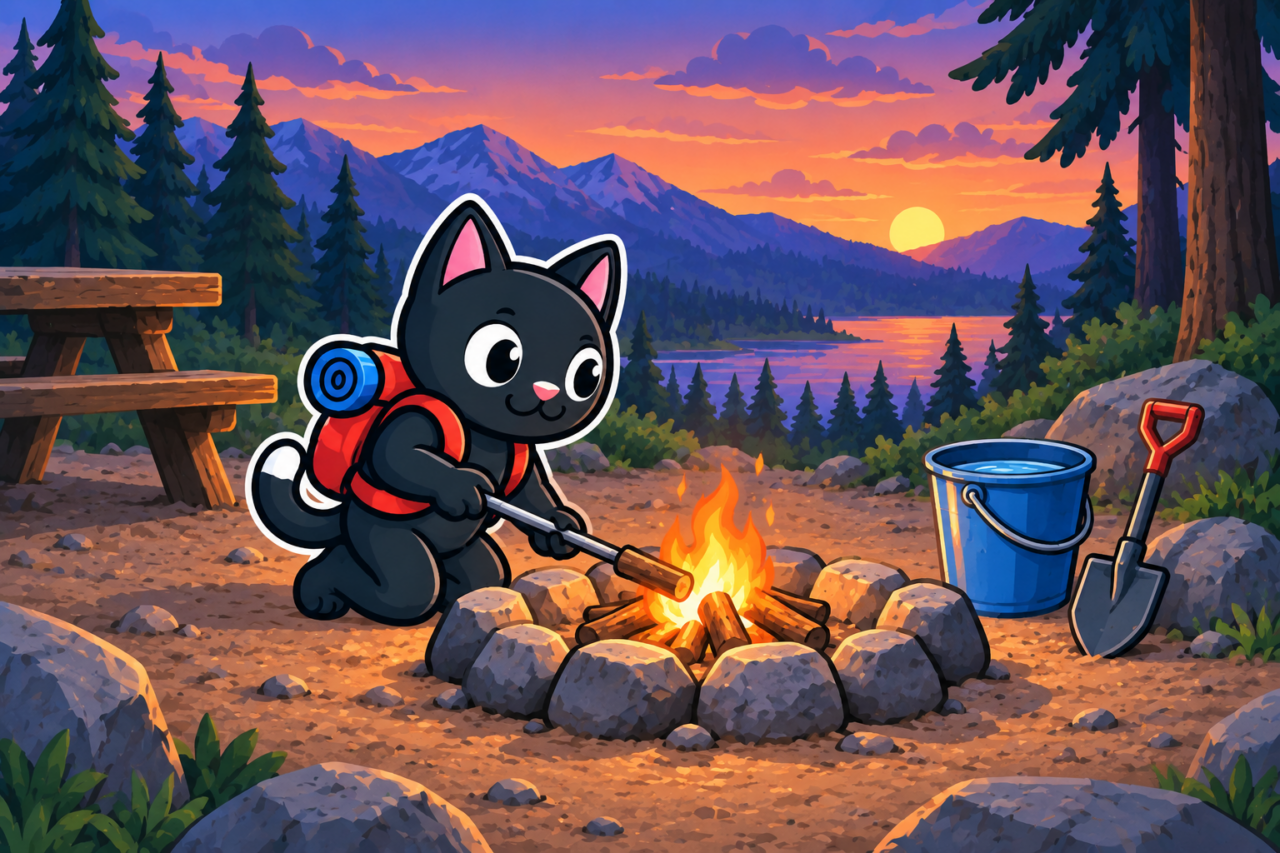
Before departure, check the official fire-danger level, temporary bans, and permitted flame types. Restrictions may cover campfires, charcoal grills, and some stoves, so verify your equipment. An old fire ring or someone else’s nearby fire does not prove that flame is currently allowed. Avoid fire in strong wind, drought, or without ample water. A familiar campsite may receive a new ban after conditions change.

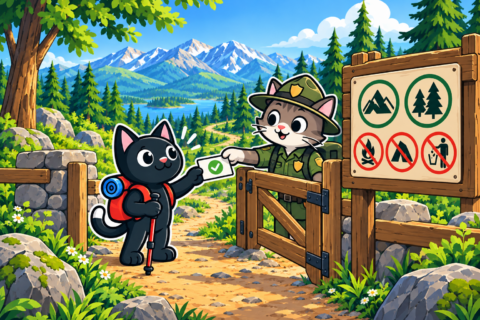

Assess the group’s energy and the time available to monitor the site. A fire needs constant attention until completely cold, continuing after dinner. If people intend to sleep or leave, or need to conserve water, do not light it. A late-evening decision determines how long someone must remain on watch.
Choose an established site
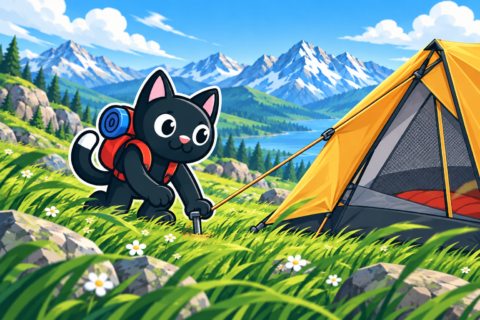
Use an existing designated fire ring where rules permit. Clear the required area of dry grass, needles, leaves, and overhanging branches. Avoid peat, roots, rotten stumps, and ground beneath trees because embers can travel underground and reappear hours after the surface looks cold. Assess the base before ignition.
Keep water and a tool for stirring coals beside you. A stone slab is unsuitable: damp rock may split from heat and black marks remain. Check wind direction so sparks travel away from tents, forest, and dry slopes. Extinguish the fire if gusts become variable and no safe direction remains. This control matters especially while cooking near tents.
Gather fuel responsibly
Where collection is allowed, take only dead dry branches of suitable size from the ground. Live branches smoke and cutting them damages plants. Do not strip bark, fell standing trees, or dismantle deadwood important to the ecosystem. Popular sites may require imported or locally purchased firewood to prevent depletion and pest movement. Check before traveling.
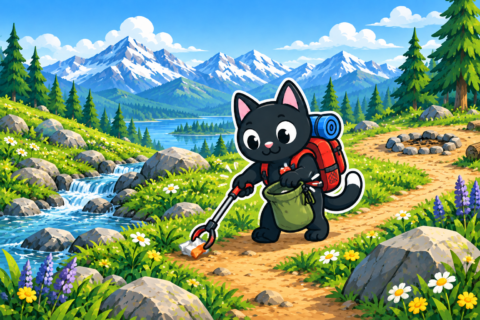
Prepare three sizes: fine dry kindling, slightly larger twigs, and main fuel. This supports a small flame through gradual additions. Never use flammable liquids, which can flash and injure people. Plastic and rubbish release toxic smoke and leave pollution. Gathering everything first prevents leaving the fire to search.
Keep the fire small
Light the smallest flame adequate for the task. Add branches gradually and keep them fully inside the ring. Assign one adult who remains beside the fire. Keep children and animals at a safe distance and clear surrounding paths of backpacks and guylines. An open route prevents accidental contact while carrying hot cookware.
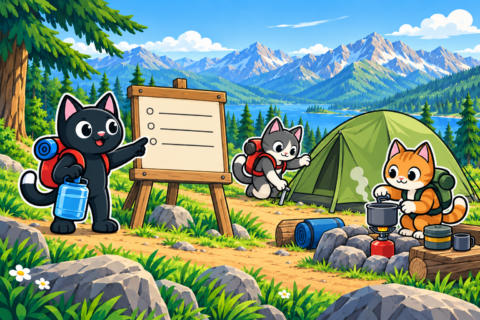
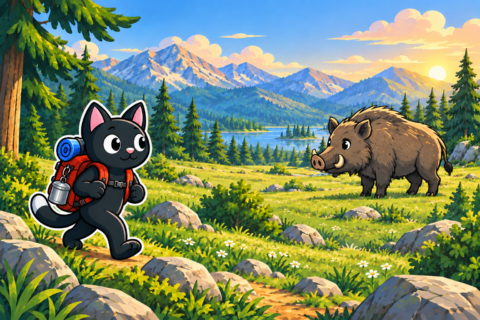
Never leave a fire unattended, even briefly. A spark can enter grass and a gust can spread light coals. The responsible adult remains until full extinguishment. At any doubt, put the flame out while it remains controllable.
Extinguish it completely
- Stop adding fuel early and let wood burn to small coals.
- Soak the coals with plenty of water.
- Stir the ash and soak it again.
- Without touching ash or coals, confirm that no heat remains.
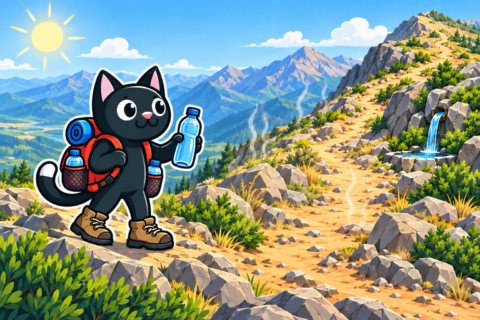
Begin well before leaving or sleeping. Soil does not replace water because buried ash can continue smoldering. If the area remains hot, repeat soaking and stirring. Leave only when the site is completely cold; calm-looking ash can hide heat.
If vegetation catches fire: warn people immediately, leave by a safe route, call emergency services, and follow instructions. A spreading fire can change campsite conditions rapidly. Do not fight it alone; move the group to safety.

Plan an evening without fire
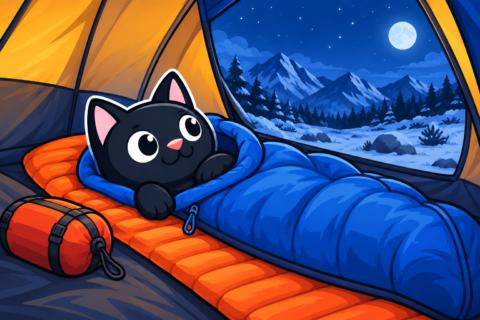
Warm stove-cooked food, dry insulation, and entering the sleeping bag early provide predictable warmth. Headlamps create soft shared light for conversation. This plan works especially well above the tree line, in wind, and where wood is scarce. If fire is prohibited, your existing equipment can still provide a comfortable evening. Use the stove only where current rules permit it.
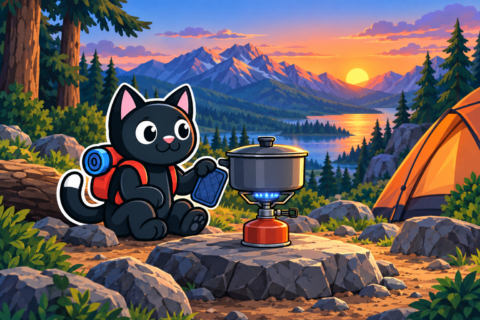
Test the stove outdoors before the trip and carry suitable fuel and a stable base. Preparation avoids diagnosing a fault during dinner. Never use it inside a tent or poorly ventilated shelter because of fire, burns, and carbon monoxide. Follow the manufacturer’s operating instructions.