Climbing and descending technique affects fatigue, stability, and safety. This guide explains how to choose a pace, body position, and stride length.

Adjust your equipment
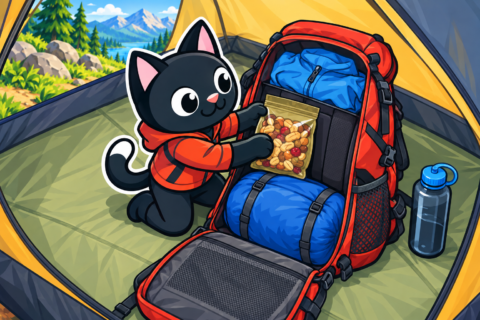
The backpack should sit close without swinging at every step. Stabilize heavy items, then adjust straps without constricting shoulders or chest. Vent clothing before climbing because excess heat quickly disrupts a calm pace. If a windy pass lies ahead, retrieve the protective layer while stopping is still convenient.


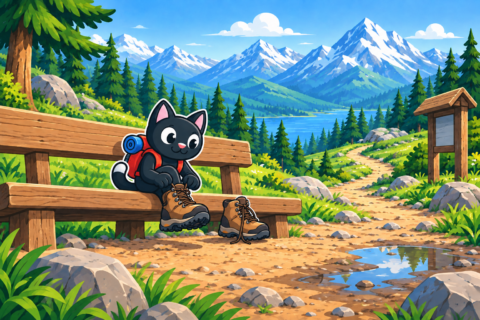
Lacing holds the heel on a climb and protects toes from striking the front on a descent, but it must not make the foot numb. Stop briefly after twenty minutes and readjust: the load will have settled and sensations become clearer. This reveals discomfort before a long section where stopping is harder.

Climb at a steady rhythm
Shorten the stride and place the full foot where the trail allows. Set the pace by the slowest participant so everyone can still speak in short phrases. Repeated acceleration followed by long stops lets bodies cool while fatigue grows. Calm, continuous movement preserves breathing and energy to the top.
Follow established switchbacks: shortcuts damage the slope and often slip. Where no trail exists, choose a line according to local rules, surface stability, and a safe exit. On loose rock, do not climb directly below another person. Even a short straight section requires attention to people above and below.

Trekking poles can unload the legs and support balance. Shorten them slightly while keeping a comfortable elbow angle. Use straps according to the instructions because their attachment affects the wrist. Release the hand in advance where a tip could catch and pull you.


Descend precisely
Bend the knees slightly, keep the torso over your support, and take shorter steps. Leaning far back reduces sole grip and makes recovering balance harder. Test a foothold before transferring weight. On a long slope, this keeps every step from becoming abrupt braking.

Move particularly slowly over wet roots, smooth slabs, and loose grit. A trail edge may be undercut while looking level from above. Do not jump from a step when several controlled movements are possible. Technique on very steep ground depends on terrain and training; turn back before the way becomes one-way if necessary.
Poles are generally lengthened slightly and placed ahead on descents without pulling the torso after them. Extra support distributes load on a sustained slope, but a tip cannot stabilize a loose stone. Assess its surface as carefully as a foothold before leaning on it.

Maintain spacing
Leave room between people on steep or loose slopes to avoid collisions during a fall and allow time to stop a rock. If a short hazardous zone must be crossed one at a time, wait until the previous person leaves it. Shout a warning when a stone moves. Retain spacing afterward even if the next steps look easier.
Regroup regularly at safe points, especially beyond junctions. Faster participants must not disappear over a rise, leaving others unsure where to go. In poor visibility, shorten intervals to voice contact. If fog hides the person ahead, voices maintain connection without rushing.
Watch fatigue
Frequent stumbles, heavy footfalls, irritability, and lost attention may reveal fatigue before the person reports it. Take a short break, drink, and eat. Redistribute load if that makes movement more secure. Choose a safe exit when coordination does not recover.
Pain in a knee, ankle, or foot alters gait and creates new strain. Speeding up only hides the problem for several steps, so stop and assess it. Revise the route for the person’s current movement. The summit remains where it is; a safe descent depends on the group’s decisions.

Prepare your body beforehand
Regular walks on stairs and hills gradually strengthen the legs and reveal a suitable pace. Increase distance and backpack weight in stages with recovery time. Several calm sessions before a major route are more useful than one exhausting trip that leaves joints sore. You will begin with experience under load and an understanding of your rhythm. Confirm recovery before adding weight on the next session.