A clear emergency call saves time and helps rescuers understand the situation quickly. This guide explains what information to prepare and how to act on the route.
Make the scene safe first
Stop and identify immediate threats: falling rocks, traffic, fire, an avalanche slope, fast water, or a storm. If rocks are falling near the injured person, remaining there also endangers the rest of the group. Move a casualty only for an immediate threat or on professional instruction. In a group, one person can assess the casualty, another prepare communications, and a third keep everyone together. If alone, perform the most urgent actions within your training and then call for help.
Seek professional help early for severe bleeding, breathing difficulty, or loss of consciousness. The same applies to marked confusion, suspected serious injury, rapid deterioration, or a situation in which continuing safely is no longer possible. A signal available now may disappear by darkness. Call while you can still contact rescuers.



What to tell the dispatcher
Use short phrases and answer questions in order. Begin with the location and nature of the incident so the dispatcher immediately understands where help is needed. With several people present, one can keep route details ready while another speaks. Provide:
- the calling phone number and contact person’s name;
- coordinates and their format, elevation, and nearby landmarks;
- the route name, start point, and last exactly known position;
- the number of participants and casualties, their condition, and main symptoms;
- the incident time and actions already taken;
- weather, visibility, site access, and available equipment.


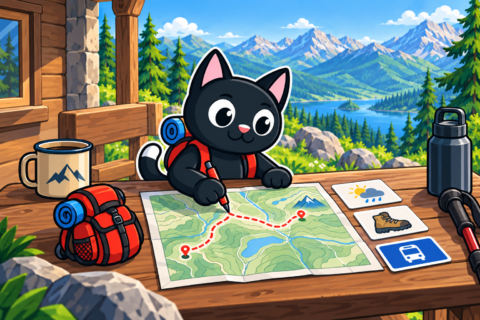

Read coordinates slowly and ask the dispatcher to repeat them so an error is caught. Apps display different formats, so name the one shown on your screen. If the exact location is unknown, say that the coordinates are approximate and describe the surrounding terrain. Nearby landmarks can distinguish your position among similar slopes.

Follow instructions
Some questions may seem secondary, but the answers help select resources and an approach route. Follow instructions where safe and report every change in the casualty’s condition. If they worsen during the call, the dispatcher must know immediately. End the call only when permitted so you receive all directions. If it drops, keep the phone available for a return call.
After reporting coordinates, stay where you are while it remains safe; moving complicates the search. Rising water, falling rocks, spreading fire, or another threat may force you to leave. Report the new direction and leave a visible, low-impact marker. Rescuers may already be traveling to the stated point, so they need the update immediately. Do not send one participant across unknown terrain to find a signal.
If the network is unstable
Try a voice call first, then a short message if local services accept requests that way. When normal service disappears, use a satellite communicator or emergency beacon according to its instructions and regional rules. After activation, remain at the transmitted position while it is safe.

Conserve phone power while awaiting a reply or the next agreed contact. Reduce brightness, close unnecessary apps, and protect the device from cold and moisture. Airplane mode can help between sessions if the dispatcher does not expect an immediate call. A dead phone cannot reconnect at the appointed time. Leave one phone active on the agreed channel so rescuers can reach the group.
Prepare to meet rescuers
Shelter the group from wind and precipitation, then prepare lights and bright items. At night, signal with a light after hearing or seeing a search team. In daylight, mark the place with visible clothing in an area away from steep edges and other hazards. Do not make a signal fire, as smoke and flame can create another emergency.

Important: contacting rescuers does not replace first aid. While they travel, act within your skills. Continue monitoring breathing, consciousness, and temperature after the call. Report changes during the wait so responders know what happens between the alert and arrival.
Practice the conversation
Before a difficult trip, ask one participant to state the coordinates, describe the route, and locate the first aid kit while the others listen. This short rehearsal may reveal a dead device, an unclear coordinate format, or a missing number. These gaps are easier to correct at home. If an emergency call is later needed, a familiar sequence leaves more attention for the casualty and dispatcher’s questions.