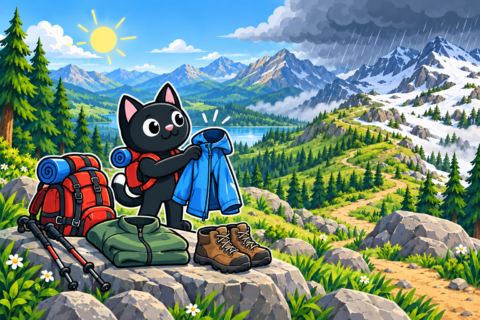
Clothing for a first hike should let you regulate warmth, protect you from wind and rain, and stay comfortable under a backpack.
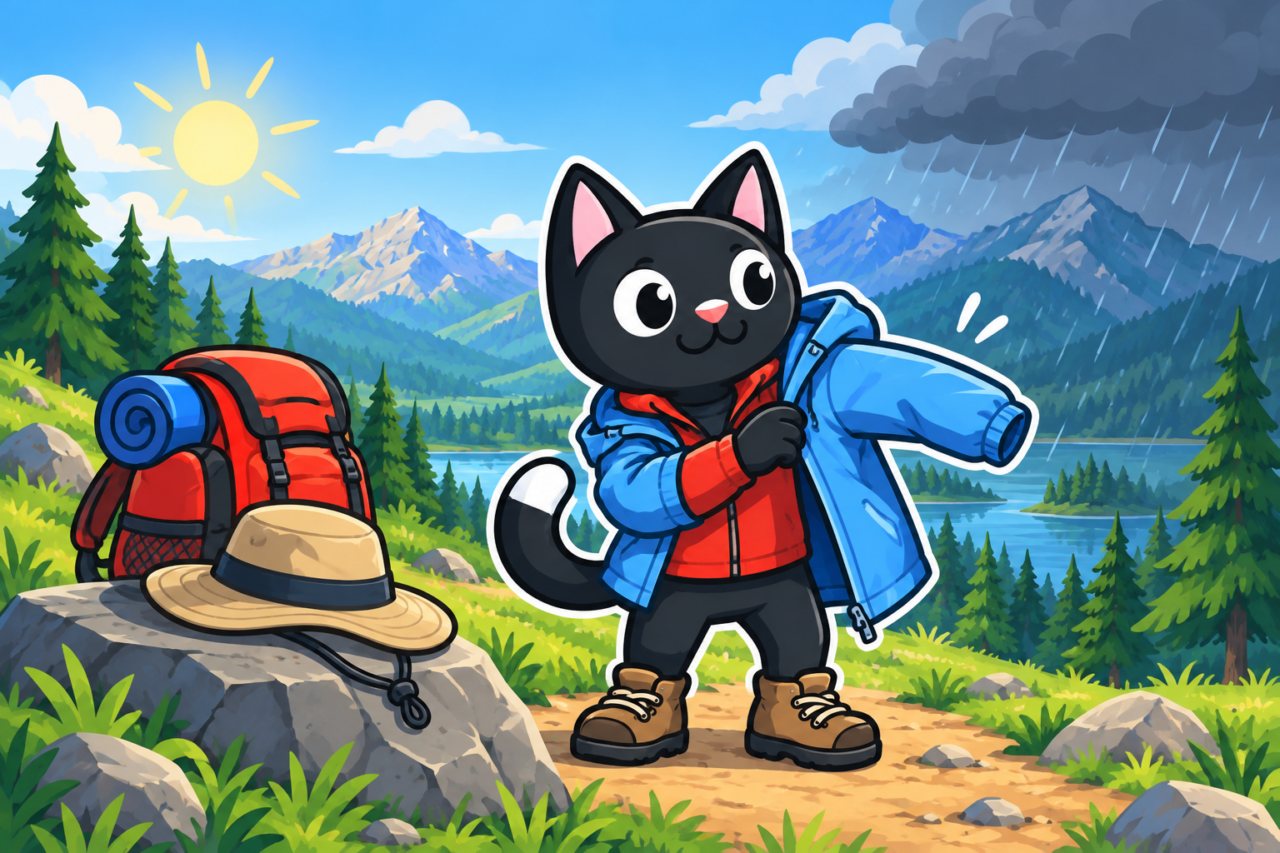
Build a Layering System
Start with a synthetic or lightweight wool T-shirt or long-sleeve top. These materials dry faster than cotton and are less likely to leave you chilled when you stop after a climb. Check where the seams and labels sit under your backpack straps; a spot that feels harmless at home can rub for hours on the trail.
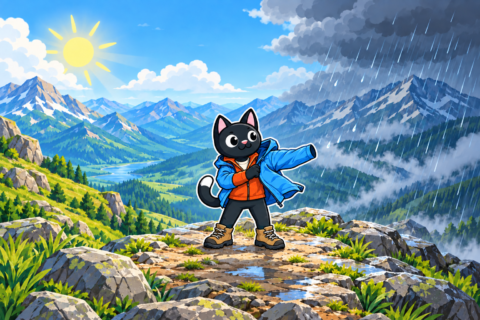
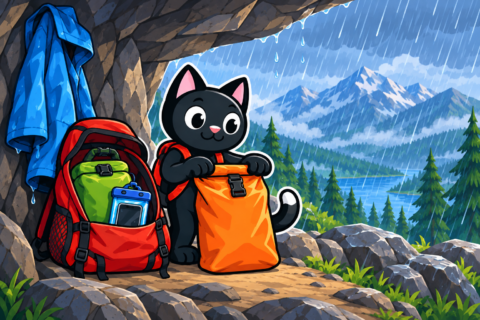
Add a fleece or light insulated jacket for breaks, exposed viewpoints, and the trip home. Choose it for the coldest part of the day, not just the temperature at the trailhead. Keep insulation dry in a waterproof bag. Your outer layer should be a hooded rain jacket that also blocks wind. Vent it on climbs, and keep it near the top of your pack so you can put it on before your other layers get wet.

Trousers and Spare Clothes
Wear trousers that let you lift a knee and take a long step without pulling. Quick-drying fabric is more useful than jeans, which become heavy and restrictive when wet. Lightweight long trousers can also protect your legs from sun, brush, and insects. Pack dry socks and a warm layer in a sealed bag; add rain trousers when prolonged rain, wet grass, or strong wind is likely.
Choose Footwear
Match your shoes to the surface. Grippy trail shoes may be enough for a dry, marked path, while loose rock, mud, or a heavier pack calls for more stability. Break in any pair before the hike and test it on a descent, where your feet slide forward. Your toes should not hit the front, and your heels should not lift noticeably.
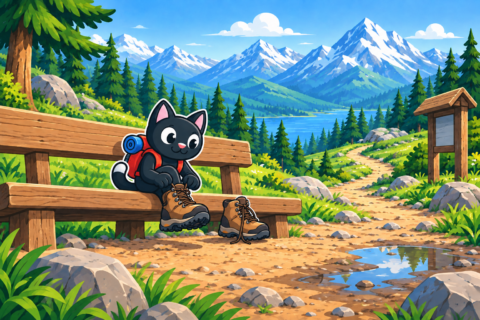
Choose socks without bulky seams and carry a dry pair. If you notice a hot spot, stop early, smooth the sock, and cover the irritated area before it becomes a blister. Waiting for the next long break only gives the same spot more time to rub.

Head, Hands, and Sun
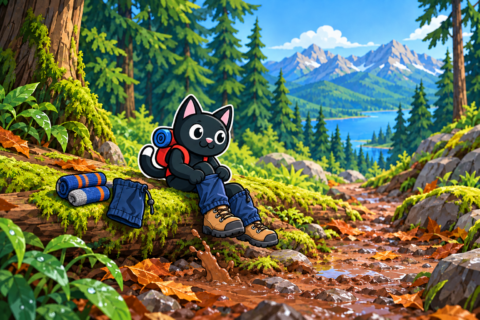
In warm weather, bring a brimmed hat or cap, sunglasses, and sunscreen. In cool or windy conditions, a thin hat, neck gaiter, and gloves add useful warmth for very little weight. Covered skin also reduces sun exposure and contact with ticks, though you should still check your body and clothing after the hike.
Add Protection for the Conditions
Check the forecast for the route area and elevation, then try the entire outfit with your loaded backpack. Walk long enough to notice tight fabric, awkward seams, restricted movement, or overheating. Make sure you can reach the rain jacket without unpacking everything.
Adjust layers before you become soaked with sweat or start to feel cold. Open a collar or remove the fleece before a long climb, then add warmth as soon as you stop on a windy summit. A system you have tested is easier to manage when the weather changes.