A hike with a child should be built around their abilities, curiosity, and energy. This article covers route choice, equipment, and the shape of the day.
Explain what will happen
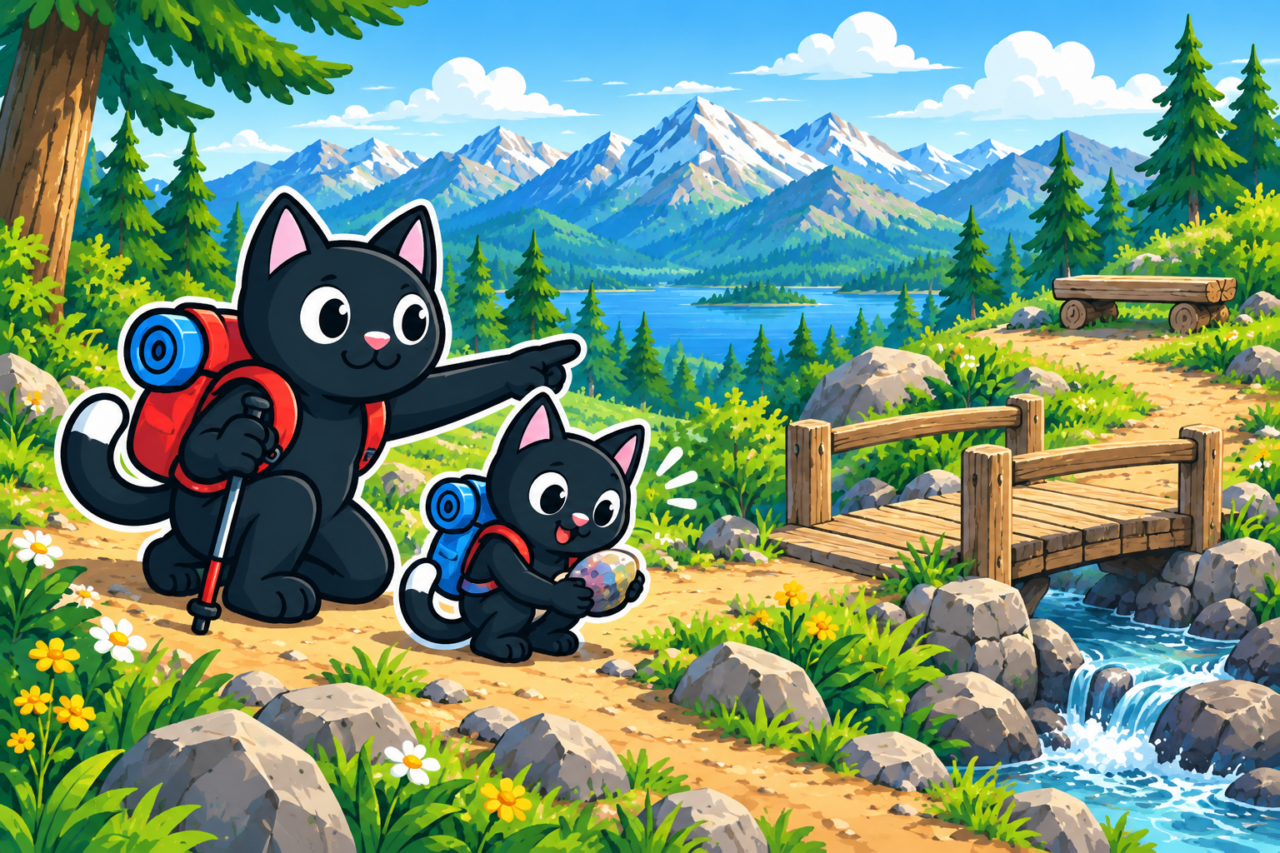
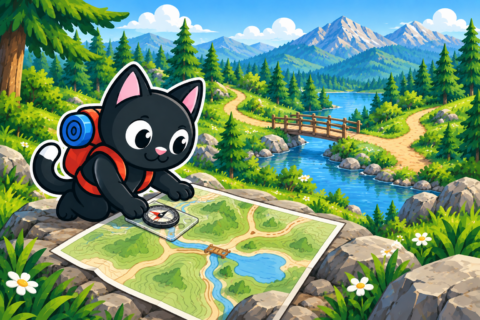
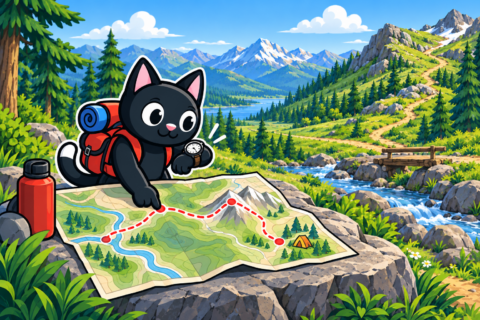
Before the trip, explain roughly how long you will walk, where you will stop, and how you will get home. Do not promise a lake, animals, or ice cream if they may not appear. Show photographs of the trail and offer the child a small task. A familiar point gives them something concrete to anticipate.
- find a small bridge;
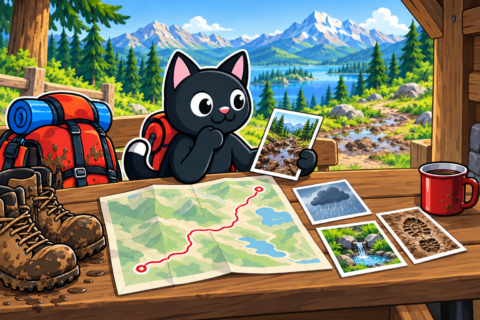
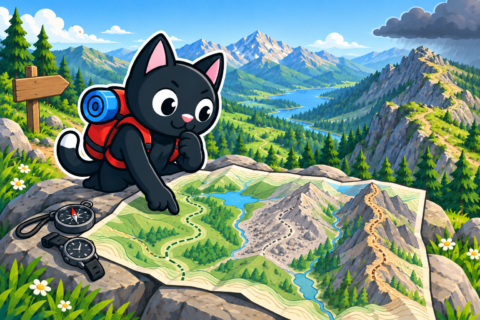
- mark breaks on the map;
- take a few photographs.
Do not turn the outing into a competition. Constantly counting kilometers leaves no time to stop where the child is interested. Choose one accessible place on the way and allow time to explore it. The hike is still successful even if you do not reach it; a nearby bridge can provide an engaging experience.
Agree among the adults
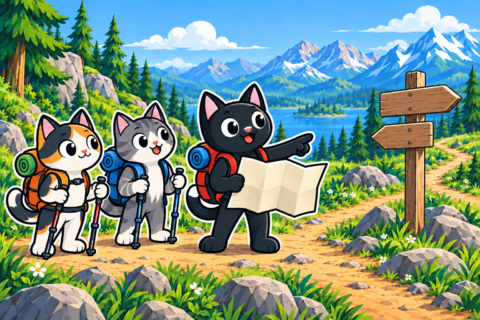
Decide who stays beside the child and who watches the route. In a large group, everyone may assume someone else is supervising. Stay together at junctions, water, and cliffs. If adults want to walk farther, decide at home how to split and how each part of the group will return.
The return plan must be realistic. If the plan is “we’ll carry them if they get tired,” test whether you can carry both the child and the gear on this trail. Try the carrier on a short walk first; it must be comfortable for both child and adult and will show how the weight feels.
Give the child a backpack only if it is comfortable. Start with a few light things they want to carry. Do not put shared food or equipment in it because adults must be ready to take the pack. If the child removes it halfway, the group should already have room for it.
On the trail
Stop before tiredness turns into distress. Offer water and snacks at regular breaks. Check for rubbing shoes or uncomfortable clothing: a child may say “I don’t want to walk” when a boot hurts but be unable to explain why. During the stop, ask specific, simple questions.
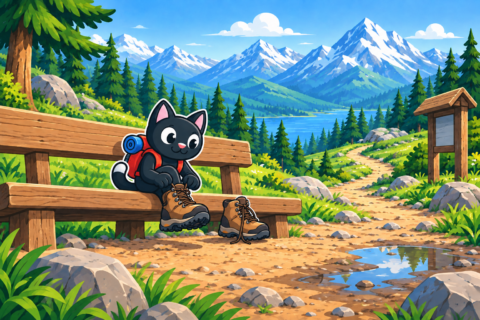
Leave time to examine tracks and plants. Such a stop may be more interesting than the distance covered. Before the walk, agree on simple rules for discoveries.
- do not taste unfamiliar things;
- do not touch animals;
- do not leave the trail without an adult.
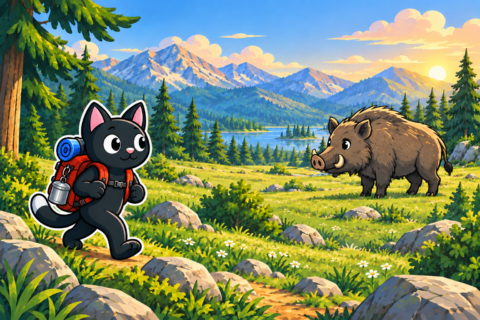
Build a collection with photographs: removing natural objects is prohibited in many areas. A photo lets the child revisit a discovery at home without taking it away, especially if they want to collect many examples.
After the walk
Ask what they liked and what bothered them. “The drive was too long” is useful feedback and suggests a closer trail next time. Do not lengthen a route simply because the child completed the previous one. If they want to repeat a familiar trail, do so: familiarity reduces anxiety and allows them to notice more.
Give the child a real role
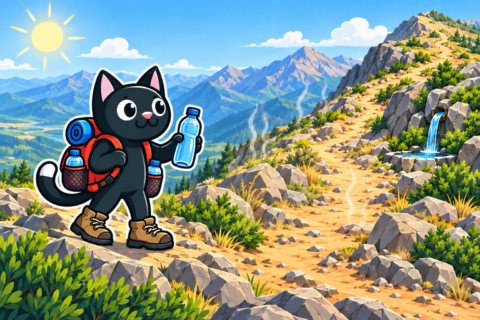
Manageable responsibility makes the journey more engaging. A child can watch for markers on an easy section, mark stops on a paper map, or carry their own water in a small pack. The task must suit their age and remain under adult supervision. Important shared items stay with adults.
Explain what to do after losing sight of the adults: stay in place, call out, and use a whistle with the agreed signal. Put a card with the accompanying adult’s name and phone number in a pocket. Count the group frequently, especially after breaks and at junctions.