A day hike needs no heavy camping equipment, but it still requires a complete plan. Here is how to prepare the route and pack the essential minimum.
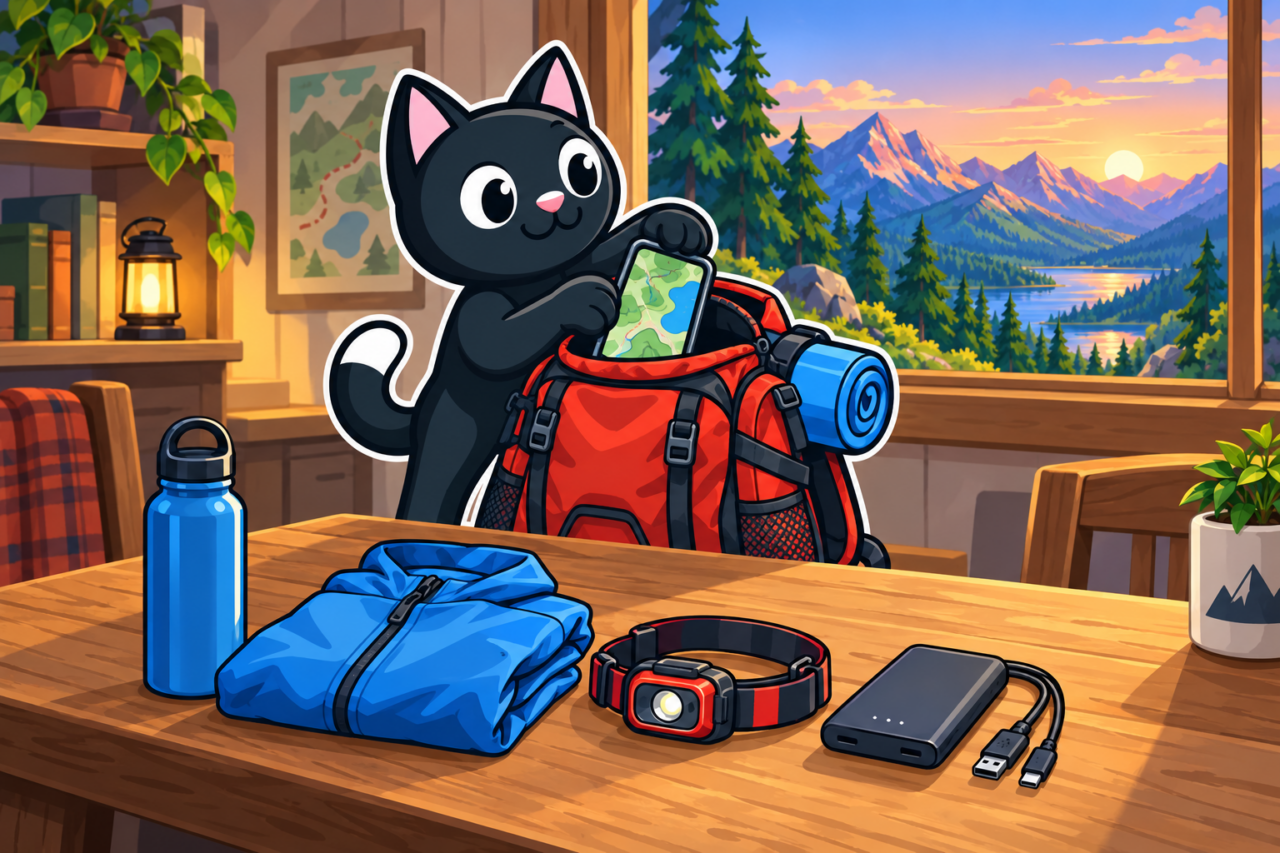
Important: check the forecast for the route itself. Weather can differ greatly a few dozen kilometers from town: it may be warm at the station but cold and windy on an exposed ridge after rain. Keep the protection selected for that forecast in an accessible part of the backpack.
The evening before
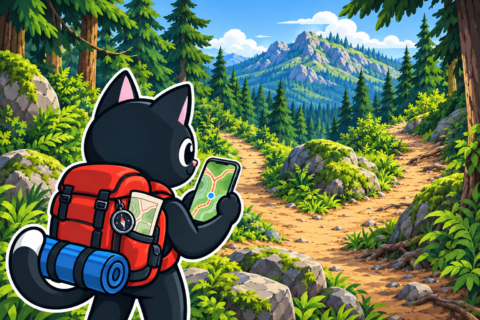
- Download the map and route for offline use.
- Open them in airplane mode to confirm the required area is saved. Also take screenshots of key junctions and the timetable.
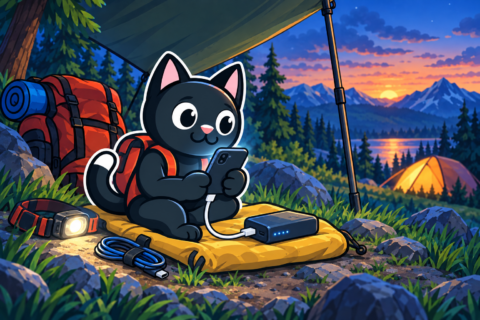
- Charge the phone and power bank and pack the correct cable.
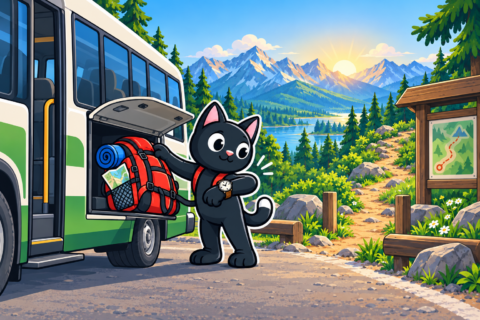
- Save the start address, transport timetable, and important contacts offline.
- Check the sunset time.
- Set a turnaround time.
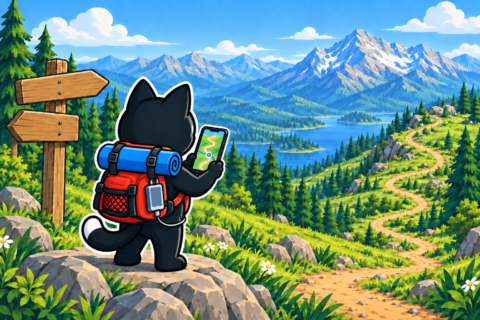
How to calculate the turnaround time
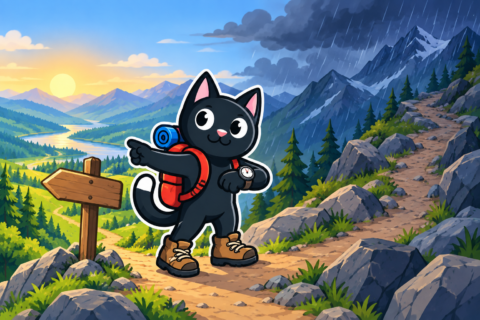
Turn back at the appointed time even if the destination is still ahead. Work backward from the finish and the return service, including the walk to the stop. This gives you a clear deadline at the junction.
- Determine when you must arrive, accounting for sunset and the last transport.
- Subtract the return time, then a margin for breaks and delays.
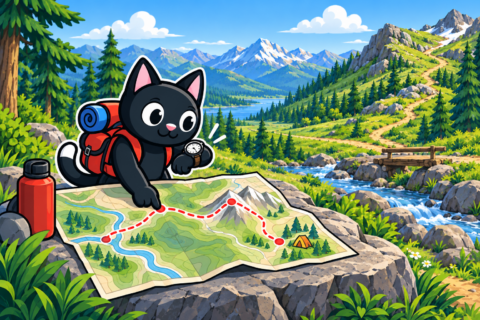
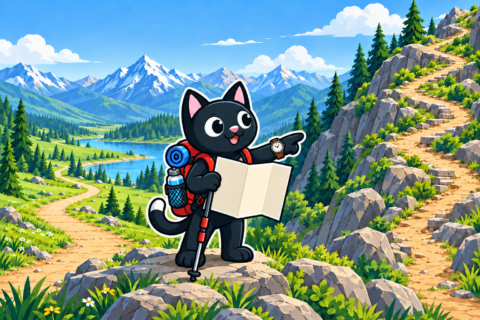
Allow at least as much time for the return because fatigue accumulates and a descent can take longer than a climb. A fast ascent does not guarantee an equally fast descent. The reserve prevents you from rushing on tired legs.
What to pack
For an ordinary walking route without technical sections, use a tested basic kit adapted to the weather and length of the day. Check these points before packing.
- water for the whole route or until a verified refill point;
- food for breaks plus a small reserve;
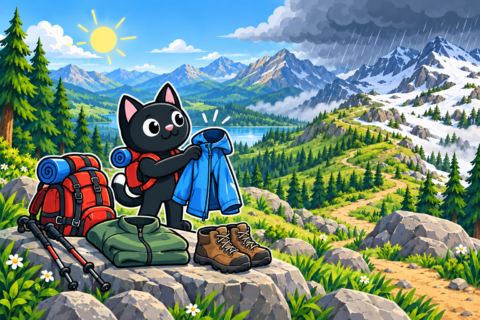
- rain jacket or shell and a warm layer for stops;
- a phone with navigation, power bank, and cable;
- a headlamp with tested batteries;
- a personal first-aid kit and regular medication;
- documents, money, and return-transport information;
- a bag to pack out your waste.
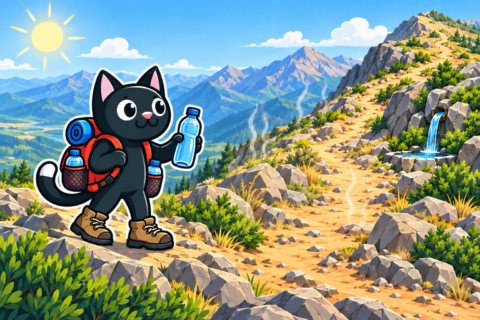

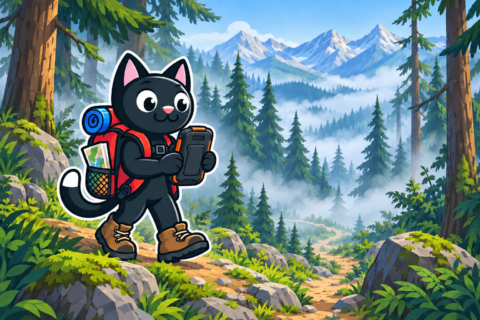
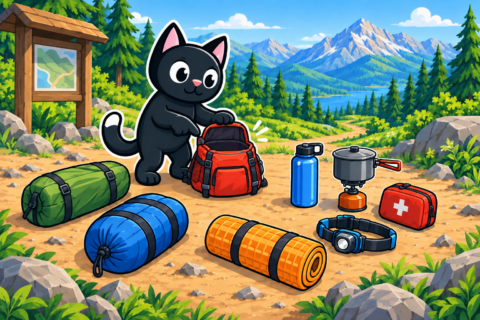
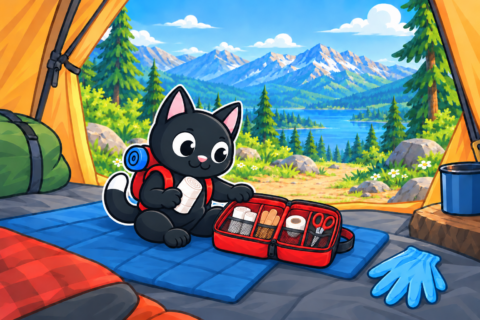
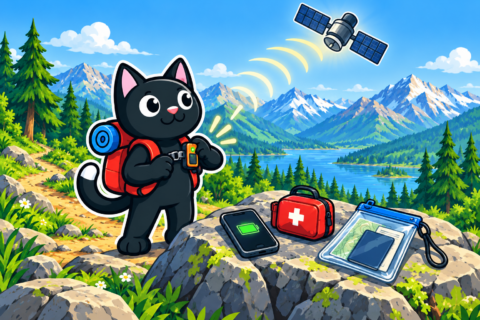
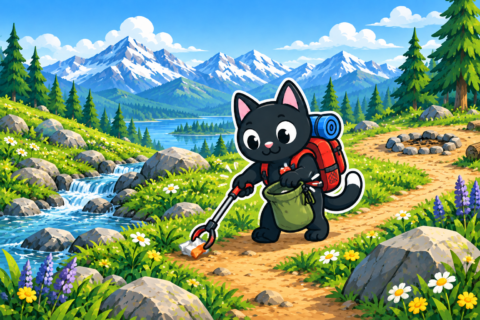
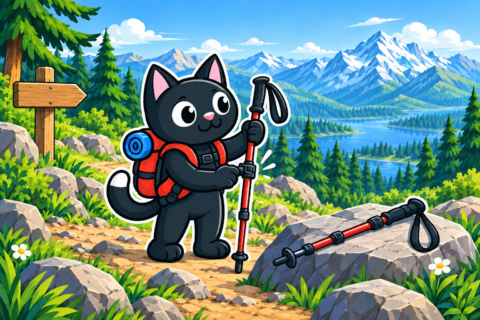
Add a hat, sunscreen, glasses, spare socks, gloves, or trekking poles as conditions require. Keep a separate winter and shoulder-season list for cold, snow, and short daylight. A lamp may be needed earlier in the cold season, so test it with the rest.
Tip: a headlamp weighs very little, while an hour’s delay becomes a serious problem without one. Switch it on before departure and check its power. Testing at home is quicker than diagnosing it after dark.
How much water to carry
Consumption depends on duration, heat, effort, and the individual. If you do not know your usual rate, choose a short route with an easy early exit. Each participant may drink differently, so use your own observations. Record what remains at the turnaround point to improve the next estimate.
A spring symbol does not guarantee water; the source may be dry or inaccessible. Check recent reports and decide how you will treat collected water. Your carried supply must last to the next verified point if the spring fails. Choose the treatment method before departure so you can test the equipment.
What food to bring
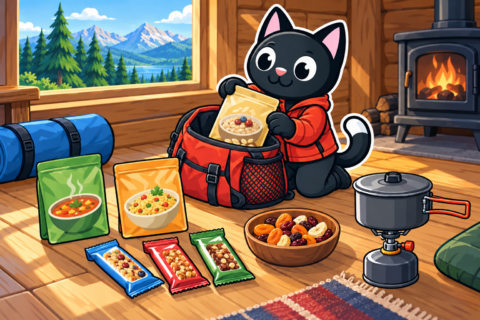
Most short day hikes need no stove. Food that is already ready to eat is easiest during a break. Choose items with these qualities.
- they do not leak or crumble throughout the backpack;
- they need no cooking;
- they tolerate heat.
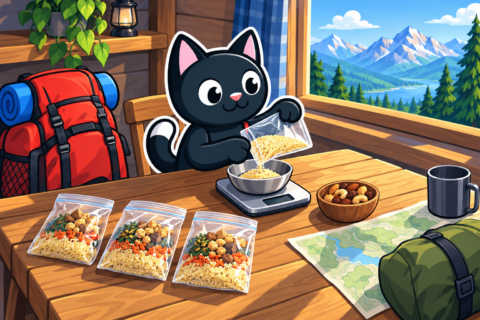
Cream desserts and soft cheese spoil on a warm day. Carry food you have already eaten during long walks. Test unfamiliar sports bars and mixes on an ordinary outing so you have time to replace anything that does not suit you.
Divide food into small portions so a short break does not require unpacking everything. Label or arrange one portion within reach and keep the rest off wet ground.
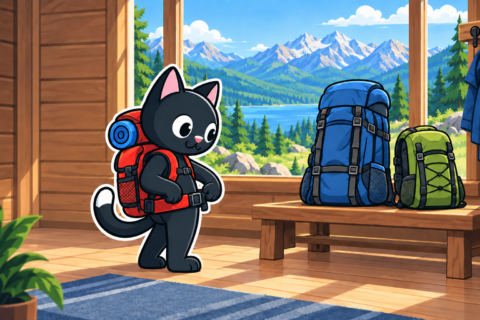
How to pack
- At the top: water and snacks, a warm top, and rain protection. A rain jacket at the bottom will be needed in the first shower.
- In a separate waterproof bag: documents and electronics. A backpack cover does not guarantee that everything inside remains dry.
- Divide shared items among participants. If one person carries the group first-aid kit, everyone should know who and where it is.
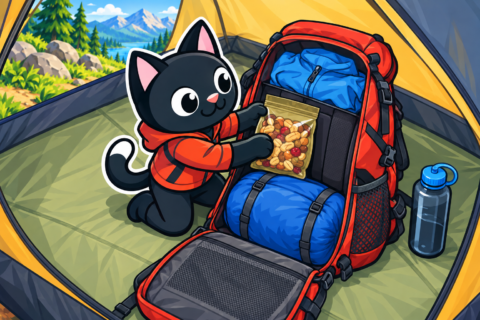
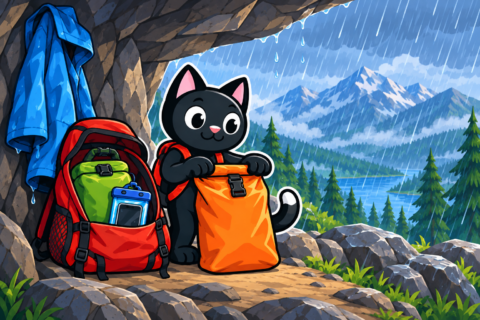
Each person carries their own water, weather protection, and medication. Check each personal kit before the start so separation from the group kit never leaves anyone without essential medicine.
Final check
Put on the packed backpack and walk around at home. Check whether the bottle swings, a hard box presses your back, or the hip belt is awkward. These problems take five minutes to correct before departure.
Keep the list. Afterward, mark what was missing and what was unnecessary, building your own checklist for the next outing. Record the day’s conditions beside it so the next list applies to a similar route.