Trail hygiene helps maintain health and comfort away from ordinary facilities. This guide explains how to care for yourself, equipment, and camp.
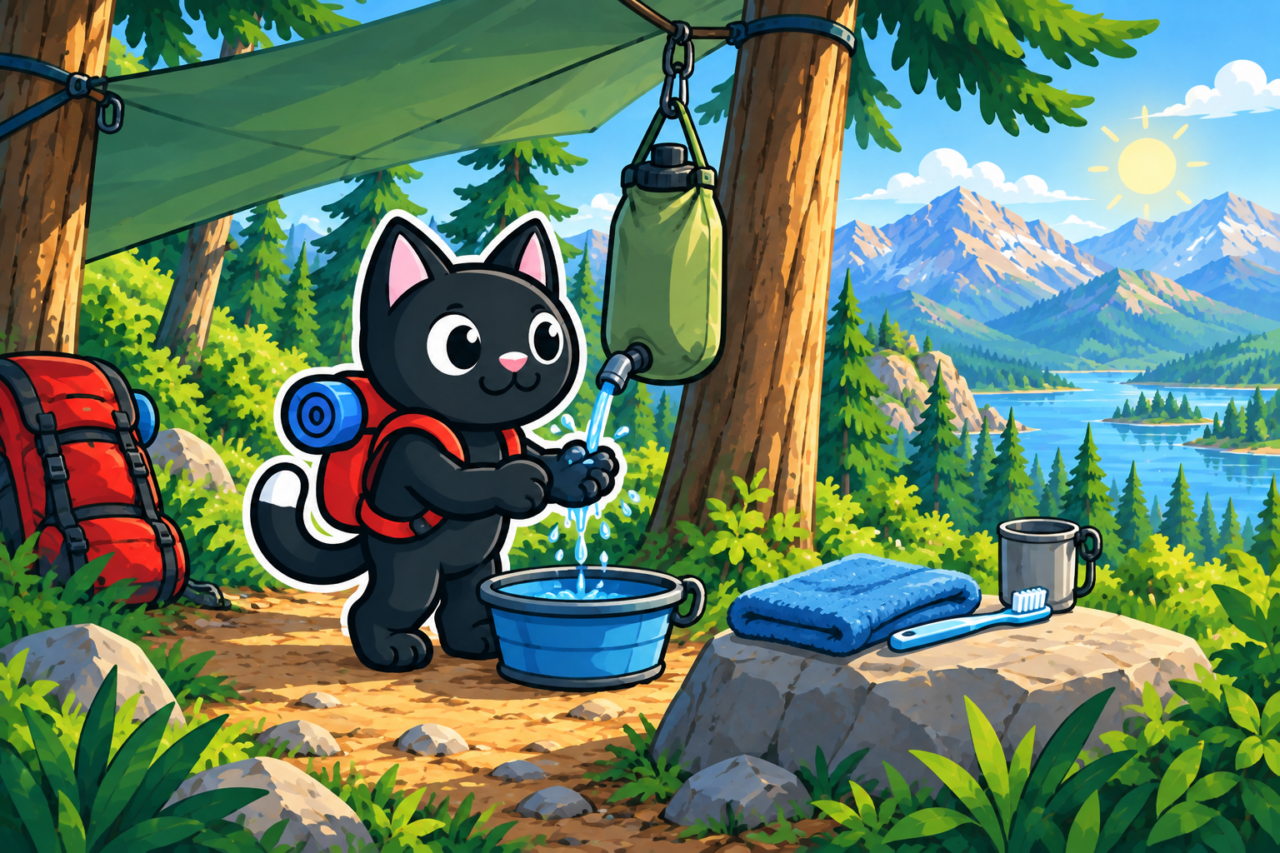
Hands matter more than a trail shower
Wash hands after using the toilet, before preparing and eating food, and after treating a wound. Soap and safe water remain the primary method, especially when dirt is visible. Pour water from a bottle away from the stream and follow local disposal rules so soap cannot enter it. Hand sanitizer is a useful addition: apply enough to dry hands and rub as directed. Before a shared dinner, this lets everyone begin with clean hands.
Every participant should have a personal mug and spoon, plus a bottle. Do not drink from a shared container or taste food with the same spoon used by the group. Give an ill person separate utensils, increase distance where possible, and discuss a safe return early. An agreement at camp avoids rushed decisions while packing.

Care for the body and clothing
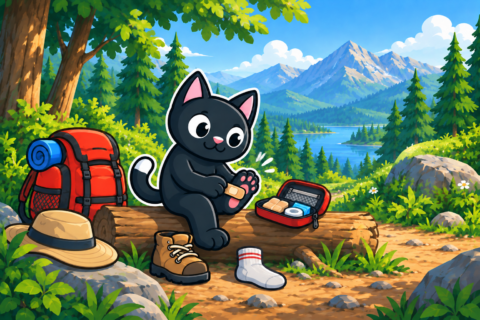
Inspect feet, groin folds, underarms, and areas beneath straps every day, as these experience friction. Damp skin chafes more easily, so find a small problem before the next crossing. Wash with little water, dry thoroughly, and change socks and the base layer. Cleaning products must not enter water even when labeled biodegradable. Dry clothing lets the skin recover after the hiking day.
- Carry a small towel for the body.
- Keep a dry clothing set only for sleeping.
- Air footwear, insoles, and the sleeping bag in dry weather.
- Treat the first signs of rubbing before a blister forms.


Wet wipes are convenient when water is scarce. Bag and carry them out after use. They often contain plastic fibers and remain in soil far longer than paper. Even one wipe left at camp preserves the group’s trace.
Leave no trace at the toilet
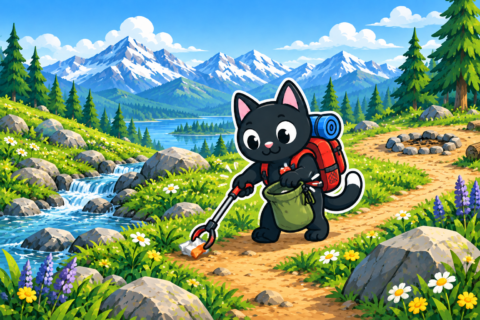
Procedures depend on local rules, so learn them before the trip. Use established toilets where available. Fragile, rocky, snowy, and high-altitude areas often require waste to be carried in sealed bags. Where a cathole is permitted, follow the specified depth and distance from water, trails, and camp. A prepared bag avoids searching for suitable soil at a rocky site.
Pack toilet paper and hygiene products in an opaque sealed bag unless rules explicitly permit another method. Clean hands immediately before returning to food and shared items. Select the place before dark so nobody walks across a hazardous slope at night. A familiar route is easier to find when leaving the tent quickly.

Menstrual hygiene
Carry familiar products with a reserve and keep clean and used supplies in separate bags. Include hand sanitizer and a pain reliever if it suits you and has previously been recommended. Carry out every used product, planning its storage while packing. Clean a cup with clean hands and safe water according to its instructions and dispose of contents under local rules. This arrangement prevents a last-minute search on a multi-day route.
Water and food
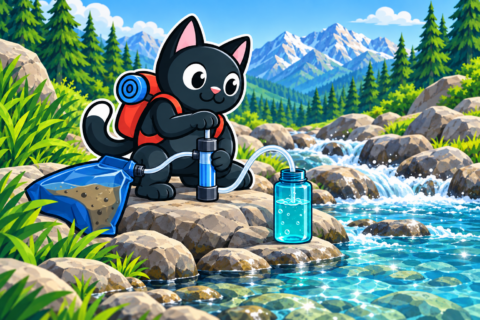
Treat natural water by a method appropriate to local contaminants. Filters, boiling, and chemicals have different limits, so study their instructions and regional guidance. Keep the mouth of a clean bottle away from untreated water after processing. At a stream, separate clean and raw containers from the outset.
Separate raw ingredients from cooked food and protect supplies from heat and animals. Bag leftovers that have remained at a doubtful temperature for too long. Even an appealing dinner may no longer be safe after unsuitable storage. Clean cookware away from water sources and carry out food particles so the bank shows no trace of the meal.

When help is needed
Persistent vomiting, frequent diarrhea, blood, severe pain, high temperature, marked weakness, or dehydration signs require medical assessment. Stop exertion and arrange a safe exit. If the condition worsens, contact professional help before the next section. Hygiene supports health but does not treat established illness. The group plan must account for a participant who struggles to walk.


Build a small personal kit
Keep soap, a small sanitizer bottle, towel, toilet supplies, spare bags, and foot-care products together. Label containers and separate them from food. Each evening, refill washing water, dry socks, pack waste, and prepare for morning. After a late arrival, an assembled kit keeps the routine quick. A dry pair and clean supplies will already be ready in the morning.