Dehydration and overheating can rapidly worsen a person’s condition on a route. This guide explains how to recognize danger signs, provide help, and reduce risk.

Reduce heat strain
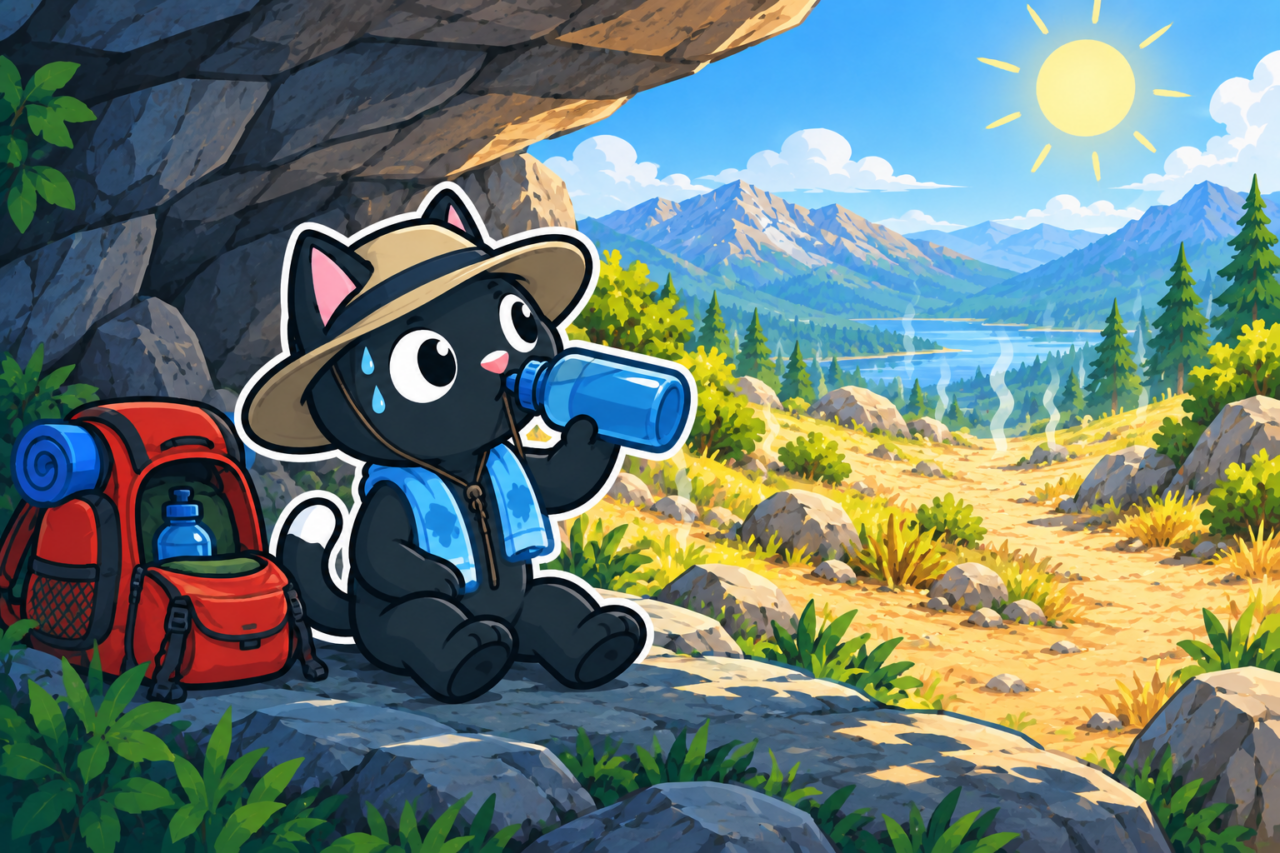
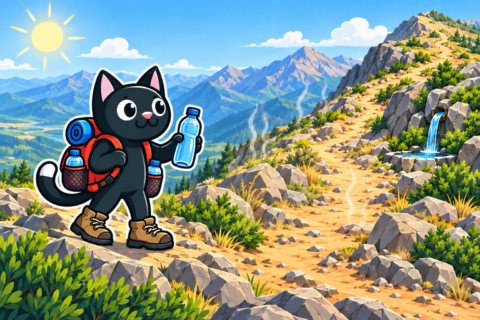
Start early and cross the most exposed sections during cooler hours. Wear lightweight covering clothing, headwear, and sun protection. Rest in shade and remove the backpack to reduce heat strain. Choose a pace at which participants can talk and check one another regularly. If conversation becomes difficult on a climb, slow the group to a steady, familiar pace.
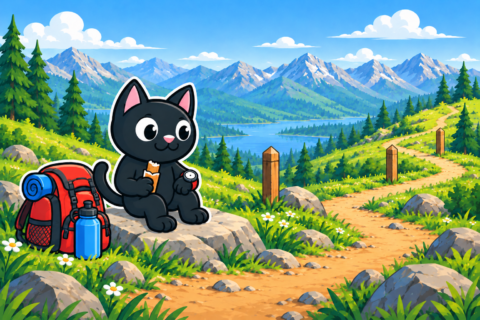
Research water sources and carry a reserve in case they are dry. Drink regularly according to thirst, weather, exertion, and individual needs. During prolonged heavy sweating, food and a suitable electrolyte drink help replace salts. Excessive plain water can also be dangerous, so do not force large volumes in a short time. If a marked source is dry, the reserve lets you revise the route without rushing.
Recognize dehydration
Thirst, dry mouth, dark urine, infrequent urination, headache, weakness, and dizziness suggest falling fluid reserves. Stop exertion and move to a cool place. Loosen unnecessary clothing and offer small amounts to drink if the person is fully conscious and swallowing normally. Check a participant who is falling behind at a break while they can still explain how they feel. Continue monitoring changes.
Vomiting, increasing weakness, confusion, fainting, or inability to drink requires professional assessment. If the participant cannot retain fluid or respond normally, a simple rest may be insufficient. Arrange an early exit or call for help according to severity and remoteness. Report the observed changes to those providing care.
Heat exhaustion
Heavy sweating, weakness, nausea, headache, a rapid pulse, and dizziness may accompany heat exhaustion. Move the person into shade, lay them down, and remove unnecessary layers. Cool with wet cloths and airflow while monitoring the response. If alert and swallowing freely, give cool fluid in small sips. After illness on an exposed climb, these actions immediately reduce heat exposure.

Observe continuously because the condition may change after stopping. Seek medical help if symptoms do not improve promptly, return, or worsen. Even after temporary relief, continuing a demanding route that day is dangerous. Exertion and heat will rise again on the next exposed section, so revise the group’s plan.

Heatstroke is an emergency
Altered consciousness, slurred speech, seizures, loss of coordination, fainting, or unusual behavior in heat may indicate heatstroke. The skin can be hot and may remain sweaty. If a participant suddenly stops responding reliably after moving in sun, act immediately. Do not wait for a temperature reading or every possible sign. Delay postpones both the call and cooling.
- Call emergency services immediately and state that you suspect heatstroke.
- Move the casualty into shade and remove excess clothing.
- Begin active cooling with cool water, wet cloths, and airflow. Follow dispatch instructions.
- Monitor breathing and consciousness. Be ready to act within your training if the condition changes.
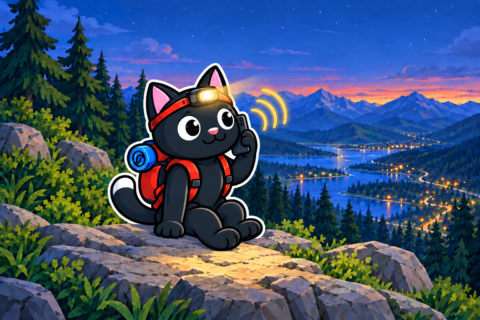
Do not give fluid to someone with reduced consciousness, seizures, or impaired swallowing. Even small amounts can be dangerous when swallowing is compromised. Do not leave them alone: monitor breathing and consciousness and follow dispatch instructions. Begin cooling immediately rather than waiting for rescuers.
Consider the group
Children, older people, those recovering from illness, people taking some medicines, and anyone unacclimatized to heat may tolerate it poorly. Everyone has a different limit, so the shared pace does not reflect each person’s condition. Pair participants for checks: ask how they feel, observe speech and coordination, and compare pace with normal. If a usually energetic companion begins falling behind and responding slowly, stop to assess. These observations can reveal a problem before severe symptoms.
The main principle: stopping early preserves many safe options. At the first signs of overheating, shorten the route, seek shade, and assess the need for medical help. Changing the plan beside a shaded branch is easier than after entering a long exposed section.
Plan water along the route
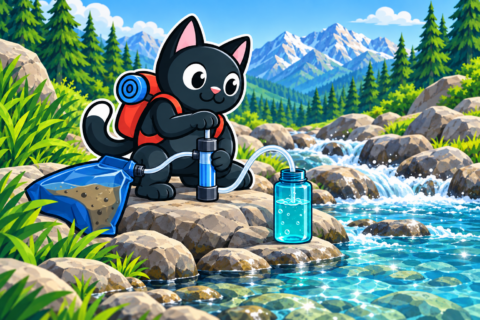
Mark reliable sources and alternatives and check whether seasonal taps operate. Include food preparation and possible delays so the supply covers the full day. Treat natural water by a method suited to local contaminants. Before a long dry section, retain enough even at the cost of a heavier pack. A dry planned source will then not leave the group without options.
At breaks, inspect how much each person has left. Someone may quietly save their last water and gradually fall behind while others maintain pace. Redistribute the shared supply, shorten the route, or return. Include access to water in any decision to continue, especially with children and beginners.