A group hike depends on a clear plan, divided roles, and shared rules. Here is what participants should agree before starting.
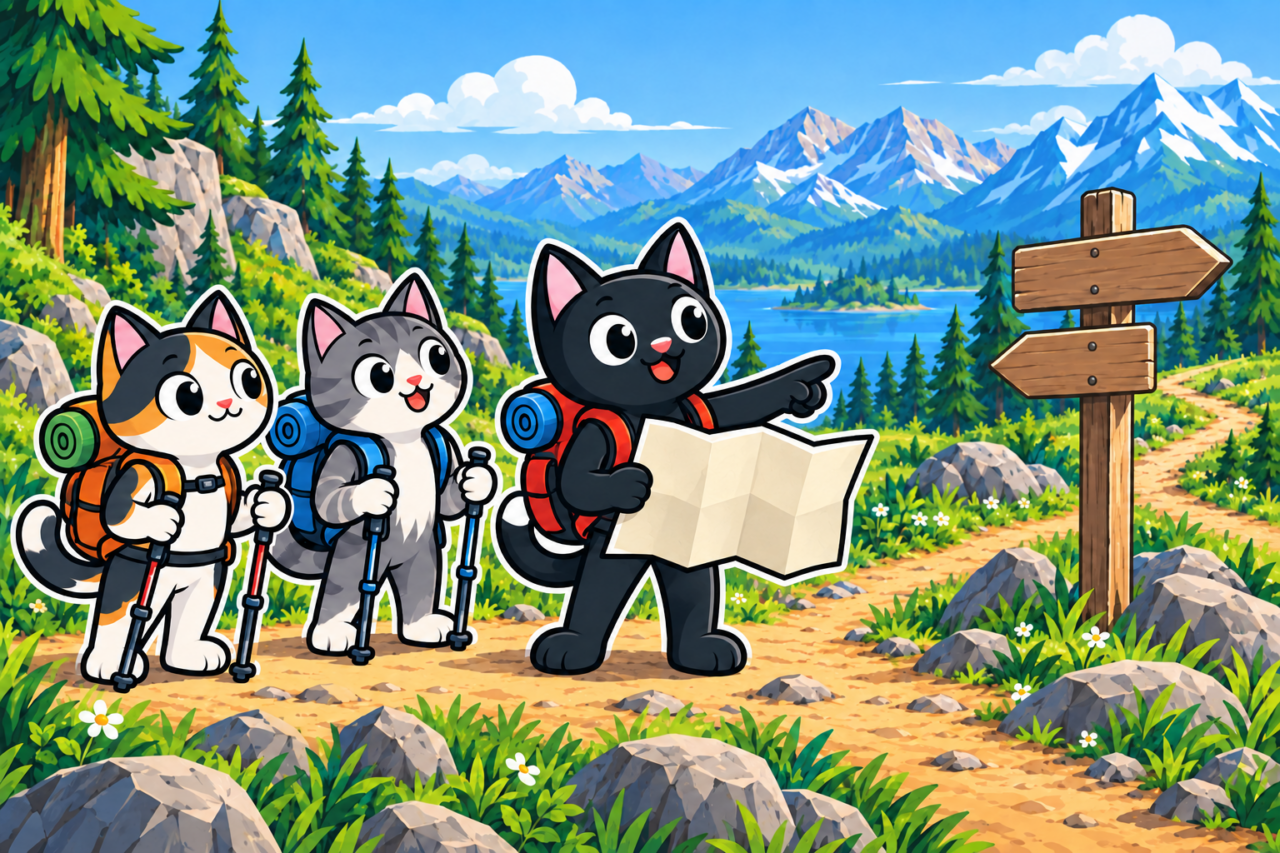
Build a suitable team
Ask about experience, health, and equipment with specific examples: distance walked with a pack, comfortable elevation gain, and nights in a tent at the expected temperature. “Good fitness” says little about rocks or a long day. Compare similar past trips to estimate the load for the group.
Choose the mandatory route for the person likely to find it hardest. This helps the group keep a shared pace and preserve a reserve after delays. If abilities differ widely, add an optional loop to a short main route. Stay together on difficult terrain and plan any split and reunion in advance.
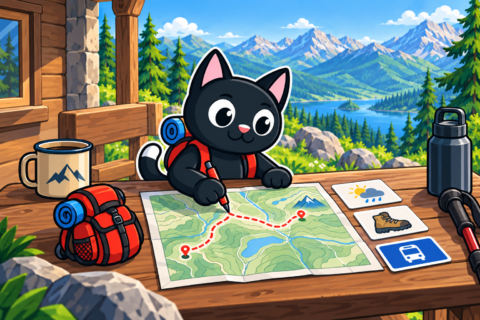
Appoint a coordinator
One coordinator assembles the current track, start time, transport, authority contacts, water points, and early exits. They need not direct every step; their job is to remind everyone of decision criteria and keep information available. If a bus is late, the group can recalculate before walking and everyone should understand the update.
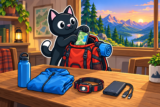
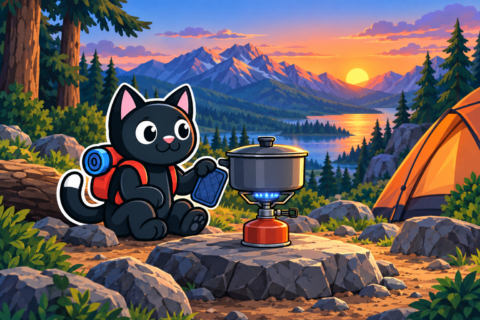
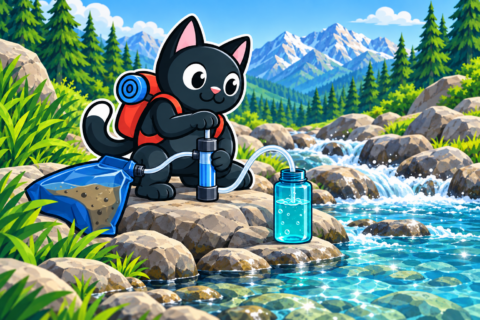
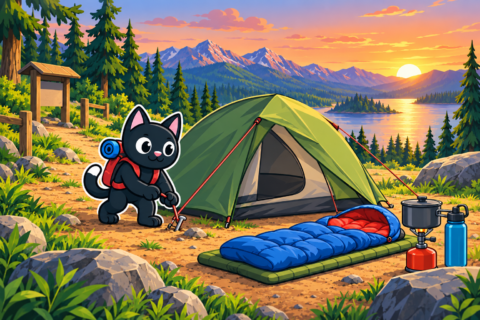
Divide shared gear before packing. Record who carries the tent, first-aid kit, stove, fuel, filter, and repair kit, accounting for personal loads and physical ability. Recheck the list before departure because a missing tent pole can change the overnight plan. Include small components split among different people.
Agree on movement
- At junctions, the first hiker waits for the rest.
- The last person reports delays and makes sure nobody remains behind.
- Announce the place and duration of every break to the whole group.
- Everyone immediately reports pain, cold, or fatigue, as well as low water.
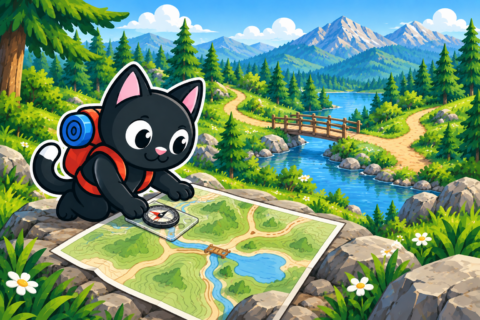
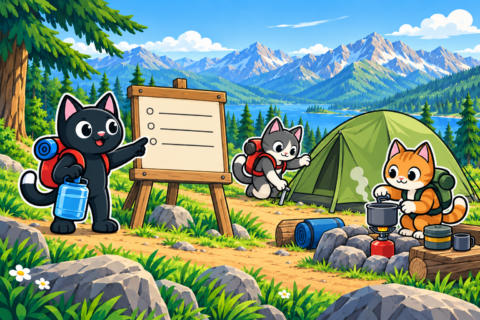
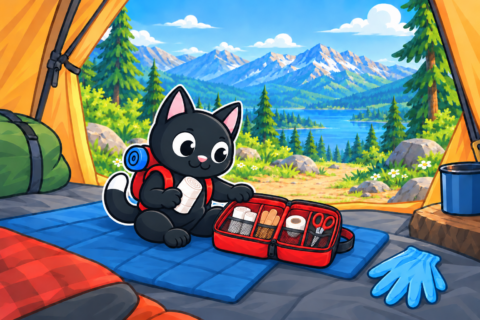
On an easy trail, use a pace at which people can speak short phrases and breathe steadily. Repeated surges stretch and tire the line. If splitting is allowed on a broad safe section, name each subgroup, meeting place, and waiting time. Stay within sight in fog, dense forest with junctions, and difficult terrain so one person’s stop is visible.
Make decisions in advance
Set checkpoints and short-route conditions before starting. If the group has not reached a pass by a certain time, skip the next section. Tie decisions to weather, daylight, people’s condition, and return transport. Anyone who feels unwell should speak immediately while several options remain.
During a dispute, first gather facts: current location, remaining time, weather changes, and available exits. The appointed route leader has the final word on safety. Discuss that role and its limits at home so decisions are made before the difficult section.

Respect one another
People differ in morning rhythm, appetite, and need for quiet. Announce wake-up time, return shared items, ask before using personal belongings, and publish photographs only with consent. Simple agreements prevent delays such as searching for the cooking pot in the morning.
After returning, briefly review successful decisions, actual section times, and missing equipment. Fresh details reveal where the estimate differed from reality and improve the next group outing. Discuss specific sections so the conclusions remain usable.
Thank the people who cooked, navigated, and handled shared equipment. Much of this work is invisible to those resting at the time. Recognition reveals everyone’s contribution, including work outside the walking day, and makes the next division of duties fairer.