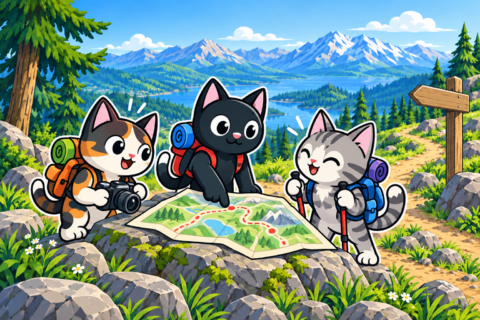
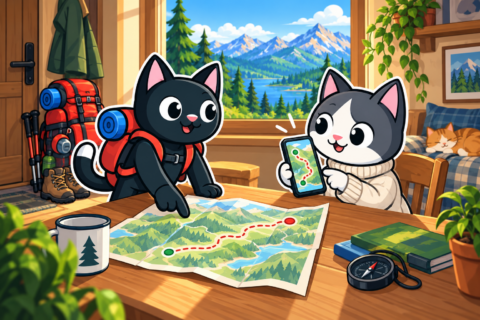
If this is your first hike, go with a group. First understand what hiking is and which route format suits you. Ideally, include someone experienced on similar routes who can navigate and change the plan calmly when conditions deteriorate.
Why a Group Is Better for a First Hike
Companions can spot a missed turn, share group equipment, and notice fatigue from the outside. They also provide another pair of hands if a minor problem needs attention. This support is most useful when everyone has prepared rather than assuming that numbers alone make the group safe.
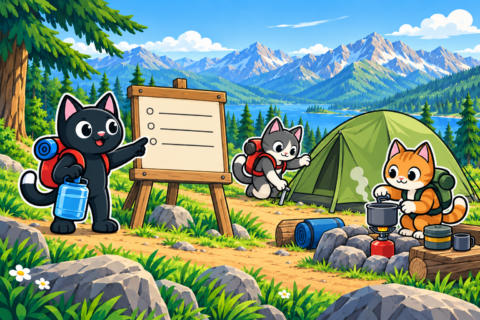
Before starting, agree on a comfortable pace and choose a leader and a person at the back. Wait at every junction and let anyone ask to stop or turn back without pressure. The group should use its slowest member’s pace and give that person a full break rather than starting the clock before they arrive.
When Solo Hiking Makes Sense
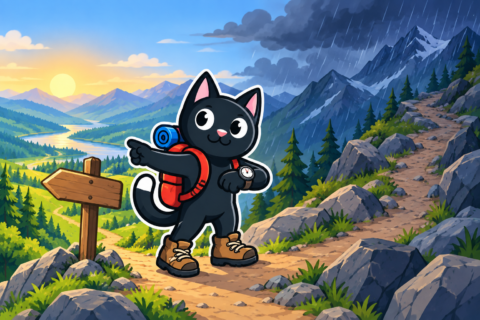
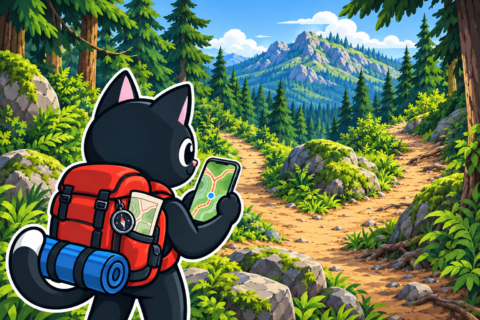
Solo hiking gives you control over pace, stops, and silence, but every navigation and safety decision is yours. A wrong turn, injury, or dead phone can have greater consequences when no companion can check the map or get help.
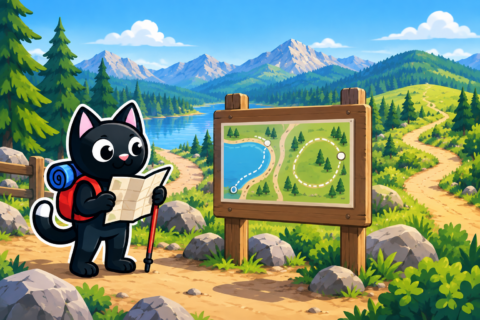
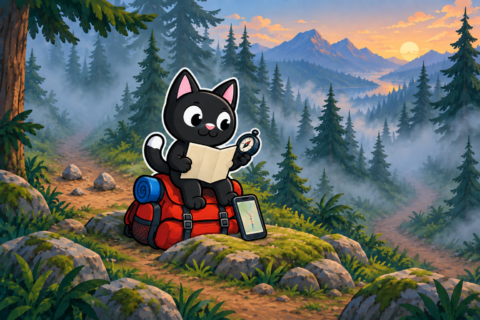
Build toward it with short, familiar routes that are marked and near transportation and have several exits. First test your shoes, pace, offline map, first-aid knowledge, and communication plan in easier settings. Leave your route and check-in time with someone at home. Poor markings, no signal, difficult weather, crossings, snow, and exposed terrain are reasons for a beginner to choose company instead.
Choosing a Group
Choose a small group in which you can speak honestly about fatigue and concerns. An experienced companion should know similar terrain and explain decisions without pressure. A short walk together can reveal differences in pace before the main hike.
For an organized trip, ask about the guide’s qualifications, group size, distance, elevation gain, trail surface, and the plan for a tired participant. Describe your experience, fitness, and relevant medical needs accurately. A suitable group plans around its least experienced member and treats changing the plan as a normal option.
Solo hiking can come later as a deliberate step, after you understand your pace and can handle routine problems independently. For the first hike, a prepared group leaves more safe choices when the day does not go as expected.