Dividing responsibilities makes camp and trail work clear and fair. This article covers the main roles and how to rotate them according to the group’s condition.
Who makes decisions
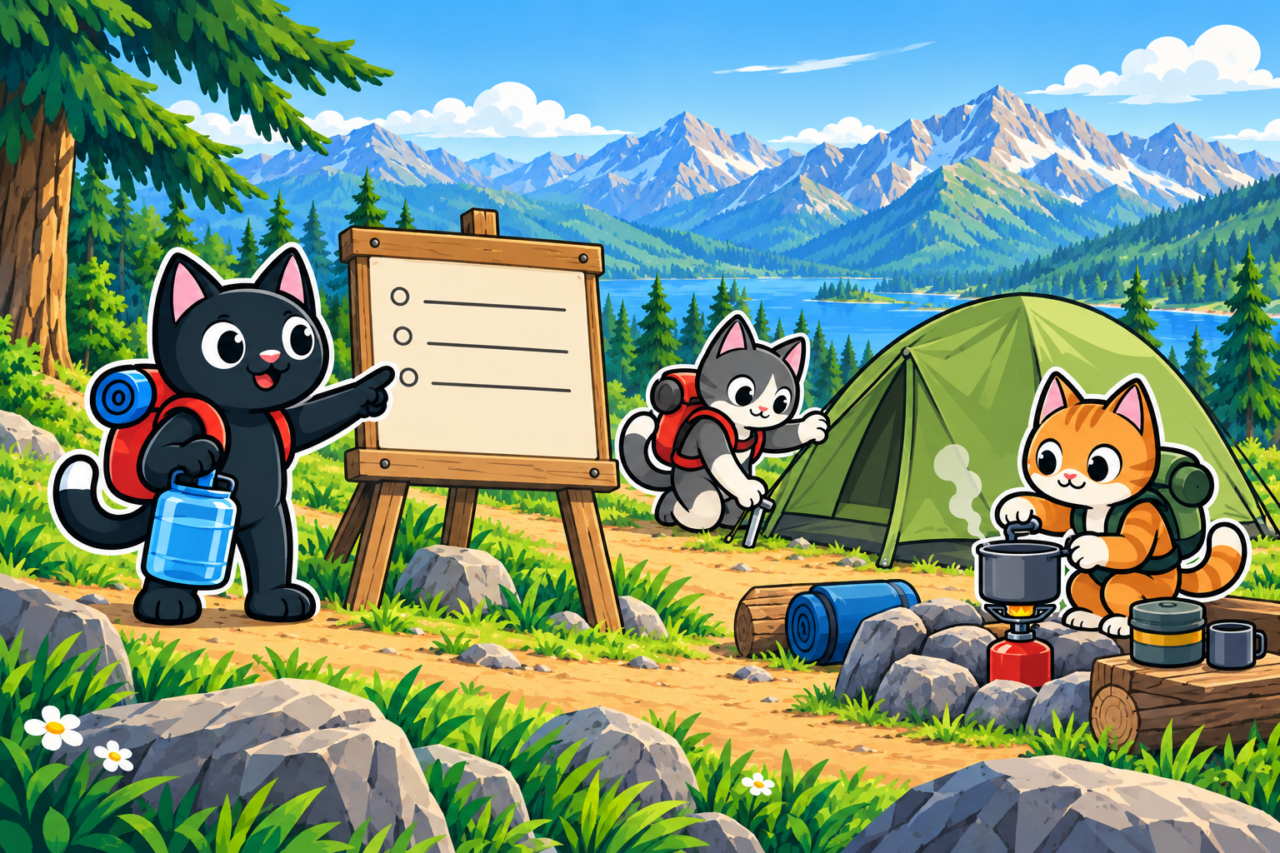
Choose someone to gather route information and propose the day’s plan. They watch the time, discuss changes, and make sure everyone understands the decision. Before a difficult section, review together what lies ahead and whether everyone is ready. This gives each person a chance to voice concerns before continuing. Silence alone is not consent: someone may say nothing even though they are not ready for the next section.
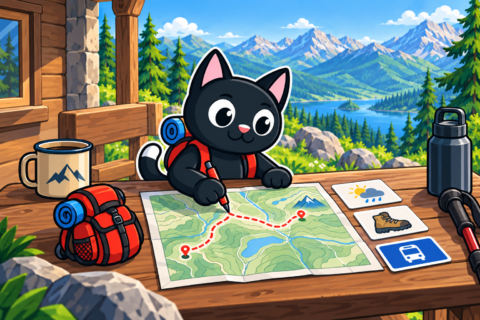
If a professional guide leads the hike, learn the group rules when booking so you can assess the terms of participation. On an independent trip, agree beforehand who can stop the group when concerned and how disputes will be resolved. When someone asks to pause, stop and listen. Explaining a problem while everyone keeps moving can be difficult and the conversation may break off. A pause lets you understand what happened before discussing the way forward.
Leader and sweep
On a group hike, choose a leader and a sweep. As the line stretches, its front and back occupy different places and one person cannot easily monitor both. These two hikers have separate duties.

- The leader watches the direction and sets regrouping points.
- The sweep walks last and checks after every break that everyone has set off.


At every junction, wait for the whole group even if the turn seems obvious to those who arrived first. A hiker at the back may not yet see where the others turned. Before setting off after a stop, make sure people at both the front and back are ready. Otherwise some will start moving while others are still packing, and the group will immediately split again.
Everyone should pay attention and speak up when leaving the trail, losing an item, or not understanding the direction. The warning lets companions account for the delay. Never disappear silently “for a minute”: someone may step aside for a photo while the group starts searching. Until others know the reason, one person’s brief stop costs everyone time.

Shared equipment
List all shared items and record who carries the tent, cooking gear, and food. Before dividing them, ask how much weight each person can manage because people’s abilities differ. Empty backpack space says nothing about its owner’s strength.


Everyone is responsible for their portion of the group equipment and should say when they can no longer carry it. When transferring a load, check the entire kit so all its parts continue with the group. After several handovers, a small piece can remain in someone else’s pocket or a bag can be left at camp. The main item may have changed hands while some accessories remain elsewhere.
Camp duties
At camp, divide tent pitching, water collection, cooking, and cleanup. Give duty teams a complete, specific task, such as preparing dinner and cleaning the kitchen afterward. Others should help with water and shelters; otherwise almost all camp setup may fall on the same people.

Rotate duties by day or meal so everyone takes different jobs in turn. If someone is working much longer than the rest, ask whether they need help. They may still be dealing with the kitchen while companions have finished and are resting. In bad weather, the whole group should first handle urgent work rather than wait for the ordinary rota. Return to the usual routine after dealing with the immediate tasks together.
Personal responsibility
Each hiker watches their belongings, packs on time, and reports difficulties that affect progress. A leader cannot know that your sleeping bag is wet or your water is gone until you say so. Packing may look normal from the outside even though someone has a problem that affects the route ahead. The sooner the group hears about it, the more time there is to discuss a solution.

Before leaving camp, check together that all gear is packed and all rubbish removed. One named person should perform the final inspection even if everyone helped pack. Otherwise each hiker may assume a neighbor already checked the site. An overlooked item can still be lying where it was while everyone believes packing is complete.
Rotate roles deliberately
Cooking or walking sweep throughout a long trip is tiring, so roles can be handed over. Announce every change and check the associated equipment so everyone knows who is now responsible. The new person needs the time of the next communication session, the location of shared gear, and the current plan. Knowing the job alone does not reveal when a message is due or where a needed item is stored. A short handover preserves order while the previous person recovers.

After the trip, discuss the division of work without blame. Recall jobs that took longer and duties that others did not notice. Someone may have started resting later than everyone else even though their lengthy work never came up in group discussion. Recognizing that load makes it easier to divide it fairly on the next hike.