Mountain weather changes quickly and can make a route significantly harder. This guide explains how to prepare and adjust the plan in time.

Read the forecast as part of the route
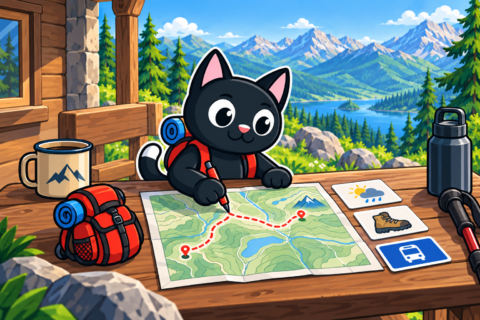
Check the forecast for the hiking area and elevation; weather in the nearest city may describe a pass poorly. Review hourly data, wind speed and gusts, thunderstorm probability, wind chill, cloud cover, and official alerts. The update time matters because yesterday’s screenshot may already mislead you. Conditions higher up can differ from the city forecast while you climb from the valley. Fresh local information helps assess the actual section ahead.

Compare the forecast with the day’s plan and mark ridges, plateaus, crossings, long climbs, and places that are difficult to leave quickly. Estimate each section using the group’s real pace so you know where it will be when the weather changes. If a storm is expected at noon, an early start helps only when there is enough time to descend from exposed ground. Without that margin, choose a shorter route from the outset. A delay on a long climb could place the group on a ridge as conditions deteriorate.
Set decision limits
Agree on turnaround points and clear decision conditions before departure. The group must reach the saddle by a set time; an exposed slope is excluded if visibility worsens; everyone stops at the first signs of chilling. Rain and fatigue after a long climb narrow attention, so an agreed rule is easier to follow. If you reach the saddle late, compare the time with the decision instead of debating on exposed ground.

Every participant should immediately say if they are cold, wet, losing balance, or unable to see the trail. This lets the group assess conditions before movement becomes harder. Weather beyond the next rise may be much harsher, so reassess along the way. A particularly useful check comes before leaving the forest for open ground. If the wind is already strengthening, decide before climbing higher.
Carry protection from cold and water
- Keep rainwear and warm layers, hat, and gloves near the top of the backpack.
- Pack the sleeping bag, spare clothing, and electronics in waterproof inner bags.
- Test at home the hood, zips, and drawcords.
- Carry a light, emergency shelter, spare food, and a charged power bank.


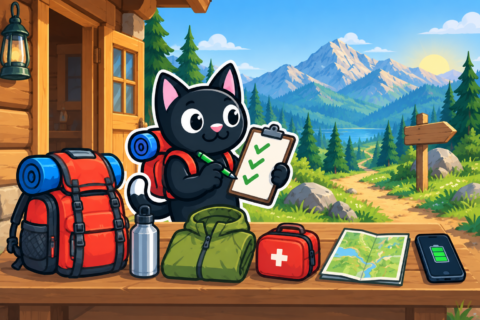

Put on the jacket before clothing is soaked; when rainwear sits at the top, it remains easy to reach after rain begins. Add insulation immediately at a break because a warm body cools quickly in wind once the group stops. Violent shivering, clumsy movement, drowsiness, slurred speech, and unusual behavior may indicate dangerous cooling. Move the person to shelter, insulate them from the ground, replace wet clothes with dry ones, and arrange professional help. If the condition worsens, call rescuers rather than prolonging exposure in a windy place.

Thunderstorms require an early decision
If you hear thunder, lightning is already close enough to threaten you. A substantial enclosed building or a hard-topped vehicle with closed windows provides reliable protection. A tent, shelter, lone tree, or small rock overhang does not, even if it blocks the rain. Remain in suitable shelter for at least 30 minutes after the last thunder. The end of rain alone does not change this rule.

If no building or vehicle is reachable, there is no completely safe outdoor place. Descend from summits and ridges, move away from isolated tall objects and water, and avoid metal fences. Do not lie on the ground even if fatigue makes that tempting. The best decision happens earlier: postpone an exposed route when thunderstorms are forecast so the group never has to choose a waiting place on the ridge.
Remember the return route
Familiar terrain changes after heavy rain: a stream gains force, rocks become slick, and a dry channel turns into flowing water. Do not enter water or continue a traverse merely to keep the schedule when footing is no longer reliable. Extra time, food, and warm clothing help if you must wait for conditions to improve. A familiar stream may become unsafe to recross. If the plan changes, tell the person who knows the route and expected return time.

At home, dry equipment and note which decisions helped. If rainwear was buried, gloves became wet, or fog was noticed late, change the packing and rules for the next outing. Review the event while participants still remember the details. During the next sudden change, the right item will be easier to reach and the decision point clearer. Weather remains variable, but experience from a particular route improves preparation.