Several layers of protection inside and outside the backpack keep equipment dry. This guide explains how to pack gear and use it in rain.
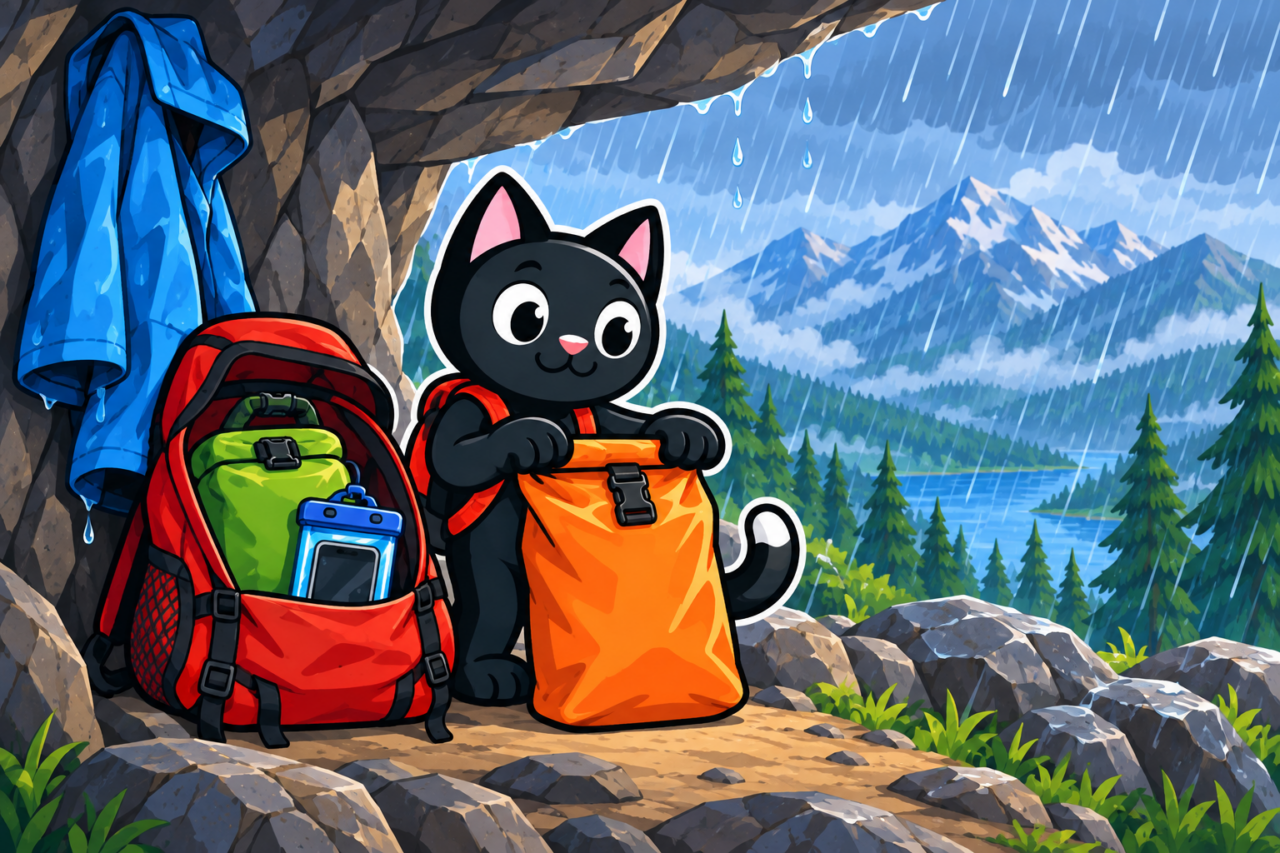
Protect the contents from within
Place a durable waterproof liner in the main compartment and roll its opening several times. Before closing, make sure no sharp edge of a stake or cookware touches the material. An ordinary rubbish bag may help on a short route, but its thin wall tears easily. If you discover a hole only after the rain, the evening’s rest may be spent drying wet equipment.

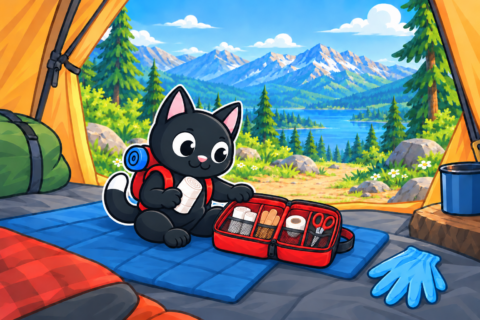
Give the sleeping bag, dry clothing, documents, first aid kit, and electronics their own waterproof bags. This preserves separate reserves if the main liner is damaged. In the evening, for example, you can retrieve a dry sleeping bag even if water entered another compartment. Labeled packages make the item needed at that moment easier to find.

Use external protection
A rain cover takes most of the rain and dirt, so check its size on a fully loaded backpack. It should remain secure in wind and not collect water in folds. Part of the back panel remains exposed, leaving the internal packaging to protect the contents. After several steps under load, confirm that the cover stays in place.
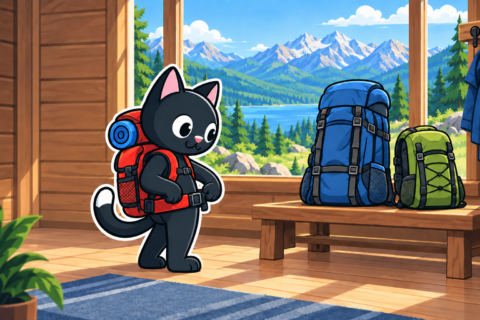
Test the system at home without sensitive equipment: put dry paper inside and spray the closed backpack with water as permitted by its care instructions. Then inspect corners, seams, and pockets where moisture may appear first. Wet paper near one area reveals the weak point before the trip. Pay particular attention to pockets frequently opened in rain. The result will show which contents need separate internal packaging.
Keep wet items separate
Keep a wet fly, rainwear, gaiters, and socks away from insulation. Hang them during a dry break while watching the wind, then return them to a separate bag before leaving. A sealed bag is useful for transport but encourages odor and material damage during prolonged storage. In the evening, you will not have to move a wet fly across dry sleeping clothes.

Carry water and liquid fuel upright and check their caps by hand. Keep bottles away from the sleeping bag so a leak cannot remove your dry place to sleep. Place oil and sauces inside a second bag as well. If one container spills, the additional layer limits contamination of neighboring items.
Act calmly on the trail
Keep the rain jacket and pack cover at the top or in an outer pocket. Put them on at the first sustained drops while the backpack is still easy to open. For a break, find shelter, remove only what you need, and close the lid immediately. Keep its inner surface away from wet ground so water does not enter the compartment when you close it.
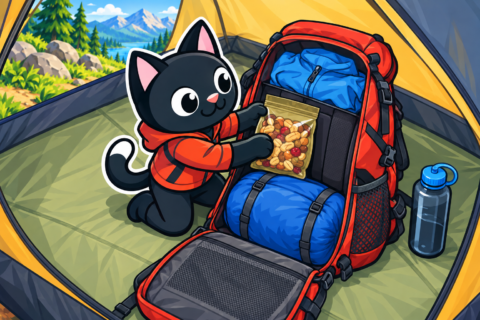
If you must find something in rain, remove one labeled bag rather than searching through the entire backpack. A color or large label identifies its contents. Keep the day’s snacks separate from the main food supply. A short break will then expose fewer packages and let you close the pack again quickly.

A dry camp
Pitch the tent in the sequence intended by its design, protecting the inner as much as possible from rain. Bring sleeping bags inside only after the sleeping area is covered. On a double-wall model, make sure the layers do not touch: moisture can transfer through the contact point. Leave wet footwear by the entrance without blocking the exit.

Even in rain, open the tent’s designed ventilation. Breath and damp clothing produce condensation that settles on the walls and may drip inside. Keep the sleeping bag away from the fabric, especially when everyone arrives with wet gear. Otherwise, its edge may be damp by morning without any direct leak from outside.
Important: do not dry clothing over a stove or use it to heat the tent. Flame can damage synthetic fabric, while combustion products accumulate in an enclosed space. Evening dampness does not make this method safe. Wait for an appropriate dry break to air the items.


After the route
At home that same day, open the bags, remove insoles, loft the sleeping bag, and dry the tent completely. Check sealed seams and the backpack floor while you remember where dampness appeared. Storing wet items closed for a long time encourages odor and damages materials. After drying, it will be easier to see what needs repair before the next trip.
Repair weak points
Carry patches compatible with the bag and fly materials and a small roll of repair tape. Clean and dry the surface before application, and follow the stated curing time. At home, flex the repaired area and check that the patch holds. This shows whether the product suits fabric that moves during packing.
A temporary repair may finish the route, but inspect it again after returning. Tape that lifts after drying needs a more permanent replacement. Check seam sealing, coatings, and fastenings before the next rain. A worn area is easier to fix at home while the backpack is open and dry.

Record exactly where water appeared: in a corner, by the back panel, or inside an individual bag. These signs point to different packaging weaknesses. After drying, repeat the home test on the suspected area. Finding the leak lets you correct it before the next outing instead of carrying the same mystery into another wet route.