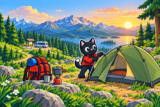
Solo hiking requires independent decisions, confident navigation, and a careful communication plan. This article covers preparation, limits, and the particular features of going alone.
Decide in advance when to turn back
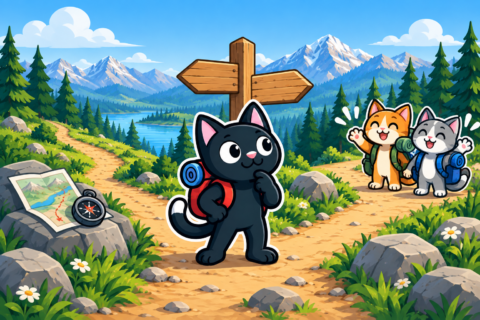
Write down your turnaround conditions at home. An attractive branch can tempt you to postpone the decision when nobody else is there to object. Base the rule on time, route clarity, and weather. You will then have an agreed reference point at the junction.
- a specified time has arrived;
- the section ahead is unclear;
- the weather has deteriorated.
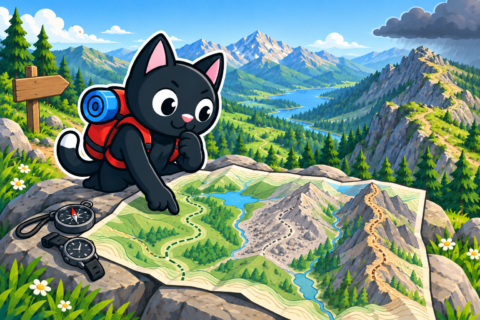
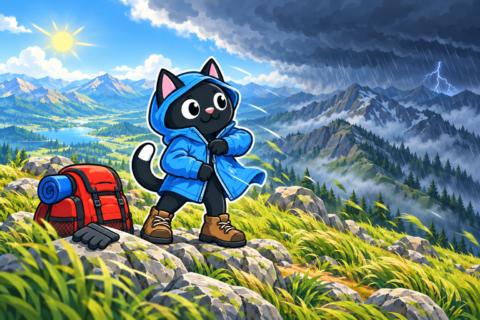
Alone, it is easy to persuade yourself to change the plan when no companion mentions the last bus. Written rules are particularly valuable when tired. If you have not reached the intended point by the deadline, the decision to return has already been made and needs no fresh argument.
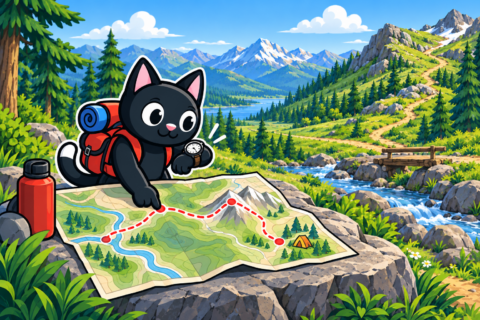
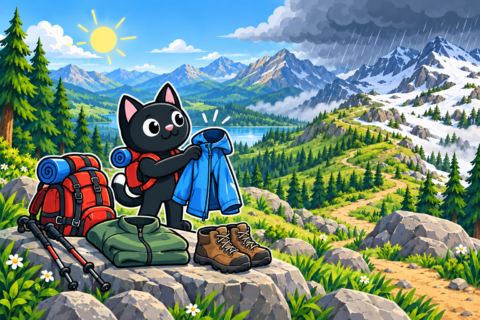
Check the way from transport to the start, the complete route, and the way from the finish to the stop. Make sure the outing can be shortened if time or energy runs out early. For a first solo trip, choose a popular trail at a time when other people are usually present.
Leave the plan with someone
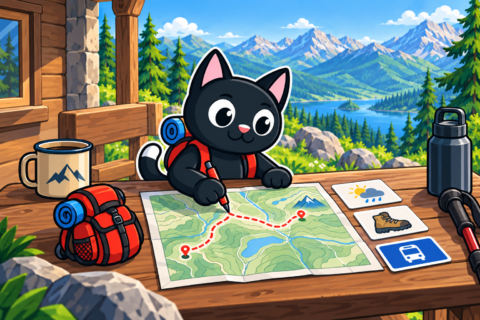
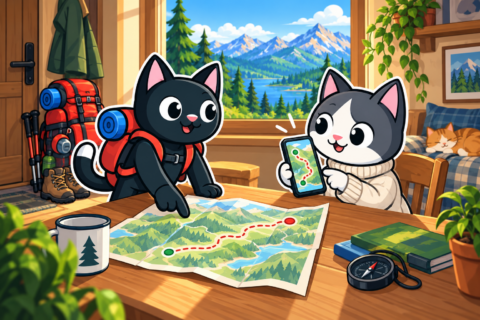
Give a trusted person the route and expected call time. Include the start, finish, intermediate points, and agreed actions after missed contact. This helps locate your likely position if the walk takes longer than planned. The communication procedure is described in more detail in “How to Stay in Touch with Family and Friends.”
Report immediately after leaving the route, even if you still have to travel home. Your contact is waiting for news that the hike itself is complete. Delaying the message until arrival may needlessly cross the agreed deadline. A short note from the stop is enough.
Rely on your own equipment
Everything essential must be yours. In a group it is easy to rely on someone else’s lamp, map, or water, but that support disappears alone. Learn your navigation apps and devices before departure. Download the map and confirm it opens offline.
Plan at home for ordinary problems. There may be no companion to offer another option on a solo route. Check whether you are ready for these situations:
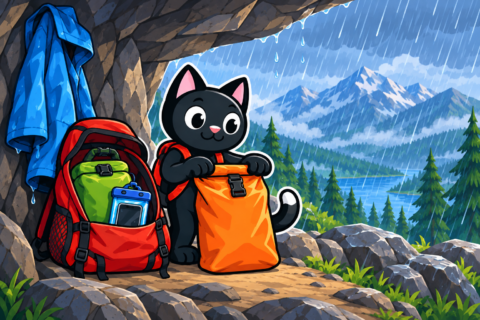
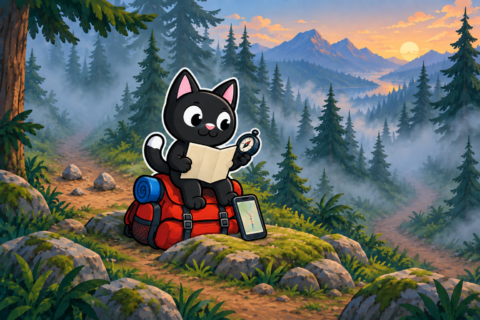
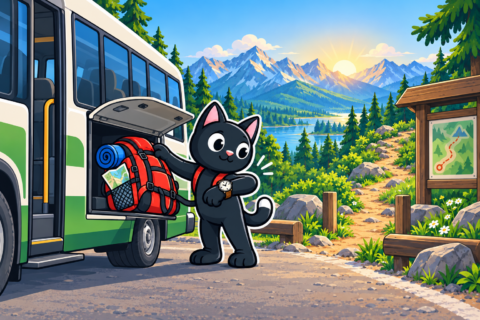
Every likely delay needs a workable response. If all options depend on accidental help, choose an easier route. Test unfamiliar equipment before the trip so you do not learn to operate it in bad weather. A home test also reveals which actions take longer than expected.
Pay attention on the trail
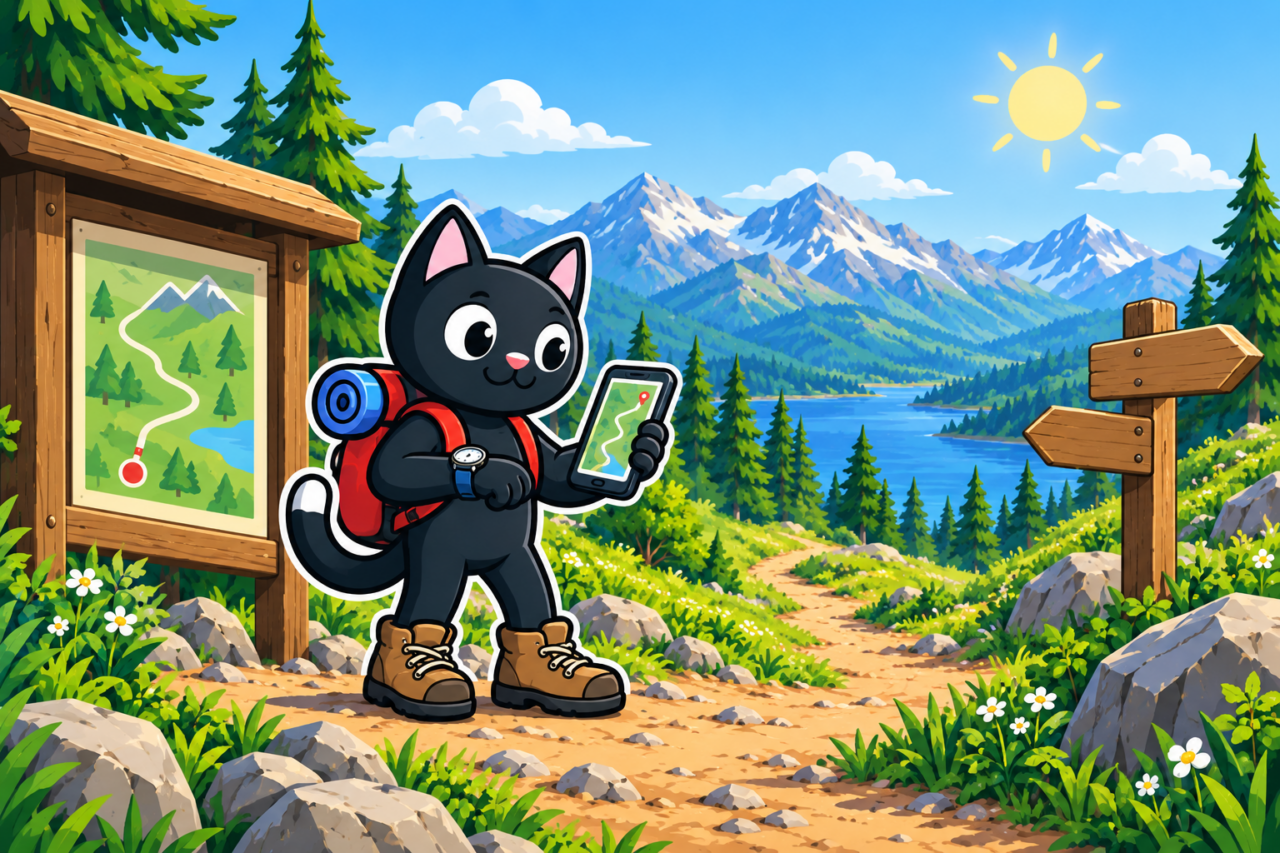
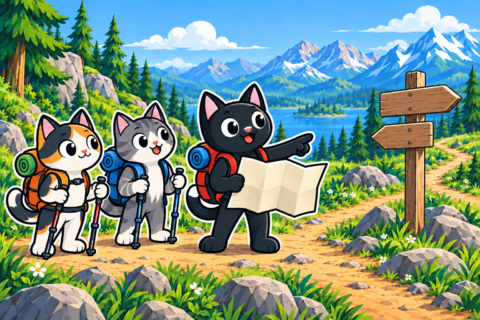
Put the phone away where you need to watch your footing. Open the map after stopping on stable ground and save long messages for a break. At a junction, check the direction before traveling far down an uncertain branch.
Take short pauses even when you do not feel tired. Check the time, remaining water, and distance to the exit. Compare the trail with what you expected and decide whether the return remains realistic. If your energy falls sooner than planned, turn around while the way back is still straightforward.
Other hikers may know the conditions ahead. If they invite you to continue with them, judge the new section by your original rules: time, weather, and return options. Their company does not shorten the road back to your transport or replace your own plan.
After the walk
Record the decisions that felt difficult. Repeated uncertainty at junctions suggests practicing navigation on familiar paths. If solitude felt unpleasant, make the next trip with company. Solo and group hikes can be alternated according to your preferences.
Preserve a reserve of attention
While walking alone, attention may drift into an internal conversation. On difficult ground, refocus on each step, terrain, and weather. At regular intervals note the time, coordinates, and how you feel. Keep music for a safe road and remain able to hear the trail around you.
Fatigue can affect decisions before you clearly notice it. A repeated wrong turn, an open pocket, or irritation at a simple task is reason to pause in a safe place. Water, food, and a calm map check often restore clarity. If the condition continues, shorten the outing and return.