Forest hikes require careful navigation and attention to trail conditions. This article covers route choice, seasonal features, and basic safety measures.
Junctions and landmarks
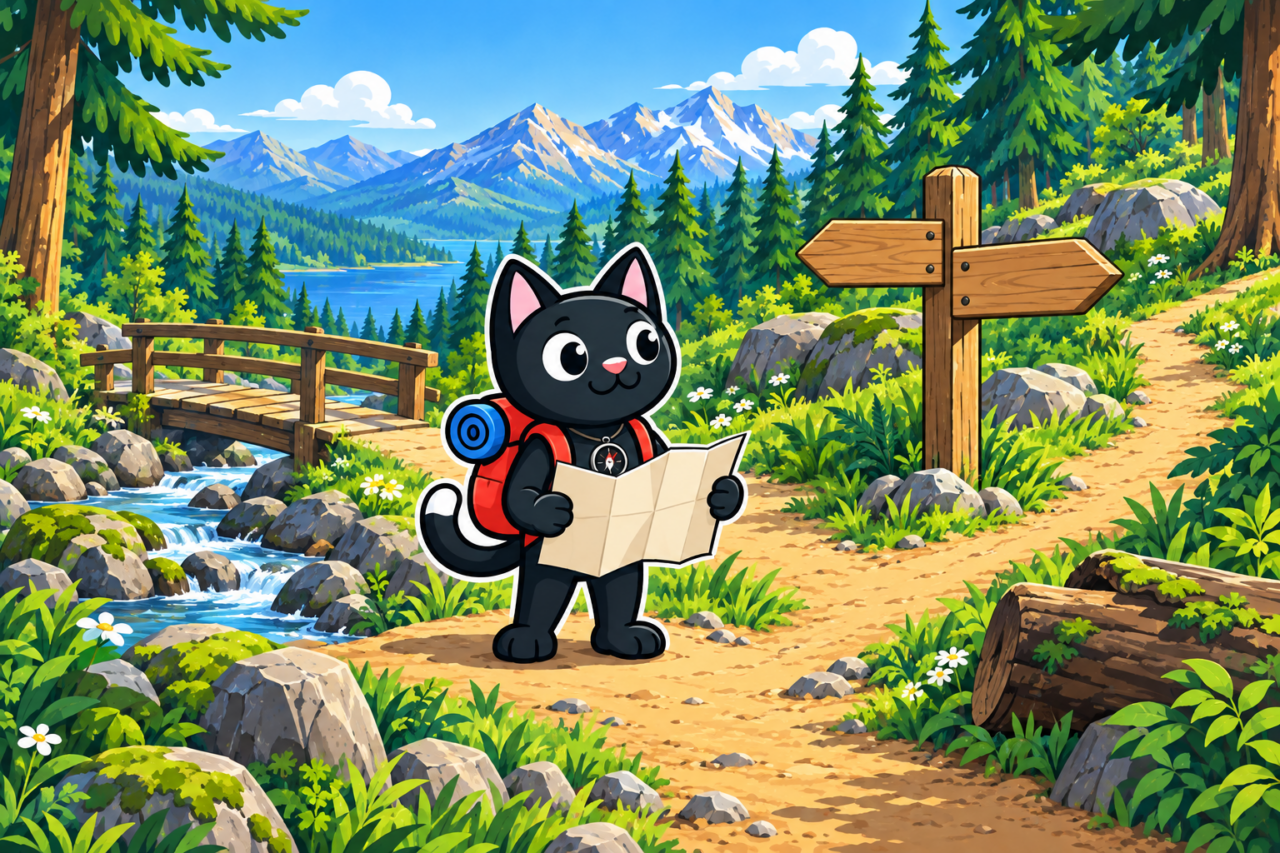
Before departure, locate roads, clearings, rivers, and nearby villages on the map. Mark trail crossings with forest roads, where it is easier to confirm your position. An old clearing may be overgrown, so compare map information with recent reports. If a clearly marked feature no longer exists on the ground, a nearby road may be a more reliable reference. Recorded village names help show where it leads.
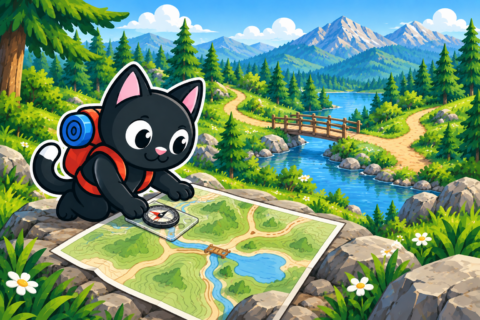
At a junction, establish the direction before continuing. Remember a bridge, bend, or stream crossing for the return. A single tree is easy to confuse with another, especially when approaching from the opposite side. Photograph the junction from the direction of your return, but keep the map close at hand.

If the trail disappears, stop and recall the last place where it was clear. A gap between trees or an animal track can look like a continuation. A straight line on a phone does not show fallen trees, marshes, or steep banks and does not guarantee a passage. Returning along known ground is more useful than forcing a new way through dense forest. Mark the point on the map before choosing what to do next.
Surface and pace
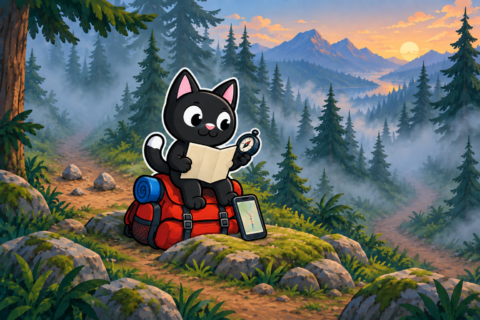
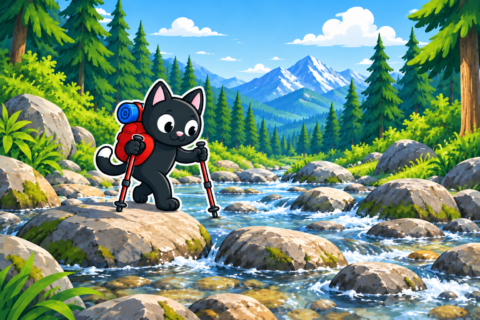
Roots and wooden walkways become slippery after rain, so slow down and put the phone away. Before crossing a fallen tree, look where your foot will land on the other side. Do not step blindly into long grass or gaps among branches. If leaves hide the landing place, stop and choose firm footing before stepping over.
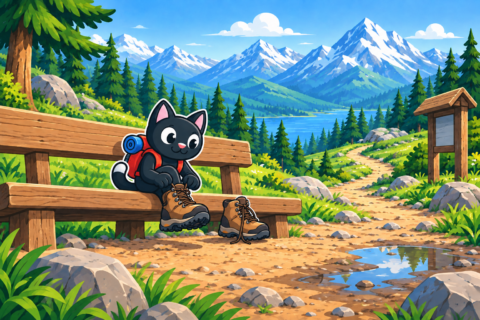
Use an existing bypass around an eroded section instead of creating a new one. If water blocks the way and no firm passage is visible, turn back and choose another route. A submerged walkway edge may be impossible to see, making secure footing difficult. Turning around protects both you and the ground surrounding the trail.
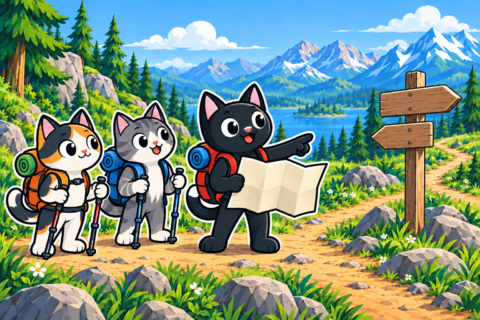
Stay close enough to see one another, especially near turns. Wait for everyone at a junction before choosing a branch. If someone falls behind, an agreed group search plan is better than people rushing off in different directions. Everyone should know their map position so the group can confirm the last known place after stopping. Discuss it together before anyone begins searching.
Breaks and wildlife
Use a permitted rest area beside the trail. Look up for broken branches or leaning damaged trees. People often inspect the ground but miss hazards above. In strong wind or when local warnings are in force, postpone the walk before you even need to choose a rest site.

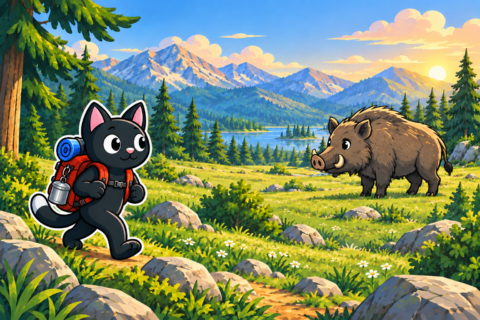
Watch animals from a distance, do not approach young, and leave no food. If you meet them directly on the trail, keep your distance and give them space. Check local rules before collecting mushrooms or berries. Never taste an unfamiliar species even if it resembles a plant you have seen before.
The way back
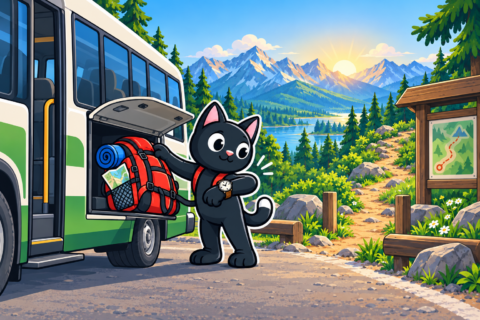
Keep consulting the map on the return because a familiar trail looks different from the other direction. At the road, confirm that you have reached the correct stop or parking area. A neighboring forest road may lead elsewhere despite looking similar at first. Discovering the mistake before the last bus leaves is much better.
What to keep at the top of your backpack
Carry a map, charged phone, light rain protection, insect repellent, and a small scratch-treatment kit where you can reach them without unpacking at every turn. A bright cover or whistle helps you signal after losing visual contact. Agree on the signal and response in advance so everyone knows what it means where trees quickly block the view.

After returning, check clothes and skin for ticks, shake out the backpack, and dry footwear. While details are fresh, mark the overgrown turn, damaged bridge, and actual time needed for a difficult section. These notes improve your next forest plan and help others who later follow the same route.