Reducing weight begins with analyzing the entire kit, not isolated small items. This guide explains what can be removed, replaced, or shared among participants.

Weigh the complete kit
Record every item together with its case and all components. Tent weight includes the fly, inner, poles, stakes, and guylines, while stove weight includes the fuel. A catalog figure may describe a reduced package that you will not carry in that form. Home scales give a more complete starting weight when all small parts are included.


Sort the list from heaviest to lightest and begin with the tent, sleeping bag, pad, backpack, and clothing. An unnecessary 400-gram sweater changes the total more than an expensive spoon replacement that saves ten grams. Seeing an item’s weight beside its purpose makes the choice clearer. Assess large items first and leave minor refinements until later.

Remove accidental extras
For each item, name a situation in which it will be useful on your route. A clean outfit for every day, a large toiletry bag, a heavy knife, and spare cookware sometimes enter the backpack out of habit. Trail clothing, weather layers, and a dry sleep set, by contrast, each perform distinct tasks. If you cannot identify a reason to carry something, reconsider its place before departure.

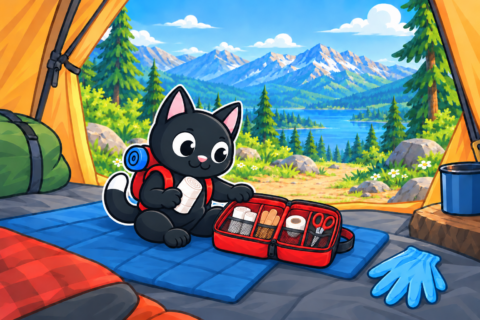
After the trip, note which items you used and under what conditions. A light, first aid kit, navigation, and emergency insulation may remain untouched while retaining their essential place. For everything else, consider what would have happened without it. One dry day does not make weather protection unnecessary for a different forecast.

Share group equipment
Create one group list and name the person responsible for every item. One repair kit suited to the whole setup is more useful than several random kits. A tent can be divided among participants if its components are labeled and reach camp together. Saving weight between packs does not pitch a shelter when the fly is already at camp and the poles are still far away.
Confirm the group composition again before departure. If the person carrying the pot or filter withdraws, assign the item to someone else. The trailhead is too late: by then the equipment may remain at home. Record the change on the shared list so the reassignment is clear to everyone.



Optimize food and packaging
Calculate food by meals and tested portions. Remove unnecessary boxes, transfer loose foods to durable labeled bags, and retain instructions and allergen information. Replace glass and heavy cans with lighter, safe packaging when the product allows. Labels make the right food easy to find in the evening without searching through similar bags.
Calculate water using confirmed sources, weather, and the length of dry sections. Cutting the supply at random to save weight is dangerous, especially if a planned stream has dried up. If the calculated starting weight is excessive, change the route or arrange a resupply. This lets you carry less only where the next water is genuinely available.

Buy only after analysis
A major replacement can reduce weight if the new item suits the temperature, volume, and rated load. Check tent dimensions, sleeping bag warmth, pad R-value, and backpack fit. Thin materials require more careful handling and may need repair. A lower scale reading matters only while the kit continues to work in the expected conditions.
Compare the price of each gram saved with the effect on safety. A durable, familiar item sometimes suits the route better than a new ultralight model. Before buying, inspect packaging and duplicates in the shared kit: weight may be removed there without replacing a proven item. Decide after analyzing the complete list.
Check the result
Pack the backpack with the food and water carried at the start, weigh it, and walk several kilometers. During the test, assess balance, access to essential items, and the condition of your shoulders. If the load remains excessive, shorten the self-supported section, choose an easier route, or divide shared equipment differently. These changes retain necessary items while reducing the burden on one person.
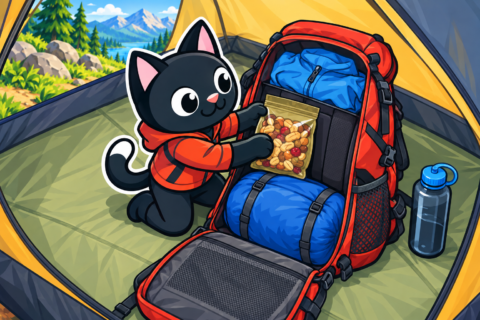
Lightness comes from clear decisions about every item. Each must have a task appropriate to the weather and route. After packing, check how much space it takes and whether it obstructs anything needed during the day. This view of the system helps assess total weight without arbitrary exclusions.
Change one thing at a time
After each outing, choose one significant adjustment: remove an unnecessary layer, change packaging, refine portions, or divide the tent differently. Changing the entire system at once makes evaluation difficult and increases the risk of error. With one changed element, its effect is easier to understand on the next route. Record the result before deciding whether to keep it.

Keep a list of final weights with short weather notes. After several hikes, you will see which choices suit your conditions. Gradual reduction preserves proven parts of the system without losing comfort or a safety margin. If two outings had different weather, the note beside each weight explains why the kits differed.
Ask an experienced companion to review the list with fresh eyes. They may notice duplicate items or a meal whose fuel was omitted. Consider the question, then compare the answer with your route and experience. The final decision remains yours because your own kit must suit the expected conditions.