Camping Spots offers several ways to combine walking, local sights, and practical travel. This guide explains how to choose a suitable plan and prepare for current conditions.
Managed Campsites
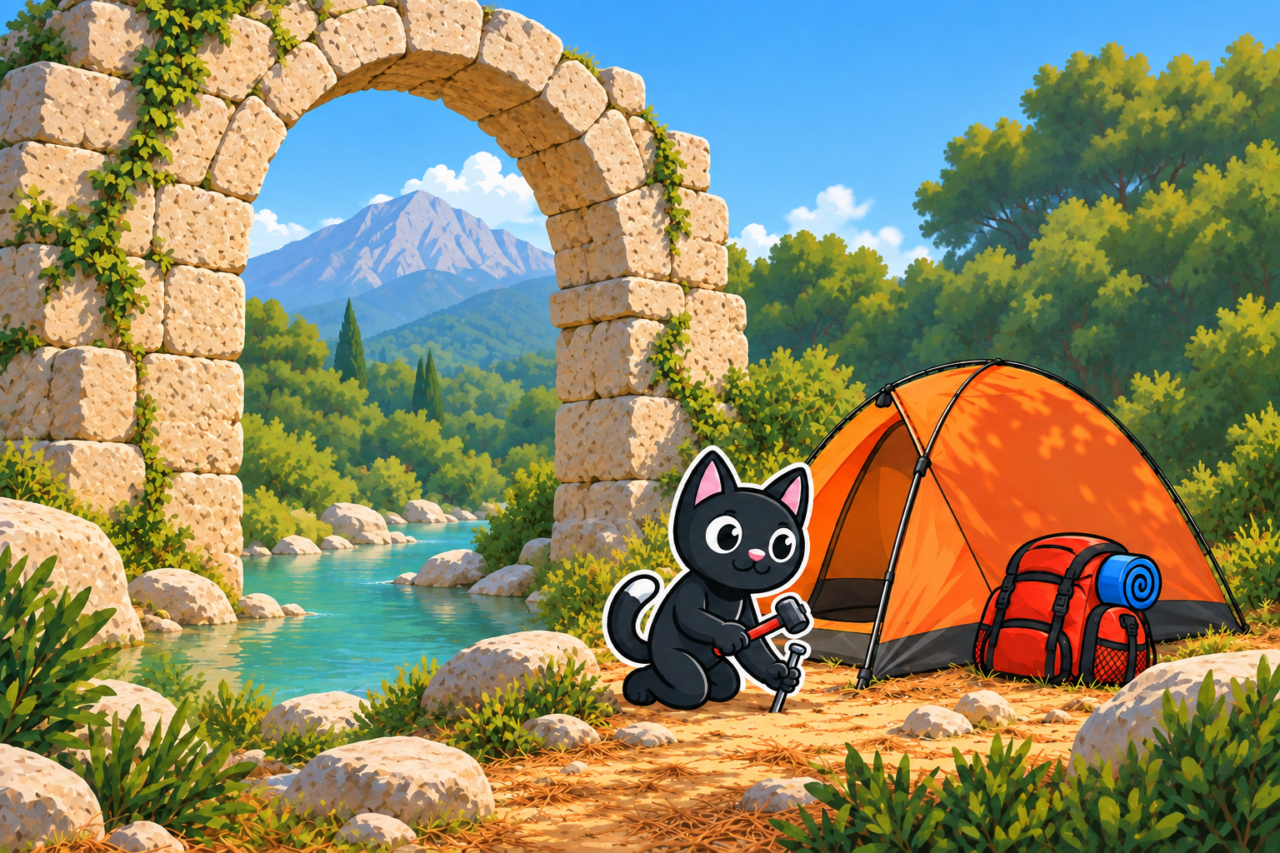
For managed campsites, use places where staying overnight is currently permitted. Confirm booking, water, and cooking rules, and make sure your shelter size fits the allocated pitch.
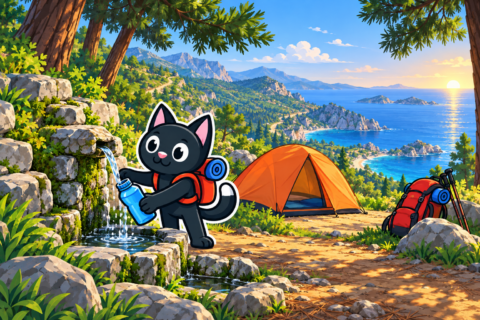

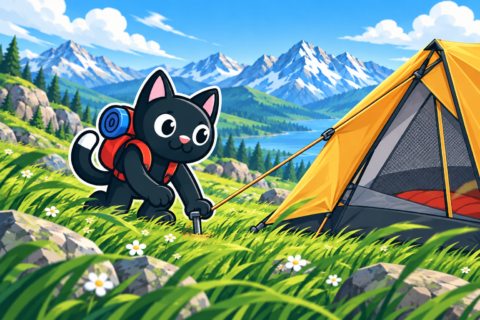
For managed campsites, use places where staying overnight is currently permitted. Confirm booking, water, ground conditions, and local fire rules before relying on a particular site.
Wild Camping
For wild camping, confirm permission before relying on an overnight stop.
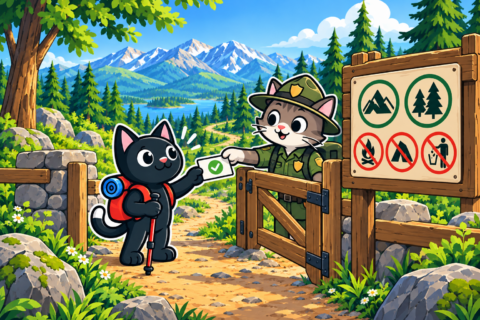
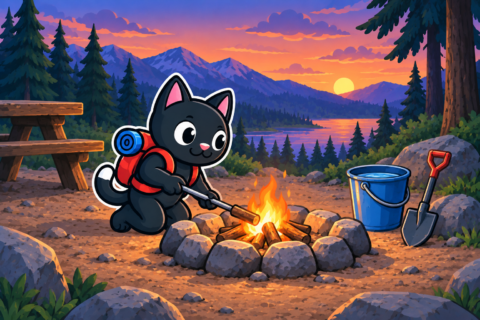
Choose durable ground away from channels, cliffs, and dead trees, and do not build a fire ring.

Water, Food, and Animals
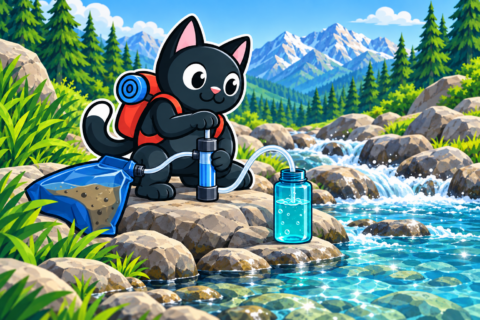
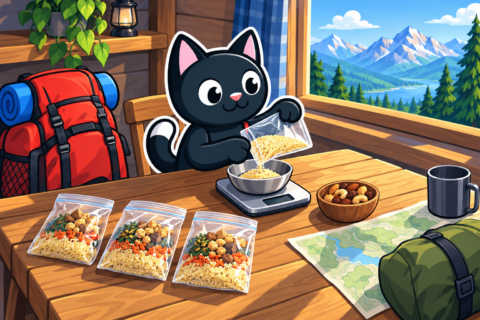
Treat natural water, store food securely, and give animals enough space.

Equipment for the Coast
- Use a well-ventilated tent with secure guy lines.
- Pack a light warm layer for cool nights.
- Carry insect protection and a waste bag.
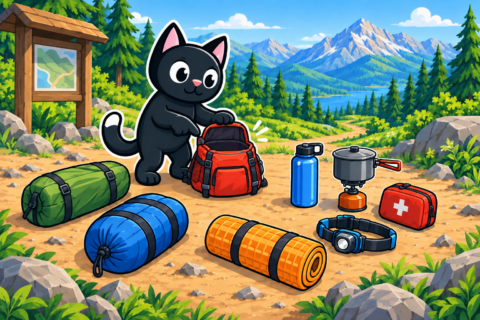
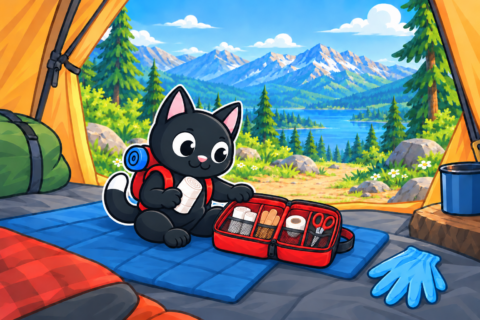
- Keep a headlamp, first-aid kit, and communication device accessible.
- Take enough water and a filter as backup.



Low-Impact Camping
For low-impact camping, use places where staying overnight is currently permitted. Confirm booking, water, ground conditions, and local fire rules before relying on a particular site.
Weather by the Sea
A night breeze can strengthen quickly, especially on exposed shingle above the surf line.

Check the forecast for the nearest valley and mountains, not only the beach.

Conditions in Camping Spots vary with season, heat, rain, and wind. Check an up-to-date forecast, start at a suitable hour, and shorten the route when the available daylight or weather changes.
Conditions in Camping Spots vary with season, heat, rain, and wind. Check an up-to-date forecast, start at a suitable hour, and shorten the route when the available daylight or weather changes.